What Are CPVC Fittings and How Are They Used?

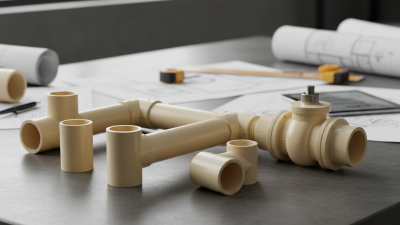
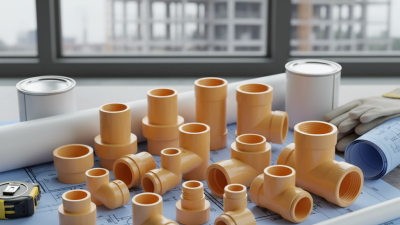
CPVC fittings connect CPVC pipes and help create reliable systems for hot and cold water distribution. They include elbows, tees, couplings, adapters, unions, and valves. Each shape serves a practical purpose. An elbow changes direction. A tee creates a branch. A coupling joins two straight pipe sections.

Unlike ordinary PVC, CPVC handles higher service temperatures. That makes it suitable for residential plumbing, commercial buildings, and selected industrial applications. Still, temperature resistance does not remove the need for careful installation. Pipe size, pressure ratings, support spacing, and chemical compatibility all matter. A fitting can look perfectly installed and still fail after repeated heating and cooling. Small details matter.

Andy Patel, a Corzan CPVC product expert at Lubrizol, describes the principle simply: “A fitting is only as reliable as the system around it.” This observation reflects real job-site experience. Clean, square cuts help create stronger solvent-cement joints. Correct primer and cement improve connection quality. Proper alignment reduces stress near the fitting. Installers must also follow local plumbing codes and the manufacturer’s instructions. Practices can vary by region and application.

This guide explains what CPVC fittings are, how they work, and where they are commonly used. It also considers their limits. CPVC is durable, but it is not indestructible. Poor storage, excessive force, incompatible chemicals, or rushed assembly can undermine performance. The most dependable result comes from matching the fitting to the pipe, the water conditions, and the project’s actual demands.
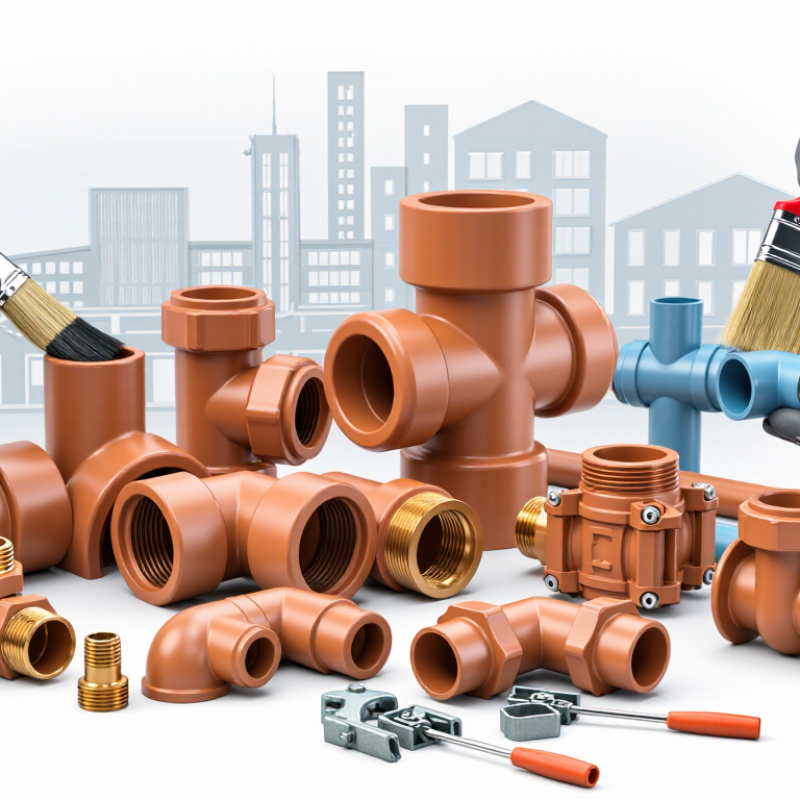
What Are CPVC Fittings and How Are They Used?

What CPVC Fittings Are and How They Differ from PVC Fittings

CPVC fittings are molded connectors made from chlorinated polyvinyl chloride. They join pipes at elbows, tees, couplings, adapters, and valves. PVC fittings use ordinary polyvinyl chloride, while CPVC contains extra chlorine in its structure. That chemical change improves heat resistance and alters installation requirements. They look similar. They are not twins.

PVC fittings are commonly selected for drainage, irrigation, and cold-water systems. CPVC fittings are often used for hot and cold potable water because they tolerate higher service temperatures. Exact limits depend on pipe size, pressure, fluid, and local codes. A fitting rated for cool water should not be assumed safe near a water heater. That matters.

In practical installation, CPVC and PVC fittings should not be mixed casually. Their solvent cements and approved primers may differ, and manufacturers can specify different preparation steps. Cutting should leave a square end, followed by deburring and dry fitting. I have found that a pipe entering too shallowly can look acceptable but create a weak joint. This is an easy mistake to overlook. Temperature, pressure, and chemical compatibility also deserve a written check before assembly. Experienced installers still need to pause here, because similar colors and shapes encourage incorrect substitutions. Freshly cemented joints should remain undisturbed for the required curing period, especially in cool or damp conditions.

Key Materials, Shapes, Sizes, and Connection Types of CPVC Fittings

CPVC fittings are molded from chlorinated polyvinyl chloride, a thermoplastic designed for hot and cold water service. Added chlorine improves heat resistance and chemical stability compared with ordinary PVC. The Plastics Pipe Institute reports that CPVC pressure piping can support service temperatures near 200°F (93°C), but the rating depends on pressure, size, and installation conditions. This limit is often misunderstood.

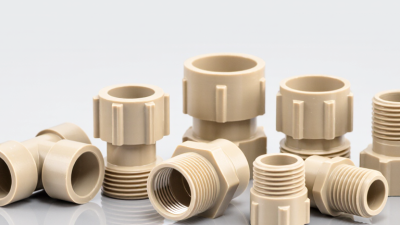
Common shapes include elbows, tees, couplings, reducers, adapters, unions, and end caps. Elbows redirect flow through 45 or 90 degrees, while tees create branch lines. Reducers connect different diameters, such as 1 inch to ¾ inch. Residential systems frequently use nominal sizes from ½ inch to 2 inches, although larger sizes appear in commercial work. ASTM F441 and ASTM F442 define key dimensional and performance requirements for CPVC pipe systems, including pressure-rated schedules and outside diameters.

Connection type affects reliability. Solvent cement joints use a compatible primer and cement to form a chemically bonded connection. Threaded adapters connect CPVC to metal valves or equipment, but excessive tightening can damage plastic threads. Flanged fittings help where maintenance access matters. A practical installer checks pipe cleanliness, insertion depth, cure time, and temperature before pressurizing the line. Small details matter. Field conditions can be less perfect than laboratory tests, so installation records and pressure testing should not be treated as optional. Even accurate sizing can fail when supports, alignment, or curing time are neglected.

How CPVC Fittings Are Joined and Installed in Piping Systems

CPVC fittings connect pipes, valves, and equipment in hot- and cold-water systems. They are made from chlorinated polyvinyl chloride, which resists corrosion and many household chemicals. Elbows redirect flow, tees create branches, and adapters connect CPVC to threaded components. ASTM D2846 identifies a common CPVC tubing system with a 180°F reference temperature and a 100 psi pressure rating. Actual ratings still depend on size, temperature, and system design.

Proper joining begins with a square cut. Remove burrs from the pipe edge. Keep both surfaces clean and dry. A primer may be required by local codes or the cement system. Apply approved CPVC solvent cement evenly to the pipe and fitting socket. Push the pipe fully home, then rotate it about one-quarter turn. Hold it briefly. That small pause matters. Gaps or twisting during curing can create hidden leaks.

Cure time depends on pipe diameter, temperature, humidity, and interference fit. ASTM F493 covers solvent cements for CPVC piping, but installers must follow the cement manufacturer’s tested schedule. Larger joints need more time. Field inspections often find pressure applied too soon. Do not guess. After curing, perform a controlled hydrostatic test according to applicable plumbing codes; compressed-air testing can be hazardous. Support long runs, protect fittings from impact, and allow thermal movement. The installation may look simple, but surface preparation remains the weak point.

Common Plumbing and Industrial Applications of CPVC Fittings

What Are CPVC Fittings and How Are They Used?

Common Plumbing and Industrial Applications of CPVC Fittings

CPVC fittings connect chlorinated polyvinyl chloride pipes in hot and cold water systems. They include elbows, tees, couplings, adapters, and threaded connections. In residential plumbing, these fittings route water around walls, tanks, and heaters. Their smooth interior helps reduce friction and supports steady flow.

CPVC also serves many industrial applications. Facilities may use it for treated water, chemical handling, cooling lines, and corrosive process fluids. It resists many chemicals better than ordinary metal fittings. However, compatibility must be checked carefully. A fluid that seems harmless may weaken a fitting over time. Temperature ratings matter, especially near boilers and hot-water equipment. Installers should follow approved joining procedures, allow for thermal movement, and support long pipe runs correctly.

Tips: Clean and dry each joint before applying solvent cement. Avoid forcing threaded connections, since excessive pressure can crack the fitting. Check alignment before the cement sets. One detail is easy to miss: CPVC expands more than metal when heated. Leave suitable movement space and use proper supports. Field inspections often find small alignment errors that later cause stress. Even experienced installers can overlook them. That is why pressure testing, visual checks, and documented material compatibility remain essential. Local plumbing requirements and the fitting manufacturer’s instructions should guide every installation.

Common CPVC Fitting Applications by Reference Temperature

CPVC fittings are commonly used in potable water, hot-water distribution, hydronic heating, and selected industrial process systems. The chart compares representative fluid or system temperatures with CPVC’s commonly cited continuous service limit of 200°F (93°C). Actual limits depend on pressure, fitting design, installation standards, and the approved piping system.

Safety, Maintenance, and Selection Considerations for CPVC Fittings

CPVC fittings connect CPVC pipes in hot-water, cold-water, and selected industrial systems. They include elbows, tees, couplings, adapters, and valves. Their corrosion resistance makes them useful where metal fittings may deteriorate. However, CPVC is not suitable for every fluid, temperature, or pressure condition. Always check the system specification and local plumbing requirements before installation.

Safety starts with correct sizing and compatible materials. Inspect each fitting for cracks, distortion, or damaged sockets. Use the recommended primer and solvent cement, then allow the joint to cure for the stated time. Poorly prepared surfaces can create leaks behind walls. That mistake is expensive. During maintenance, look for staining, soft joints, unusual movement, or reduced water flow. Do not overtighten threaded connections, because excessive force can damage plastic threads. A pressure test should follow the applicable installation standard.

Tips: Store fittings away from direct sunlight and extreme heat. Keep sockets clean and dry before joining. Select fittings by diameter, pressure rating, temperature range, and connection type. Confirm chemical compatibility when transporting treated or industrial fluids. Support long pipe runs, but allow reasonable movement from thermal expansion. In practice, installers sometimes focus on fitting size and overlook support spacing. That deserves a second look. When uncertain, consult a qualified professional and retain the product documentation for future repairs.

What Are CPVC Fittings and How Are They Used? - Safety, Maintenance, and Selection Considerations for CPVC Fittings

Data Dimension Typical CPVC Fitting Information Safety or Maintenance Consideration Selection or Installation Guidance
Material Chlorinated polyvinyl chloride, a thermoplastic produced by adding chlorine to PVC resin. The material is nonmetallic and does not rust, but it can be damaged by impact, excessive heat, incompatible chemicals, or prolonged ultraviolet exposure. Confirm that the fitting material is approved for the intended fluid, temperature, pressure, and installation environment.
Primary Function Connects CPVC pipe sections and changes flow direction, pipe size, or flow path. Poorly aligned or unsupported fittings can place stress on joints and may lead to leakage. Use fittings that match the pipe system’s nominal size and dimensional standard.
Common Fitting Types Couplings, elbows, tees, reducers, adapters, unions, caps, plugs, and valves. Each fitting should be used only for its intended connection method and pressure class. Choose elbows for directional changes, tees for branches, reducers for size transitions, and unions where future disassembly may be needed.
Typical Applications Hot- and cold-water distribution, process-water piping, and selected industrial fluid systems. Not every CPVC formulation is suitable for every chemical, fuel, compressed gas, or high-temperature service. Check applicable plumbing, mechanical, fire-protection, or industrial requirements before use.
Temperature Capability Many CPVC hot-water systems are designed for service temperatures up to approximately 93°C (200°F), but the exact limit depends on the product and standard. Allowable pressure generally decreases as operating temperature increases. Use the manufacturer’s temperature-pressure rating rather than relying on a general CPVC value.
Pressure Rating Pressure capacity varies with nominal size, wall thickness, temperature, material formulation, and applicable standard. Exceeding the rated pressure can cause joint failure, cracking, or sudden release of water. Select fittings with a pressure rating equal to or greater than the system design pressure at the actual operating temperature.
Connection Method Most CPVC socket fittings are joined by solvent cement designed specifically for CPVC. Solvent cement vapors may be flammable and irritating. Use ventilation, gloves, and eye protection, and keep ignition sources away. Cut squarely, deburr and clean the pipe, apply compatible primer or cement when required, and follow the specified cure time.
Threaded Connections Threaded CPVC or transition fittings can connect to other components when the fitting is designed for that purpose. Over-tightening can split plastic threads or create stress concentrations. Prefer a CPVC-to-metal transition fitting for metal connections and tighten only according to the installation instructions.
Dimensional Compatibility CPVC systems may use different dimensional standards, including copper tube size or other specified pipe dimensions. Fittings that look similar may not create a proper solvent-weld or mechanical connection if dimensions do not match. Match the fitting to the pipe standard, nominal size, schedule or SDR designation, and joining system.
Chemical Compatibility CPVC resists many household and industrial chemicals, but resistance depends on concentration, temperature, exposure time, and stress. Some solvents, oils, fuels, sealants, and cleaning chemicals may soften or weaken CPVC. Review a chemical-resistance chart and obtain application approval before conveying unfamiliar fluids.
UV Exposure Continuous direct sunlight can degrade exposed CPVC surfaces over time. Surface discoloration, chalking, or brittleness may indicate weathering, although appearance alone does not determine remaining strength. Protect outdoor installations with an approved covering or coating and follow local installation requirements.
Thermal Expansion CPVC expands and contracts more with temperature change than many metal piping materials. Long straight runs may bow, pull on fittings, or transmit stress if movement is restricted. Allow for movement with suitable supports, offsets, loops, or expansion provisions where required.
Support and Alignment Pipe and fittings require supports appropriate to pipe size, temperature, layout, and local code. Do not use fittings to compensate for forced misalignment or to carry unintended structural loads. Keep joints aligned, avoid sharp bending, and use support spacing specified for the particular system.
Inspection Inspect accessible joints, threaded areas, valves, and transition points periodically. Look for dampness, staining, cracking, distortion, unusual movement, or signs of chemical exposure. Investigate leaks promptly and replace damaged fittings rather than attempting unapproved repairs.
Pressure Testing New installations are commonly tested before being placed into service, using the method allowed by the governing code and system instructions. Testing with compressed air or gas can present greater stored-energy hazards than water testing. Use the approved test medium, pressure, duration, and safety controls for the specific application.
Fire and Heat Safety CPVC is not intended to be exposed to open flame, torch heat, or temperatures above its rated service limit. Excessive heat can deform fittings and reduce pressure capability. Keep fittings away from hot surfaces and use approved methods when working near heat-producing equipment.
Best Selection Checklist The correct fitting is determined by material, size, dimensional standard, connection type, pressure, temperature, and fluid service. A fitting that satisfies only the size requirement may still be unsafe for the operating conditions. Verify certification or code acceptance, compatibility documentation, installation instructions, and project specifications before purchase and installation.
top