Discover the Best CPVC Fittings for Global Sourcing Needs?
In the realm of plumbing and construction, finding quality CPVC fittings is paramount for global sourcing. Industry expert Michael Anderson emphasizes, "Choosing the right CPVC fittings ensures durability and efficient workflows." This highlights the critical role these fittings play in various applications.
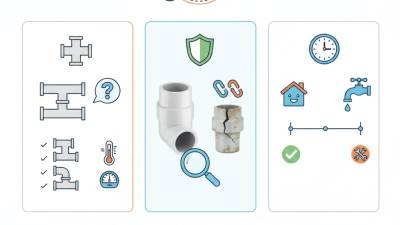
CPVC fittings are known for their resistance to corrosion and high-temperature capabilities. However, not all products are created equal. Sourcing from reputable manufacturers is essential to guarantee product integrity. Global buyers must be cautious; low-quality fittings can lead to costly failures.
In the world of CPVC fittings, the quest for reliability is ongoing. Buyers often report challenges in identifying trustworthy suppliers. The need for a thorough evaluation process cannot be overstated. Ultimately, understanding the market landscape is key to making informed choices.
Overview of CPVC Fittings Used in Global Sourcing
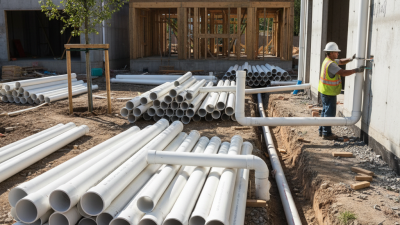
CPVC fittings have gained popularity in various industries, especially in plumbing and industrial applications. They are known for their resilience against corrosion, high temperatures, and environmental stress. This makes them suitable for both residential and commercial use. Professionals often prefer CPVC due to its ease of installation and long lifespan.
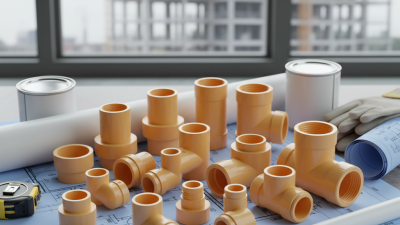
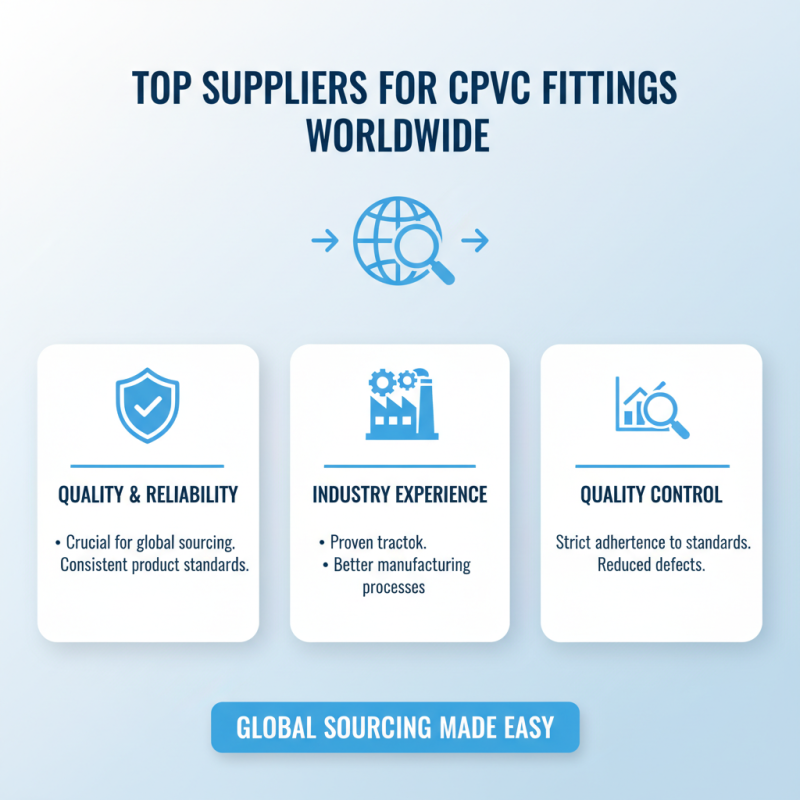
In global sourcing, quality and reliability are paramount. Many suppliers offer different types of CPVC fittings, such as elbows, tees, and couplings. Understanding the specifications is crucial. Sourcing the right fittings can sometimes feel overwhelming. Not all suppliers meet the same quality standards, leading to potential issues. Buyers should also consider factors like compliance with international standards.
Despite its advantages, challenges do arise. Sourcing from different regions can lead to inconsistencies in material quality. Variations between manufacturers may affect performance. It is vital for sourcing teams to carry out due diligence. Collecting samples and conducting tests can help ensure quality. Reflecting on past experiences can inform better sourcing decisions. Choosing the right fittings requires careful evaluation and a reliable supply chain.
Key Features and Benefits of CPVC Fittings
CPVC fittings are gaining traction due to their unique features and benefits. One significant advantage is their resistance to corrosion. According to a report by the Plastics Pipe Institute, CPVC can endure a wide range of chemicals without degrading over time. This makes them ideal for various industrial applications.
Another key benefit is their thermal stability. CPVC fittings can handle temperatures up to 200°F, making them suitable for hot water distribution systems. The National Fire Protection Association highlights that this characteristic helps in reducing energy loss, promoting efficiency.
Despite these advantages, it's important to note that installation requires expertise. Improper fitting connections can lead to leaks or failures. Therefore, leveraging professional knowledge in sourcing is crucial. While CPVC fittings offer many benefits, it's vital to carefully consider your specific needs and application requirements.
Global Sourcing Needs for CPVC Fittings
This chart depicts the global demand for various sizes of CPVC fittings based on the units sold. There is a notable trend where smaller sizes are more in demand compared to larger sizes, reflecting the preferences in sourcing requirements.
Best Practices for Selecting CPVC Fittings for Projects
When selecting CPVC fittings for projects, understanding the specific requirements is crucial. Consider the application first. Different environments demand varying levels of pressure and temperature resistance. For instance, a residential plumbing system may not face the same challenges as industrial or commercial installations. Take time to assess the environmental factors.
Next, ensure that the fittings meet industry standards. Compliance with relevant quality certifications adds an extra layer of reliability. Some fittings may look similar but can vary greatly in performance. A thorough inspection of material specifications is necessary. Always check for compatibility with existing systems to avoid costly failures.
While choosing fittings, revisiting previous projects for insights can be helpful. Reflecting on past experiences sheds light on what worked and what didn’t. Gathering feedback from installation teams also provides valuable perspectives. The selection process is not just technical; it should incorporate practical insights from real-world applications. Remember, the choices made today can significantly impact future projects.