How to Choose the Right PVC Pipe for Your Project?
Choosing the right PVC pipe can be challenging. With various sizes, types, and applications available, it's crucial to make an informed decision. Leading expert in the plumbing industry, John Smith, once stated, “Understanding the specific needs of your project is key to selecting the right 1 PVC pipe.” This wisdom highlights the importance of research before making a purchase.
When considering your project, think about the environment where the pipe will be used. Will it handle hot water? Or is it for drainage? Each application requires a different type of 1 PVC pipe. Additionally, proper sizing is essential to ensure efficiency and avoid costly mistakes. A wrong choice may lead to leaks or bursts, which are both inconvenient and expensive.
Many people overlook the significance of pipe durability. However, the right PVC pipe should withstand pressure and resist corrosion. This can prevent potential long-term issues. Take time to reflect on your project's unique requirements. Doing so can save both time and money. Don't rush this vital decision-making process.

Understanding PVC Pipe Types and Their Applications
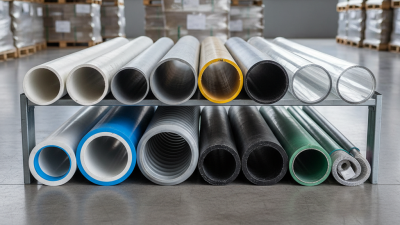
Understanding the various types of PVC pipes is essential for any project. Different applications require different PVC specifications. For drainage systems, Schedule 40 PVC pipes are often preferred due to their durability. These pipes can handle both pressure and gravity flow effectively. In contrast, Schedule 80 pipes feature a thicker wall. They are perfect for more demanding industrial applications. Choosing the right type can significantly impact your project's success.
Another type worth mentioning is Cellular Core PVC. These lightweight pipes are ideal for cold applications. They help reduce transportation costs and are easier to install. However, some may find them less durable than solid core alternatives. It's essential to evaluate the specific needs of your project before making a choice.
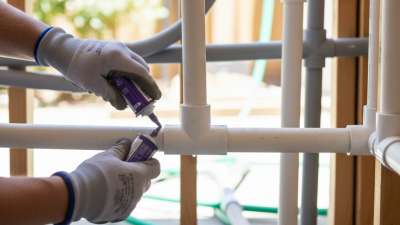
Also, remember to consider the fittings. Each PVC type has compatible fittings that ensure a proper seal. Improper fittings may lead to leaks and future problems. Taking time to assess your options will pay off. It’s okay to feel uncertain; everyone has been there. Experimenting with various types can increase your confidence over time.
Key Considerations for PVC Pipe Durability and Pressure Ratings
Choosing the right PVC pipe requires a focus on durability and pressure ratings. PVC pipes are widely used due to their resistance to corrosion and low maintenance needs. However, not all PVC pipes are created equal. Each type has specific applications based on its pressure rating.
Understanding pressure ratings is essential when selecting PVC pipes. The pressure rating indicates how much internal pressure the pipe can withstand. Higher pressure ratings suit demanding applications, like irrigation or water supply systems. If the pressure exceeds the pipe's limits, it can lead to failure, causing costly repairs. An inadequately rated pipe will not last long in high-pressure environments.
Durability is another critical factor. Various additives enhance the strength of PVC pipes. For instance, some have improved impact resistance, making them suitable for harsh environments. Nonetheless, users must be aware that pipes exposed to extreme temperatures may degrade more quickly. Evaluate the long-term conditions your project may face. Inadequate assessment can lead to project delays and increased expenses.
Selecting the Right PVC Pipe Size for Optimal Flow Efficiency
Selecting the right size of PVC pipe is crucial for any project involving plumbing or drainage. Optimal flow efficiency can greatly influence the performance of your system. According to the American Society of Civil Engineers, improper sizing can lead to increased pressure loss and reduced water delivery rates. Different applications require specific sizes, and oversizing or undersizing the pipe can lead to inefficiencies.
For example, a too-large pipe can cause water to flow slowly, leading to sediment buildup. Conversely, a pipe that's too small can restrict flow, increasing pressure and risk of bursting. Industry standards, such as those from ASTM International, recommend specific dimensions for various applications. Following these guidelines can enhance your system's reliability and efficiency.
Choosing the right size may seem simple, but it often presents challenges. Users frequently overlook factors such as pipe length and elevation changes. These can drastically affect flow rates. Additionally, temperature fluctuations and the type of liquids being transported must be considered. Understanding the nuances of these factors is essential in achieving the desired efficiency and longevity of your plumbing system. Knowledge of the material's characteristics and flow capabilities enables better decisions.
Choosing the Right PVC Pipe Size for Optimal Flow Efficiency
This chart illustrates the flow rates in gallons per minute (GPM) for various sizes of PVC pipes, enabling you to choose the right size for optimal efficiency based on your project needs.
Assessing Environmental Factors Affecting PVC Pipe Performance
When selecting PVC pipes, understanding environmental factors is crucial. Temperature extremes can significantly impact the durability and performance of PVC. The material can become brittle in cold temperatures and soften under intense heat. According to the American Society for Testing and Materials (ASTM), PVC begins to lose structural integrity at temperatures above 140°F (60°C). It’s essential to evaluate the temperature ranges your project will face.
Exposure to UV light is another factor. Extended sunlight can degrade PVC over time, leading to cracks and leaks. An industry report from the Plastics Pipe Institute states that appropriate UV stabilizers can enhance the lifespan of PVC pipes, yet many users overlook this requirement. Ignoring UV effects can lead to costly repairs and replacements.
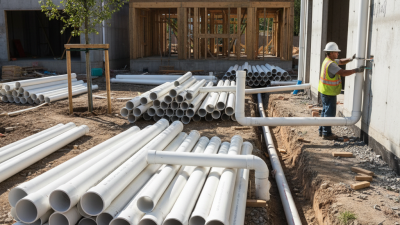
Additionally, soil conditions play a role in PVC performance. Poor drainage can lead to corrosion of pipe connectors and joints. The National Association of Home Builders notes that 10% of plumbing failures result from improper soil contact. Assessing soil compatibility and drainage before installation is vital to ensure long-term effectiveness. Ultimately, considering these environmental factors will contribute to the selection of the most suitable PVC pipe for any project.
Evaluating Cost-Effectiveness and Lifespan of PVC Pipe Options
When evaluating the cost-effectiveness and lifespan of PVC pipes, several factors come into play. The upfront cost of PVC tubing varies based on diameter and thickness. Thicker pipes generally cost more but often last longer. Consider the installation costs too. If pipes are difficult to install, overall expenses can increase. Balanced against longevity, this initial price warrants consideration.
Lifespan is a critical factor in selecting PVC options. Many PVC pipes can last up to 50 years with proper installation and maintenance. This durability often justifies their higher cost over cheaper alternatives. However, not all PVC pipes are created equal. Variability in standards and manufacturing quality exists. Research local suppliers to ensure you choose reputable sources. Comparing warranties is also crucial. Some warranties indicate confidence in product quality.
Think about system demands. High-pressure applications may require specific PVC grades for safety. Choosing the wrong type might lead to failure and costly damage. Ensure you’re informed about regulations in your area. Misjudgments can lead to non-compliance, resulting in unnecessary expenses. Scrutinize your choices carefully, weighing costs against expected durability. You may find that the best option isn’t always the most affordable one upfront.