What is 4 PVC Pipe and Its Uses in Global Procurement?
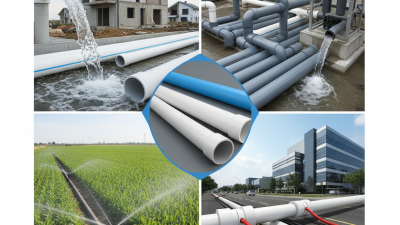
In the global procurement arena, the 4 PVC pipe stands out as a versatile and essential material. Known for its durability and cost-effectiveness, it serves a myriad of applications across various industries. From plumbing systems to construction projects, its reliability makes it a popular choice. However, challenges exist in sourcing quality products. Buyers must navigate a landscape filled with varying standards and suppliers.
Understanding the specific uses of the 4 PVC pipe is critical for procurement professionals. Its lightweight nature makes it easy to transport. Yet, this same quality can sometimes lead to misconceptions about its sturdiness. Ensuring proper usage requires both knowledge and experience.
The global market for 4 PVC pipe is expanding rapidly. The demand for efficient plumbing solutions drives this growth. However, despite its popularity, not all products are created equal. Therefore, making informed decisions is paramount. Buyers must evaluate suppliers closely to avoid subpar materials. This diligence fosters long-term reliability and quality in procurement practices.
What is 4 PVC Pipe? An Overview of Specifications and Standards
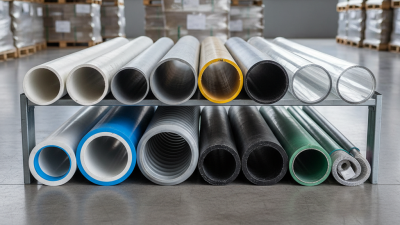
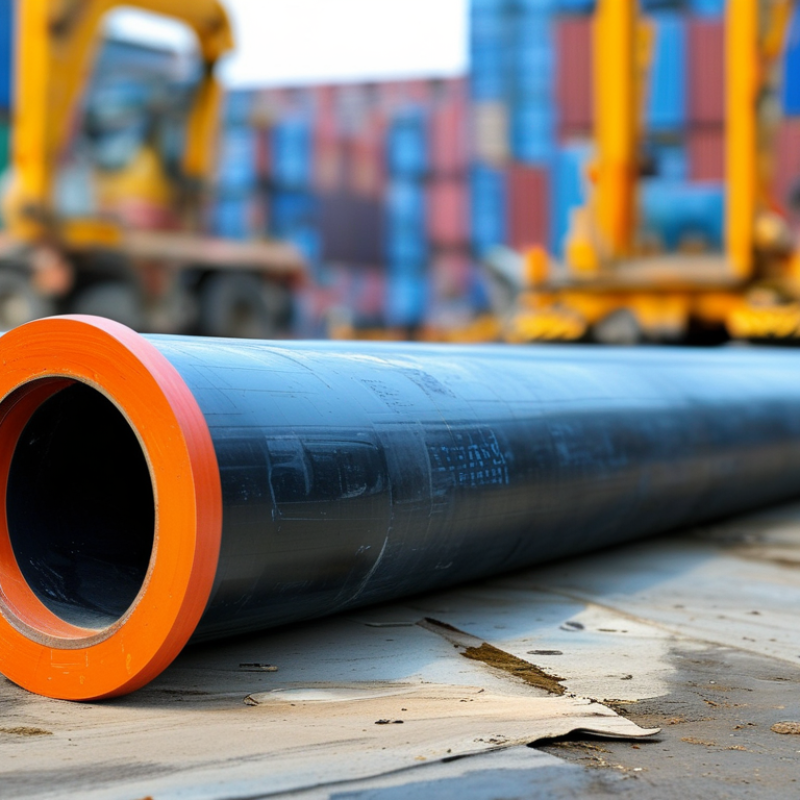
4 PVC pipe is a type of plastic piping commonly used in various construction and plumbing applications. It is known for its durability and resistance to chemicals. The specifications for 4 PVC pipe are outlined by industry standards, ensuring consistency in dimensions and performance. Typically, the outer diameter measures 4 inches, with a wall thickness varying based on pressure ratings.
The classifications for PVC pipes include SDR (Standard Dimension Ratio) ratings, which determine their ability to withstand pressure. For instance, an SDR of 21 indicates a thinner wall suitable for low-pressure applications. In contrast, SDR 11 is used for higher pressure needs. These specifications are crucial for procurement teams managing global supply chains.
Despite its great utility, the selection process for PVC pipe can be tricky. Not all manufacturers adhere to the same quality standards. Additionally, regional regulations may also vary, complicating procurement efforts. It is essential to check certifications and test reports to ensure compliance. This way, projects can avoid potential failures due to inferior products. Quality assurance remains a critical component in purchasing decisions.
Global Market Demand for 4 PVC Pipe: Current Trends and Projections
The global demand for 4 PVC pipe has been increasing significantly. This type of piping is widely used in construction and plumbing. Its durability and low cost make it a preferred choice for many projects. Recent trends highlight growth in residential and commercial applications. Regulations around water safety and environmental standards also drive the demand.
Market projections show a steady rise in usage over the next few years. Industries are adapting to new technologies and materials that enhance PVC pipe quality. However, some challenges remain. Concerns about sustainability and recycling are crucial for future growth. Companies must navigate these issues while meeting demand.
Understanding regional variations in market demand is essential. Different areas may prioritize PVC for specific applications. Factors such as climate and infrastructure needs impact usage. Engaging with local suppliers can provide insights into these trends. Collecting data from various regions helps formulate better procurement strategies.
Key Industries Utilizing 4 PVC Pipe: Construction, Manufacturing, and Beyond
4 PVC pipe plays a crucial role in various industries, particularly construction and manufacturing. This pipe is lightweight yet durable, making it an ideal choice for plumbing, electrical conduits, and drainage systems. According to a MarketsandMarkets report, the global PVC market is expected to reach USD 74.7 billion by 2025, indicating strong demand across sectors.
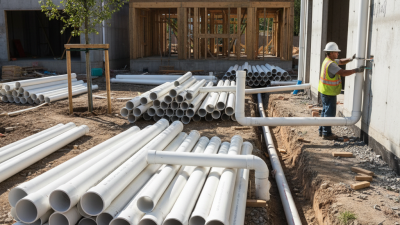
The construction industry is a significant consumer of 4 PVC pipe. It accounts for nearly 35% of PVC usage. Builders and architects appreciate its corrosion resistance and longevity. In fact, a study by IBISWorld showed that PVC pipe manufacturing in the U.S. generates about USD 10 billion annually. This figure reflects the material's widespread acceptance and crucial role in modern construction practices.
Manufacturing sectors also heavily depend on 4 PVC pipe. It is used in various applications like hydraulic systems and packaging materials. However, industries face challenges related to supply chain disruptions. These can impact availability and costs. Companies need robust procurement strategies to navigate these issues effectively. Achieving a balance between cost and quality remains a critical consideration for many buyers.
What is 4 PVC Pipe and Its Uses in Global Procurement? - Key Industries Utilizing 4 PVC Pipe: Construction, Manufacturing, and Beyond
| Industry |
Primary Use of 4 PVC Pipe |
Benefits |
Typical Applications |
| Construction |
Water and sewage piping |
Durability and corrosion resistance |
Drainage systems, plumbing projects |
| Manufacturing |
Conveyor systems |
Lightweight and easy to handle |
Material handling, storage solutions |
| Agriculture |
Irrigation systems |
Flexible installation |
Drip irrigation, water supply |
| Electrical |
Cable conduits |
Non-conductive and safe |
Electrical installations, home wiring |
| HVAC |
Ventilation systems |
Thermal efficiency |
Ducting, exhaust systems |
Sourcing Strategies for 4 PVC Pipe in Global Procurement Practices
In global procurement, sourcing strategies for 4 PVC pipe require careful consideration. These pipes are essential in various industries, including construction, plumbing, and electrical applications. Their durability and resistance to corrosion make them a preferred choice. However, buyers need to assess the quality of the products they source.
Understanding local suppliers and manufacturing capabilities is crucial. While large-scale manufacturers may offer lower prices, smaller regional suppliers can provide higher quality and better customer service. It’s important to evaluate each supplier’s track record. Do they meet delivery schedules? How consistent is their product quality? These questions require attention.
Price is an essential factor, but not the only one. A lower cost may lead to compromised quality. Establishing long-term relationships with reliable suppliers aids in improving procurement success. It fosters trust and better communication. However, neglecting to diversify your supplier base can be a pitfall. Relying on a single supplier may lead to vulnerabilities in your supply chain.
Sustainability Considerations in the Production of 4 PVC Pipe
Sustainability in the production of 4 PVC pipe is a critical aspect of global procurement. The manufacturing process often involves high energy consumption and greenhouse gas emissions. Consequently, companies face pressure to reduce their environmental footprint. Many manufacturers are exploring innovative approaches to enhance sustainability. Recycled materials are one promising solution. These materials can lower resource extraction and minimize waste.
Yet, the use of recycled PVC presents challenges. Contaminants within recycled materials can affect pipe quality. Developing effective recycling technologies is essential to address this issue. Additionally, considering the entire lifecycle is important. From production to disposal, each stage impacts the environment. This perspective helps companies evaluate their practices.
Some manufacturers are adopting more stringent standards. These standards aim to reduce harmful chemicals in production. This shift reflects greater awareness of environmental responsibilities. However, enforcement can be inconsistent. Ensuring compliance across borders is difficult. As sustainability becomes increasingly important, ongoing improvements are necessary. The industry must embrace transparency and accountability to truly advance.