2026 How to Use 6 PVC Pipe for Your DIY Projects?
When it comes to DIY projects, using the right materials is crucial. One often overlooked yet extremely versatile option is the 6 PVC pipe. Mark Thompson, a renowned expert in home improvement, once said, "The 6 PVC pipe opens up endless possibilities for creative DIY enthusiasts." This pipe is not just for plumbing; it can be transformed into furniture, planters, and much more.
The lightweight and durable nature of 6 PVC pipe makes it an ideal choice for various projects. It is easy to cut, connect, and adapt. Yet, many enthusiasts struggle with innovative ideas. Creativity can sometimes falter, leading to missed opportunities. Embracing simple designs can often yield the best results. For instance, a DIY garden trellis can be made with a few joints and sections of pipe.
Moreover, while projects involving 6 PVC pipe are generally straightforward, there can be challenges. Ensuring proper measurements and clean cuts is vital. It’s easy to make minor errors that can affect stability. Therefore, careful planning and attention to detail are key to achieving a polished final product.
Understanding the Basics of PVC Pipe: Types and Sizes
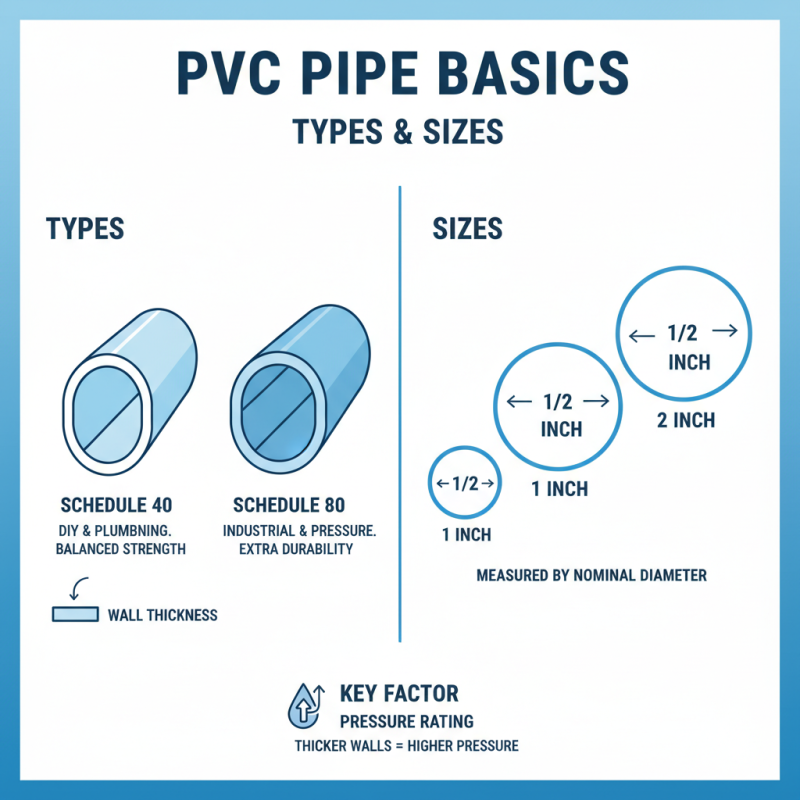
When working with PVC pipe, understanding the various types and sizes is crucial. PVC, or polyvinyl chloride, comes in different schedules. These schedules indicate the pipe's thickness and pressure rating. Schedule 40 is commonly used in DIY activities, offering a balance of strength and weight. Schedule 80 is thicker, suitable for high-pressure applications. The choice depends on your project's needs.
PVC pipes also vary in diameter. Common sizes range from half an inch to six inches. Smaller diameters are ideal for crafts and household projects. Larger sizes are better for plumbing or structural support. Knowing the right size ensures your project stays stable.
Despite its versatility, mistakes can happen. Cutting the pipe unevenly leads to leaks. Incorrect connections can cause problems. Take time to measure accurately. Practice makes perfect, and refining skills is part of the process. Embrace the learning curve as you experiment with PVC in your projects.
Tools and Materials Needed for Working with PVC Pipe
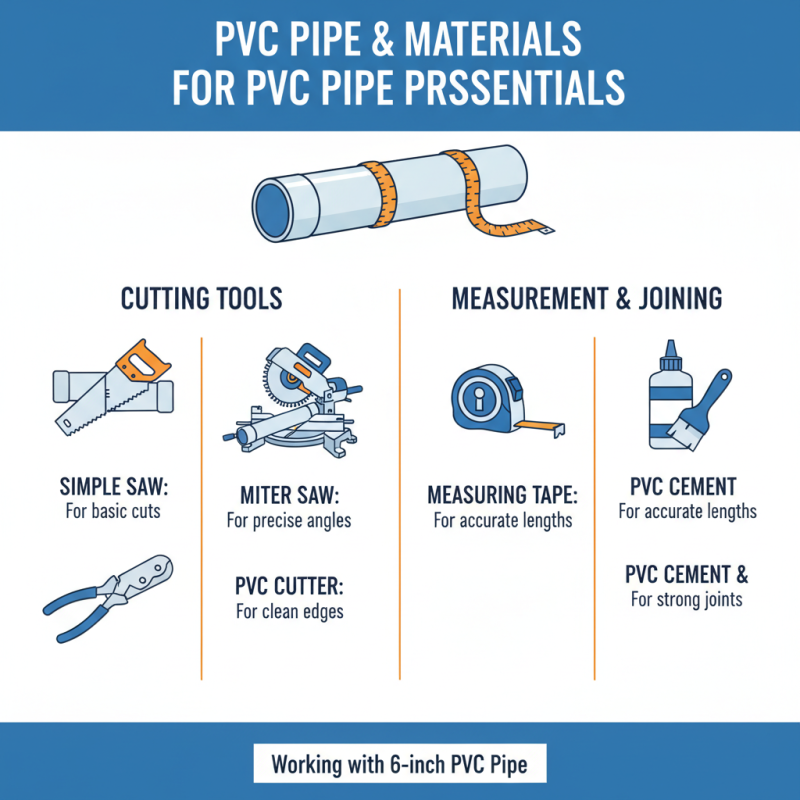
When working with 6-inch PVC pipe for your DIY projects, the right tools and materials are essential. A simple saw will work for cutting the pipe to size. A miter saw can offer precise angles. If you need accuracy, consider a PVC cutter. It helps create clean edges. In addition, measuring tape is indispensable for ensuring proper lengths.
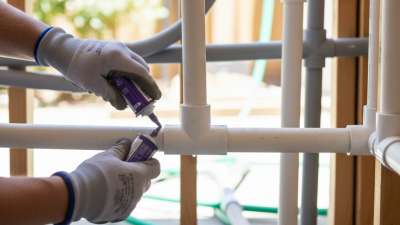
You'll also require appropriate connectors and fittings to join pieces. PVC glue is essential for sealing joints strongly. Don’t forget sandpaper to smooth rough edges. Having gloves on hand is a must. They help protect your hands from sharp edges during cutting and assembly.
However, it's easy to make mistakes. Measure twice but sometimes cut wrong. You might find pieces don’t fit as anticipated. It’s crucial to select the right size for your project. Take breaks if you feel frustrated. Reflect on your approach to avoid rushing through tasks. With the right tools and a thoughtful mindset, working with PVC can be fulfilling and effective.
Step-by-Step Guide to Cutting and Joining PVC Pipe
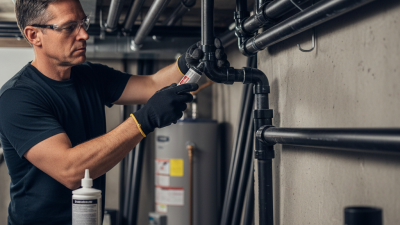
Cutting and joining PVC pipes can be an exciting and rewarding DIY project. This material is versatile for various applications. Make sure to wear safety goggles. Start with a clean workspace. Gather your tools: a measuring tape, a saw, and PVC cement. Accurate measurements are crucial. Measure twice, cut once. Use a fine-toothed saw for clean cuts. Uneven edges can lead to leaks, so take your time.
Joining PVC pipes requires precision. Apply PVC cement evenly on both surfaces. Press the pieces together firmly. Hold them for about thirty seconds. This step is vital for a secure bond. Always check for any gaps; they can undermine your project. Sometimes, the pipe does not fit perfectly. Don’t hesitate to make adjustments. Sanding or trimming can help achieve a snug fit.
Practice makes perfect. The first attempt may not be flawless. It's okay to revisit your cuts or joints. Learning from these mistakes can enhance your DIY skills. Measure and cut carefully. Each project is a chance to improve. Enjoy the process and embrace the challenges.
Creative DIY Projects Utilizing 6-Inch PVC Pipe
When it comes to DIY projects, 6-inch PVC pipes offer endless possibilities. These sturdy tubes can be used for various creative ventures. For instance, consider building a vertical garden. Simply cut the pipes to size, drill holes for plants, and secure them vertically against a wall. The result is a fun and functional space-saving garden.
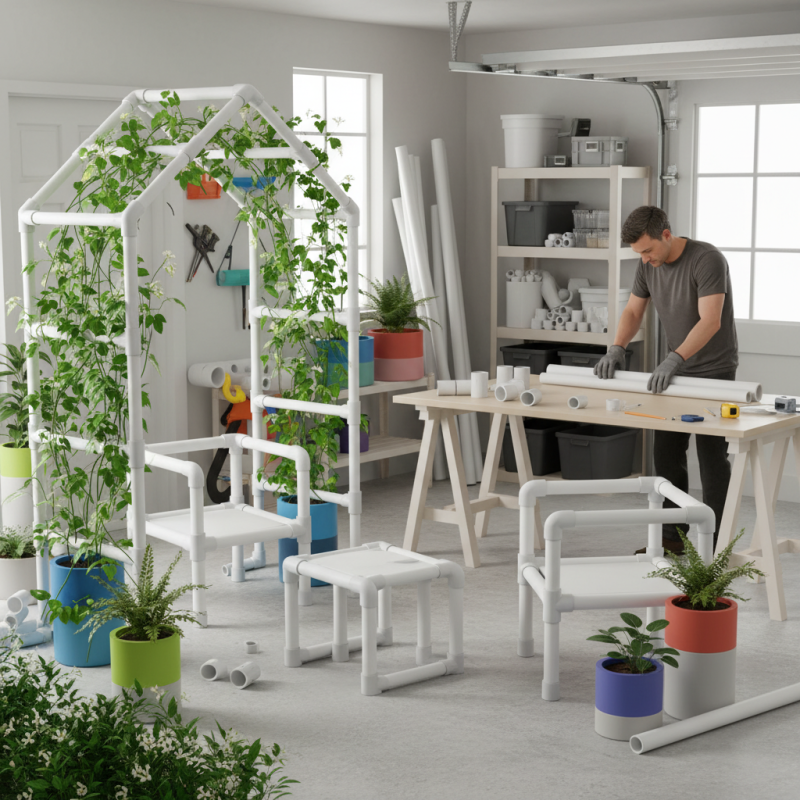
Another idea is creating a custom furniture piece. With 6-inch PVC, you can craft chairs or tables. The pipes can be joined together easily using connectors. Painting them adds a personal touch. Don’t forget, though, that stability can sometimes be an issue. Make sure to test your creations for durability before use.
Tips: Use a level to ensure everything is aligned properly during assembly. It’s easy to overlook this step. Also, start with small projects to gain confidence. There will be trial and error. Embrace the learning process. Every mistake teaches valuable lessons.
Safety Tips and Best Practices When Using PVC Pipe
When using PVC pipe for your DIY projects, safety is paramount. Start by wearing safety goggles and gloves. This protects your eyes and skin from sharp edges and debris. Always ensure your workspace is clean and free from hazards. Keep tools organized to avoid accidents.
Be cautious when cutting PVC. Use a saw with fine teeth to minimize splintering. Remember, cut slowly and steadily. If you’re planning to bend PVC, use a heat gun carefully. Maintain a safe distance to prevent burns. Always work in a well-ventilated area, especially when using adhesives or solvents.
Tips for effective use: Measure twice, cut once. A precise measurement saves material and time. Ensure connections are tight and secure. Leaks can lead to project failure. Store leftovers in a dry place, away from sunlight. Improper storage can warp and damage the material. Taking these steps can enhance your DIY experience with PVC pipes.
2026 PVC Pipe Usage in DIY Projects
This bar chart illustrates the distribution of DIY projects using 6" PVC Pipe across different categories. As shown, plumbing is the most common use for PVC, followed by furniture-making and garden projects.