Top 10 HDPE Pipe Fittings You Need to Know About?
In the ever-evolving world of plumbing and construction, understanding the nuances of HDPE pipe fittings is crucial. According to a recent market analysis by MarketsandMarkets, the global HDPE market is projected to reach $58.7 billion by 2027. This robust growth underscores the rising importance of high-density polyethylene in various applications. Renowned industry expert, Dr. Emily Tran, emphasizes, “Choosing the right HDPE pipe fittings can significantly impact a project’s efficiency and longevity.”
HDPE pipe fittings offer unparalleled strength and resistance to chemicals and environmental stress. They are increasingly favored for their lightweight nature and durability. However, many professionals still overlook basic aspects, leading to costly errors. A lack of understanding about different fitting types can compromise a system's integrity. Each fitting serves a unique purpose, from elbows to tees, yet installation nuances often remain under-discussed.
The challenge lies not just in selecting the appropriate fittings but also in staying informed about best practices. Reports suggest that improper fitting choices lead to up to 30% of pipeline failures. This highlights a critical need for ongoing education in the field of HDPE pipe fittings. As projects grow more complex, the importance of expert guidance cannot be overstated.
Overview of HDPE Pipe Fittings and Their Applications
HDPE pipe fittings are vital in a variety of applications. They are made from high-density polyethylene, known for its durability and resistance to chemicals. These fittings are commonly used in water distribution, gas supply, and agricultural irrigation. Their lightweight nature makes them easy to install and transport.
However, despite their strengths, HDPE fittings can be susceptible to specific challenges. One major concern is UV degradation when exposed to sunlight. This can compromise the integrity of the fittings over time. Moreover, proper installation is crucial. A poorly connected fitting can lead to leaks and costly repairs.
In agricultural settings, HDPE pipe fittings help ensure consistent water supply. They support efficient irrigation systems, making them a favorite among farmers. However, installation in uneven terrains can pose difficulties. It's essential to assess the landscape beforehand for optimal performance.
Top 10 HDPE Pipe Fittings You Need to Know About
| Fitting Type |
Diameter (inches) |
Application |
Max Pressure (psi) |
| Elbow |
1.5 - 48 |
Direction Change |
150 - 200 |
| Coupling |
0.5 - 24 |
Joining Pipes |
150 |
| Tee |
2 - 12 |
Branch Connection |
150 |
| Reducer |
1 - 6 |
Size Transition |
150 |
| Cap |
1 - 24 |
End Closure |
150 |
| Flange |
2 - 24 |
Connection to Other Components |
150 |
| Bench |
2 - 12 |
Support Structure |
150 |
| Cross |
2 - 12 |
Multiple Connections |
150 |
| Transition |
3 - 10 |
Different Material Connection |
150 |
| Plug |
1 - 8 |
Close Open End |
150 |
Key Features and Benefits of HDPE Pipe Fittings
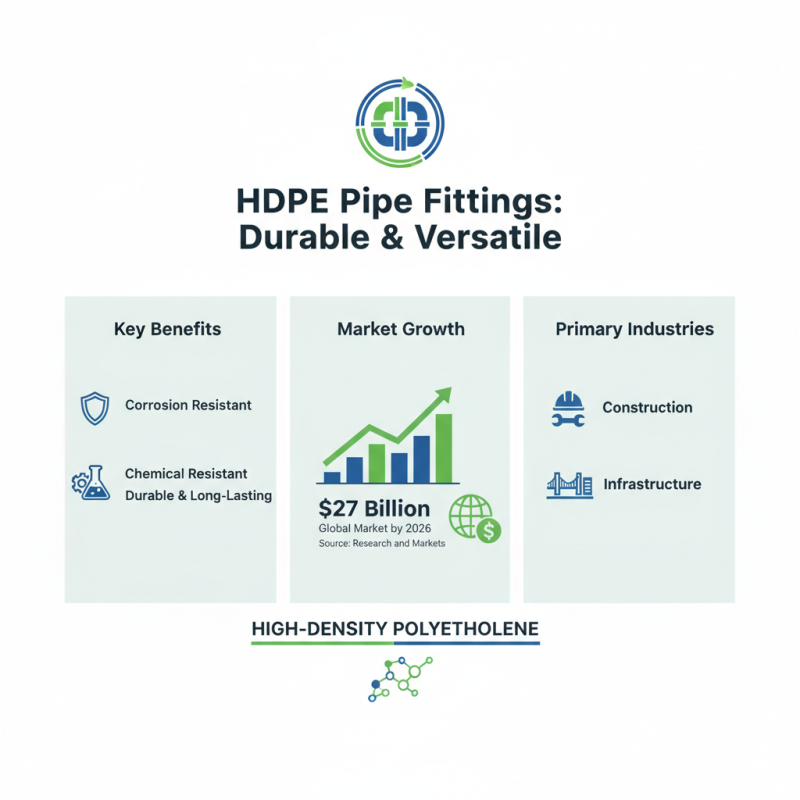
HDPE pipe fittings stand out in various industries due to their durability and versatility. These fittings are made from high-density polyethylene, a material that offers excellent resistance to corrosion and chemical reactions. According to a report by Research and Markets, the global HDPE pipe market is expected to reach $27 billion by 2026, highlighting the rising demand for such fittings in construction and infrastructure.
One key feature of HDPE fittings is their flexibility. They can withstand extreme temperatures and pressures. This adaptability makes them ideal for both residential and industrial applications. Furthermore, the low weight of HDPE compared to other materials simplifies handling and installation. Despite some complaints about initial costs, the long lifespan of HDPE fittings—averaging 50 years—often justifies the investment.
Another benefit is their low environmental impact. HDPE fittings are recyclable and contribute to environmentally friendly practices. However, the manufacturing process does raise concerns over energy consumption. As the industry evolves, addressing these environmental issues remains crucial. Industry experts urge continuous innovation to improve sustainability practices while maintaining quality.
Top 10 Recommended HDPE Pipe Fitting Types
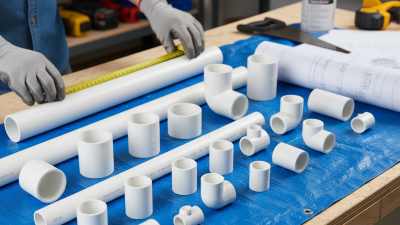
HDPE pipe fittings are essential for various plumbing and construction projects. Understanding different types of fittings can improve your efficiency. Here are some recommended types of HDPE pipe fittings to explore.
Elbows are common. They change the direction of the pipeline. You can find 90-degree and 45-degree options. Each has specific uses and can impact flow. Valves control the flow in your system. They prevent backflow and can be manual or automated. Fittings like tees allow three-way connections, which are useful in branching systems.
When choosing fittings, consider the environment. Some materials perform better in specific conditions. It's crucial to inspect the fittings for defects. A small crack can lead to larger issues down the line. Be aware that not every fitting suits every project. For instance, heavy-duty fittings might not be necessary for light applications.
Always ensure compatibility with your HDPE pipes. Mismatched sizes can create leaks. Tighten connections properly to avoid future repairs. Testing your fittings before installation is a wise move. Don't rush this process; careful checks prevent costly mistakes later on.
Installation Techniques for HDPE Pipe Fittings
HDPE pipe fittings are essential in modern plumbing systems. Effective installation techniques can significantly influence the performance and lifespan of these fittings. According to industry reports, improper installation can lead to leaks and costly repairs. Around 25% of plumbing failures occur due to poor fitting connections.
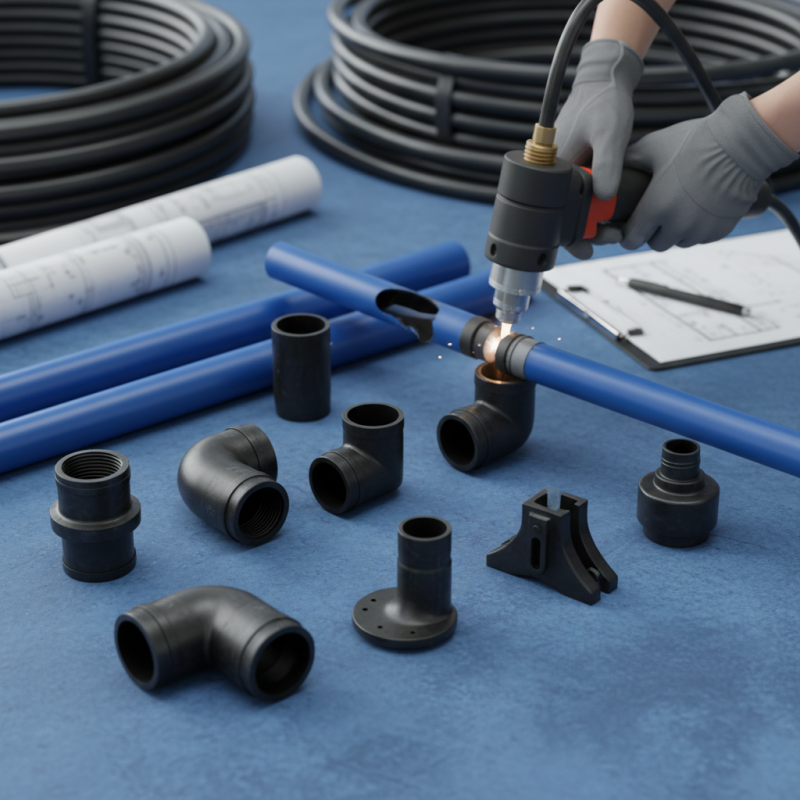
When installing HDPE fittings, ensure that surfaces are clean and free from debris. This step is crucial. A dirty surface can compromise the integrity of the joint. Use a primer if required, depending on the joint type. Heat fusion is a widely recommended technique. It involves heating the pipe and fitting to a specific temperature and then forcing them together. Many professionals agree that this method ensures stronger bonds between components.
Moreover, it’s vital to maintain the right pressure during installation. Excessive pressure may result in deformation of the fitting. A common pitfall is rushing the cooling process. Many technicians cut corners here, leading to weaker joints. Always be patient. Allow adequate time for the bond to set, enhancing the system's reliability. Remember, every small detail matters in HDPE installation.
Maintenance Tips for Longevity of HDPE Pipe Fittings
When maintaining HDPE pipe fittings, it's crucial to understand their unique properties. These fittings resist corrosion and vibrations but require proper care to last. Regular inspections can help identify any potential issues early.
Check for visible wear or cracks, especially at connection points.
Tips for longevity include avoiding extreme temperatures that could degrade the material. Use soft brushes instead of harsh chemicals for cleaning. This prevents damage to the fitting's surface.
Additionally, ensure all connections are secure but not over-tightened; this can lead to deformation and leaks.
If you notice a fitting that is not aligning properly, it’s a sign to reassess your setup. Even small changes in angle can affect performance. Document your maintenance routine. This practice helps track changes and identify repeating issues. Overall, recognizing the signs of wear early can prevent costly repairs.