Top HDPE Pipe Fittings for Global Buyers in 2026?
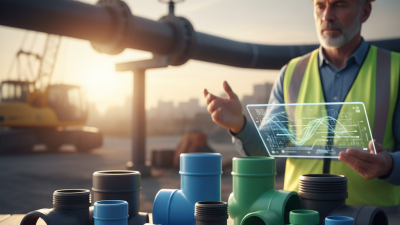
The demand for HDPE pipe fittings is on the rise as industries seek durable and reliable solutions. By 2026, global buyers will need to understand the latest trends and advancements in this sector. HDPE, or high-density polyethylene, is favored for its strength and resistance to corrosion.
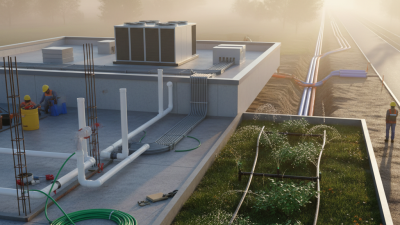
In recent years, many brands have emerged, offering a variety of HDPE pipe fittings. These fittings are essential in construction, agriculture, and water management. Each application has unique requirements. Thus, selecting the right HDPE pipe fittings becomes crucial for efficiency and cost-effectiveness.
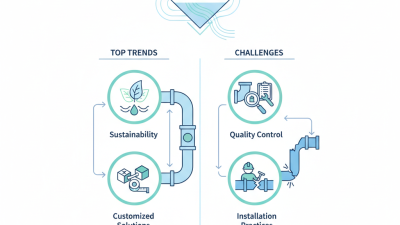
However, navigating this market can be challenging. Quality control and supplier reliability vary significantly. Buyers must look for industry certifications and proven track records. Reflecting on these factors will aid in making informed decisions in a competitive landscape. A thoughtful approach ensures long-term benefits, reducing the risk of operational failures.

Overview of HDPE Pipe Fittings Market Trends in 2026
The HDPE pipe fittings market is witnessing significant growth trends as we approach 2026. Analysts predict the global market will expand at a compound annual growth rate (CAGR) of 5.8%. This growth is driven by increasing demand across sectors like construction and agriculture. HDPE fittings are favored for their durability and flexibility.
Market research highlights a rising preference for high-density polyethylene due to its resistance to corrosion and chemicals. In regions like Asia-Pacific, infrastructure development is a key factor. For instance, the construction industry in countries such as India and China is propelling demand for reliable piping solutions. This trend indicates a shift towards sustainable materials.
However, industry challenges persist. The availability of raw materials can fluctuate, impacting production costs. Additionally, not all manufacturers meet quality standards, leading to variability in product reliability. Stakeholders must prioritize quality control. This caution ensures that emerging market opportunities do not compromise safety and efficiency.
Key Characteristics and Benefits of HDPE Pipe Fittings
HDPE pipe fittings are gaining popularity among global buyers. They are known for their durability and resistance to corrosion. This makes them suitable for various applications, including water supply and drainage systems. One key characteristic is their lightweight nature, which simplifies transportation and installation.
These fittings also have a high level of flexibility. This is important in projects requiring complex layouts. Additionally, HDPE fittings resist impact and stress cracking, ensuring a longer lifespan. This characteristic is particularly beneficial in harsh environments or seismic areas.
Tips: When selecting HDPE fittings, consider the specific pressure rating you need. It's essential to match the fitting with the intended application. Always verify the compatibility of fittings with pipe size and material. Misalignment can lead to issues, so attention to detail is crucial. Also, ensure that you source from reliable suppliers to guarantee quality.
Top Manufacturers in the Global HDPE Pipe Fittings Industry
The global HDPE pipe fittings industry is witnessing significant growth, driven by increasing infrastructure development. Manufacturers are focusing on innovations to enhance product durability and efficiency. These advancements play a crucial role in catering to diverse client needs.
Several key manufacturers are gaining attention for their cutting-edge technology and quality. They invest heavily in research and development. This ensures their products meet the highest standards. However, consistent quality control remains a challenge. Some manufacturers struggle with variations in production processes, affecting final product reliability.
Sustainability is becoming a priority for many companies in the industry. They are exploring eco-friendly materials to reduce environmental impact. Yet, the transition from traditional methods can be slow and complicated. This reflects the industry’s ongoing struggle to balance innovation with practical implementation. Manufacturers must remain adaptable to ensure they meet market demands while maintaining ethical standards.
Top HDPE Pipe Fittings Market Share by Regions in 2026
This chart displays the projected market share of HDPE pipe fittings across different regions in 2026. The data indicates that Asia Pacific will have the largest share, followed by Europe and North America, showcasing the global demand trends for HDPE pipe fittings.
Innovative Technologies Impacting HDPE Pipe Fittings Production
The HDPE pipe fittings industry is increasingly influenced by innovative technologies. Advanced manufacturing processes are paving the way for higher efficiency and improved product quality. For instance, 3D printing is revolutionizing the design of fittings. This technology allows for rapid prototyping and customization. These benefits cater to specific client needs in diverse applications.
Industry reports predict that the global market for HDPE fittings will grow significantly by 2026. It is estimated to reach over $10 billion, driven by demand in industrial and agricultural sectors. Data indicates that about 30% of this growth will stem from enhanced production techniques. Automation in manufacturing reduces labor costs. It enhances consistency in product quality while minimizing human error.
However, challenges remain. Adoption of new technologies requires significant initial investments. Smaller manufacturers may struggle with these costs. Additionally, sustainability remains a pressing issue. The production of HDPE fittings must balance efficiency with environmental considerations. Addressing these challenges is crucial for future growth in the sector.
Sustainability and Environmental Considerations in HDPE Usage
Sustainability is increasingly important in the use of High-Density Polyethylene (HDPE) pipe fittings. As global demand rises, so does the scrutiny on environmental impact. According to the International Plastics Association, HDPE is recyclable and has a lower carbon footprint compared to traditional materials. This makes it an attractive option for projects aiming for sustainability.
While HDPE offers benefits, challenges remain. The production process still relies on fossil fuels, creating greenhouse gas emissions. A recent report by the Environmental Protection Agency indicates that 20% of plastic waste comes from the construction sector. This raises questions about the lifespan and disposal methods for HDPE fittings. Industry players must focus on improving recycling systems and developing closed-loop solutions.
Investing in technologies to better recycle HDPE could lead to more sustainable practices. Experts suggest that transitioning towards bio-based feedstocks may provide a pathway to greener production. Nevertheless, the journey toward true sustainability in HDPE usage remains complex and requires ongoing reflection and innovation.