2026 Best HDPE Pipe Fittings for Global Buyers and Projects?
HDPE pipe fittings are crucial components in modern construction and infrastructure projects. These fittings, made from high-density polyethylene, boast impressive durability and resistance to corrosion. According to a recent report by MarketsandMarkets, the HDPE pipe fittings market is projected to reach USD 8.5 billion by 2026, reflecting a significant demand across various sectors.
As global buyers seek reliable and efficient solutions, the quality of HDPE pipe fittings is paramount. Technical specifications often vary, making it essential for projects to focus on reputable manufacturers with proven performance records. For instance, a study by Research and Markets indicates that the adoption of HDPE in water supply systems can enhance flow efficiency while minimizing leaks.
Yet, not all HDPE pipe fittings are created equal. Some may fall short in meeting industry standards, raising questions about their long-term reliability. Buyers must discern between options, paying attention to certifications and past project successes. In a landscape where sustainability and durability are increasingly vital, selecting the right HDPE pipe fittings is more important than ever.
Best HDPE Pipe Fittings: Overview and Significance in Global Projects
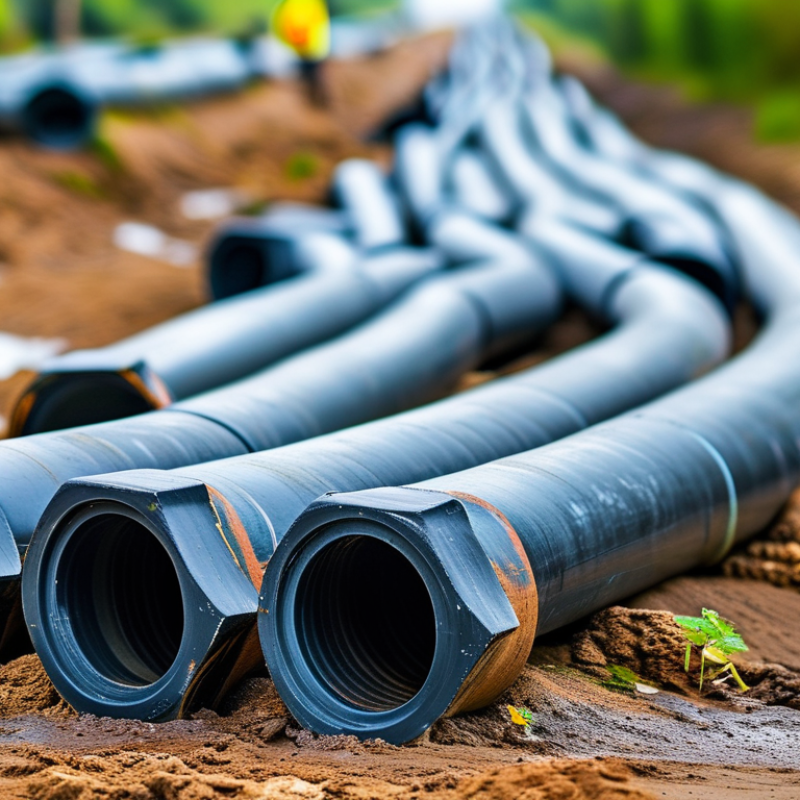
HDPE (High-Density Polyethylene) pipe fittings play a critical role in global infrastructure projects. Their durability, resistance to corrosion, and lightweight properties make them ideal for various applications, from water distribution to gas systems. According to a report by the International Association of Plastics, the global demand for HDPE pipe fittings is expected to reach 4 million tons by 2026. This growth underscores the significance of these materials in enhancing project efficiency and sustainability.
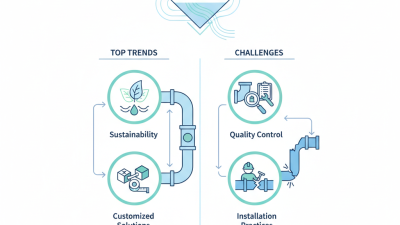
The installation process of HDPE fittings can offer challenges. Misalignment during assembly may lead to leaks, impacting project timelines. Implementing advanced joining techniques can mitigate these issues. Industry experts emphasize the need for proper training for installers. Such steps can ensure reliability and integrity in projects. The material's recyclability is also notable. However, the recycling process can be inconsistent globally, prompting further discussions on standardization and best practices.
In many regions, environmental regulations are pushing for greater use of HDPE pipe fittings. They often outperform traditional materials in performance and sustainability. Yet, their higher initial costs can deter some projects. Decision-makers must weigh long-term benefits against upfront expenses. Analyzing lifecycle costs can provide insights into the true value of HDPE systems. While the advantages are clear, the industry's need for innovation and improvement remains a priority for future projects.
Key Features to Consider When Choosing HDPE Pipe Fittings
When choosing HDPE pipe fittings for various projects, several key features play a vital role. Durability is crucial; quality fittings must withstand harsh environmental conditions and significant pressure. Consider the temperature range these fittings can handle. Some materials may become brittle in extreme cold or soften in high heat. This impacts their overall effectiveness.
Another aspect to evaluate is the compatibility with existing piping systems. Not all fittings work seamlessly with every type of HDPE pipe. It's essential to check the sizing and jointing methods. Mismatched components can lead to leaks and costly repairs. Look for fittings that offer a tight, reliable fit.
Finally, assess the certifications and standards compliance of HDPE fittings. Reliable manufacturers provide products that meet industry standards, ensuring safety and performance. However, not all products on the market have these certifications. Buyers must be vigilant and do their research to avoid potential issues. Understanding these details can make a significant difference in your project's success.
2026 Best HDPE Pipe Fittings Analysis
Top Manufacturers of HDPE Pipe Fittings in 2026
The global market for HDPE pipe fittings is anticipated to grow significantly in 2026. This growth stems from increasing demand across various sectors, including plumbing, irrigation, and industrial applications. Industry reports indicate that the HDPE fittings market could expand at a compound annual growth rate (CAGR) of about 4.5% from 2021 to 2026. Such growth highlights the need for reliable suppliers who can meet rising project demands.
Key manufacturers in the HDPE pipe fittings sector demonstrate their expertise through ongoing innovations in materials and manufacturing processes. They emphasize compliance with international standards to ensure quality and durability. Reports suggest that companies investing in advanced technologies exhibit better performance. However, not all manufacturers prioritize sustainable practices. This presents a concern for conscious consumers and projects focused on green solutions.
The ability to source quality HDPE fittings from reputable manufacturers remains vital for project success. Many buyers face challenges with counterfeit products on the market. Ensuring authenticity can be daunting without proper verification methods. Industry experts recommend checking certifications and product specifications before finalizing purchases. This approach can mitigate risks and enhance project reliability.
2026 Best HDPE Pipe Fittings for Global Buyers and Projects
| Fitting Type |
Size Range (inches) |
Pressure Rating (psi) |
Material Type |
Certification |
| Elbow |
1 to 12 |
160 |
HDPE |
ISO 4427 |
| Coupling |
2 to 24 |
100 |
HDPE |
ANSI/AWWA C901 |
| Tee |
3 to 18 |
150 |
HDPE |
ASTM D3035 |
| Reducer |
4 to 10 |
125 |
HDPE |
ISO 4427 |
| Cap |
1 to 12 |
200 |
HDPE |
ASTM F2620 |
Comparison of HDPE Pipe Fittings for Different Applications
When selecting HDPE pipe fittings, consider the specific application and environment. For water supply, high-quality fittings are essential. In contrast, industrial uses may prioritize durability and chemical resistance. Each fitting type offers distinct advantages.
For irrigation systems, look for fittings that facilitate efficient flow. Joint integrity remains vital to prevent leaks. Pressure ratings should meet or exceed the requirements of your project. Test the fittings before final installation.
Tips:
Choose fittings that accommodate thermal expansion. This can prevent issues such as cracking. Always check compatibility with existing pipes. Before purchase, review certifications and standards for assurance. Remember, inferior fittings may lead to costly repairs down the line.
When dealing with underground installations, prioritize fittings designed for robust soil conditions. They should withstand pressure and external forces. Assess installation conditions thoroughly. Sometimes, overlooked details can lead to significant challenges later.
Future Trends in HDPE Pipe Fittings Development and Usage
The future of HDPE pipe fittings is evolving rapidly. Industry experts predict a notable rise in the use of HDPE materials, driven by their durability and chemical resistance. According to a recent report by Research and Markets, the global HDPE pipe market is expected to reach USD 25 billion by 2026, indicating a compound annual growth rate of over 5%.
The focus on sustainability will also shape future developments. More projects are adopting HDPE due to its recycling capabilities. These fittings not only reduce environmental impact but also lower costs for construction projects. A study conducted by the International Plastic Pipe Association found that over 40% of new infrastructure projects are using HDPE materials now, showcasing its increasing acceptance.
**Tip:** Consider investing in innovative designs that incorporate advanced jointing methods. This can enhance connectivity and durability. Suppliers should stay updated on emerging technologies and eco-friendly practices. With shifting regulations, companies must reflect on their manufacturing processes to maintain competitive advantages in the evolving market.