Home // Blog
In the world of plumbing fittings, expertise is crucial. Mark Thompson, a renowned plumbing specialist, states, "Choosing the right fitting can make or break a project." This emphasizes the importance of informed choices for global buyers in the plumbing industry.
Today, there are numerous plumbing fittings available. The options range from simple PVC connectors to complex copper valves. Understanding the specifics of each type is essential. Buyers must consider different materials and their applications. Price is only one part of the equation. Quality and durability often determine long-term satisfaction.
Yet, many buyers overlook essential factors. They might rush decisions or focus strictly on cost. Investing time in research and consultation with experts can yield better outcomes. Recognizing the potential pitfalls in choosing plumbing fittings can lead to smarter purchases. Engaging with skilled professionals can enhance this process further.
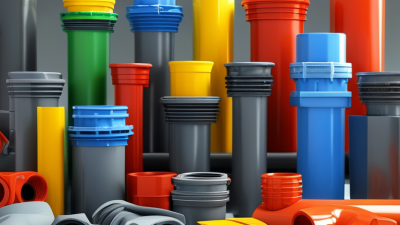
When selecting plumbing fittings, understanding material types is essential. Different materials serve unique purposes, influencing functionality and durability. For instance, brass offers high corrosion resistance. It is often used in high-pressure systems. Conversely, PVC is a lightweight option that works well for drainage. Each material comes with its pros and cons.
One essential factor to consider is the environment. If fittings will be exposed to extreme temperatures, certain materials might fail. Copper fittings are excellent in both cold and hot applications. However, they may not be the best choice for very acidic water, which could cause corrosion. It’s also important to note that installation and maintenance costs can vary significantly based on the material chosen.
Proper research is necessary before making a purchase. It’s worth consulting experienced professionals in plumbing. Their insights can enlighten you about the best options tailored to your specific needs. Additionally, always check the compatibility of fittings with existing pipes. A mismatch can lead to leaks and costly repairs. Understanding these details can help buyers make informed decisions in the plumbing market.
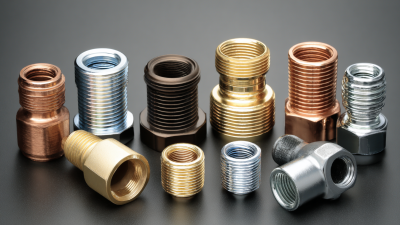
When it comes to plumbing products, quality standards and certifications are crucial. Buyers must evaluate these factors to ensure they are selecting reliable fittings. Reports from organizations like the International Association of Plumbing and Mechanical Officials (IAPMO) reveal that certified plumbing products reduce the risk of failures and enhance safety. Certification demonstrates adherence to high manufacturing standards.
Buyers should look for certifications such as ANSI, NSF, and ISO. These ensure that products meet recognized safety and performance standards. Choosing products with these certifications can prevent potential issues in plumbing systems.
It's essential to assess the materials used in fittings. For instance, brass and copper offer durability, while plastic may pose risks in extreme conditions. Detailed inspection of a product’s specifications will help identify any weaknesses. Remember, sometimes manufacturers claim certifications that may not be valid. Always verify through third-party resources.
Another point to consider is the adaptability of fittings. With changing regulations globally, the ability to meet local plumbing codes is vital. This flexibility can prevent costly renovations or repairs later on.
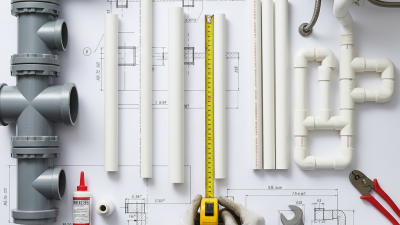
In the world of plumbing fittings, sizing and compatibility are paramount. A fitting that doesn’t match the pipe size can lead to leaks and costly repairs. Every buyer should ensure the dimensions are accurate before making a purchase. Measure twice, buy once is more than a saying; it’s a necessity for any successful plumbing project.
Compatibility extends beyond mere dimensions. Different materials, such as PVC or copper, often have specific fittings designed for their unique properties. If you mix incompatible materials, you might face issues like corrosion or reduced flow. It’s essential to consult technical specifications and apply them in real-world scenarios. Experience shows that overlooking these details can result in frustrating delays and unexpected expenses.
What often goes unconsidered is how environmental factors impact material selection and fitting performance. Extreme temperatures, water quality, and installation conditions can all influence how fittings behave over time. Buyers should reflect on these variables. Engaging with knowledgeable suppliers and plumbing professionals can provide deeper insights. Making informed choices is key in ensuring durability and functionality in plumbing systems.
When budgeting for plumbing components, consider the difference between cost and value. Cost reflects the immediate price, while value encompasses quality, durability, and long-term performance. A cheaper fitting may seem tempting, but it can lead to frequent replacements and repairs. This could ultimately inflate your overall expenses.
Investing in high-quality plumbing fittings can save money in the long run. Evaluate the materials used and the reputation of the manufacturer. Sometimes, spending a little more upfront leads to better performance and fewer maintenance issues. Watch for generic brands that may not have reliable performance records.
Remember, not all expensive products guarantee quality. Research reviews and consult with seasoned professionals. Their insights can guide you toward reliable fittings. It’s essential to strike a balance between quality and affordability. Quality checks can sometimes reveal hidden flaws, making you reconsider choices that seem budget-friendly at first glance. Prioritize products with proven track records.
Sustainable plumbing solutions are gaining traction in global markets. A report by the International Water Association indicates that around 70% of consumers are willing to pay more for eco-friendly products. This is a significant shift in buyer behavior. The focus on reducing water waste is driving innovation in plumbing fittings.
Water-efficient devices are becoming essential. Dual-flush toilets and low-flow faucets can cut water consumption by up to 50%. Countries like Denmark have seen substantial savings. Their plumbing initiatives led to a 20% reduction in per capita water use over the past decade. However, not every region has adopted these advancements. Some areas struggle with outdated systems that waste resources.
Education is also crucial. Many buyers lack awareness of sustainable options. Despite growing interest, there is a gap in understanding how to integrate these solutions effectively. Training programs for installers can bridge this gap. Investing in knowledge helps ensure installations meet sustainability standards. With the right tools and information, buyers can make smarter choices, benefiting both the environment and their budgets.
| Tip Number | Tip | Sustainability Aspect | Market Trend |
|---|---|---|---|
| 1 | Choose Eco-Friendly Materials | Recyclable and biodegradable | Rising demand for green certifications |
| 2 | Optimize for Water Efficiency | Reduced water waste | Growth in low-flow fixtures |
| 3 | Invest in Smart Technology | Enhanced monitoring of resources | Preference for IoT-enabled devices |
| 4 | Prioritize Durability and Longevity | Long-lasting products reduce waste | Shift towards lifetime warranties |
| 5 | Focus on Local Sourcing | Support local economies and reduce transport emissions | Increase in regional supply chains |
| 6 | Educate on Installation Techniques | Proper installation extends lifespan | Training programs on sustainable practices |
| 7 | Reduce Energy Consumption | Lower carbon footprint | Demand for energy-efficient systems |
| 8 | Consider Advanced Filtration Options | Cleaner water usage | Growth in health-conscious plumbing solutions |
| 9 | Utilize Reusable Components | Minimize single-use items | Rise in circular economy practices |
| 10 | Regular Maintenance and Inspections | Prolongs system efficiency | Increased customer awareness of service |
© Copyright 2025 PolyFab Plastic Industry LLC. All Rights Reserved.