Top 10 PVC Pipe Fittings You Need for Your Projects?
When embarking on plumbing or construction projects, understanding PVC pipe fittings is crucial. These fittings play a vital role in connecting pipes, ensuring a secure and efficient flow of water. The right fittings can make or break your project. High-quality PVC pipe fittings are both durable and versatile, offering various options to suit different needs.
Using these fittings requires a degree of expertise. It's essential to choose the correct type for your specific task. Some may overlook the details, leading to potential leaks or improper connections. Familiarizing yourself with the top PVC pipe fittings can help you avoid common pitfalls.
Many professionals and DIY enthusiasts rely on these fittings for their reliability. However, even seasoned users can struggle with choices. Knowing what to look for is as important as recognizing what to avoid. This guide will shed light on ten indispensable PVC pipe fittings for your projects, enhancing your understanding and execution of essential plumbing tasks.
Essential Types of PVC Pipe Fittings for Construction and Repair
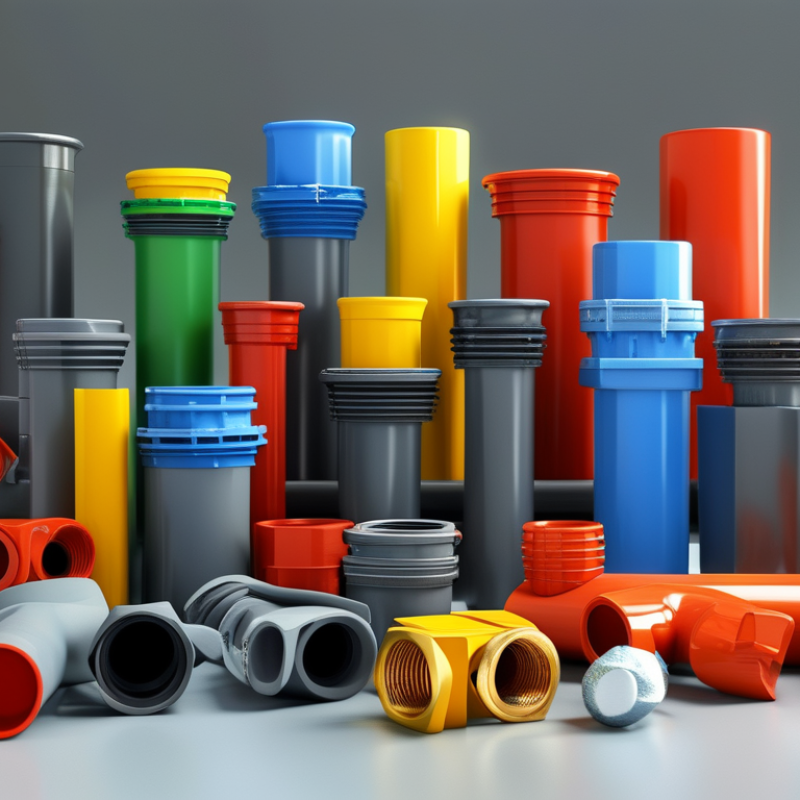
When it comes to construction and repair, choosing the right PVC pipe fittings is vital. These components ensure smooth connections and reliable performance. Here are some essential types of PVC pipe fittings to consider for your projects.
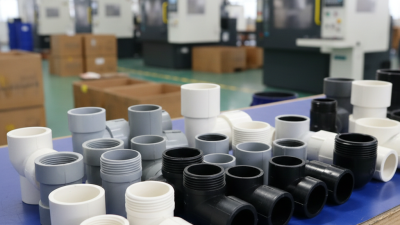
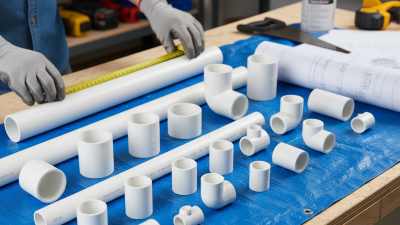
Elbow fittings provide a 90-degree or 45-degree angle. They are crucial for changing the direction of the piping. Couplings are used to connect two pieces of pipe together. They come in various sizes to fit different diameters. Tee fittings allow for branching off in two directions, making them invaluable for creating complex systems.
Tips: Always measure the pipe's diameter before purchasing fittings. This prevents mismatch and unnecessary extra effort. When connecting fittings, use PVC solvent for a secure bond. It’s important to allow proper curing time for the seal to form effectively.
While PVC fittings are durable, they can crack under extreme temperatures. Always consider your project's environmental conditions. Getting the right fittings may seem straightforward, but choosing based on your needs is challenging. Prioritizing quality can save time and money in the long run. Consider experimenting with different types to see what works best for your specific applications.
Understanding the Applications of PVC Pipe Fittings in Various Projects
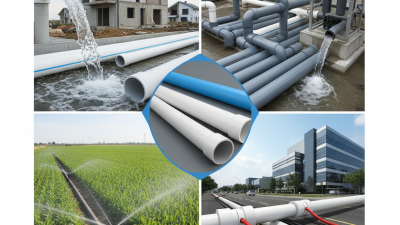
PVC pipe fittings play a vital role in various construction and plumbing projects. They are versatile, lightweight, and cost-effective. According to a 2021 report by the Plastic Pipe and Fittings Association, the market for PVC fittings is projected to grow significantly. This growth reflects their increasing use in residential, commercial, and industrial applications.
In plumbing, PVC fittings are preferred for drainage, waste, and vent systems. Their resistance to corrosion and chemical damage makes them an excellent choice for these applications. Additionally, PVC's smooth interior surface reduces friction. This improves flow efficiency and reduces energy costs. However, improper installation can lead to significant leaks and pressure loss.
Agricultural applications utilize PVC fittings in irrigation systems. They help facilitate water distribution efficiently. A recent study showed that systems using PVC fittings can increase irrigation efficiency by over 25%. Yet, some users overlook the importance of proper sizing and fitting type. This oversight often results in suboptimal performance, impacting crop yield. Understanding the specific needs of each project is crucial for maximizing the benefits of PVC pipe fittings.
Key Features to Look for in High-Quality PVC Pipe Fittings
When selecting PVC pipe fittings for your projects, it's essential to focus on key features that ensure quality and performance. High-quality fittings should be made from durable PVC materials that resist bending and cracking. According to a report from the Plastic Pipe and Fittings Association (PPFA), fittings made from industry-standard PVC exhibit significantly lower failure rates, promoting longevity in various applications.
Another critical aspect to consider is the fitment design. Precision-engineered fittings minimize the risk of leaks, ensuring a secure connection. Studies show that poorly constructed fittings can lead to a 25% increase in installation errors. A well-fitting joint not only enhances system efficiency but also reduces maintenance costs over time.
Certification and compliance are also vital. Look for fittings that meet industry standards specified by organizations like ASTM. According to the American Society for Testing and Materials, compliance ensures that products have been rigorously tested. This scrutiny builds trust in their performance in residential, commercial, or industrial applications. Remember, not all fittings are created equal. Investing time in research can yield a better outcome for your projects.
Installation Tips for Maximizing the Performance of PVC Pipe Fittings
When working with PVC pipe fittings, installation is key to ensuring optimal performance. Proper installation prevents leaks and enhances durability. One crucial tip is to clean the pipe ends before fitting. Dirt or debris can cause a poor seal, leading to future issues. Use a pipe cleaner or sandpaper for a smooth finish.
Consider the ambient temperature during installation. PVC can expand or contract with temperature changes. If it's warm, allow some time for the fittings to cool down before sealing. Conversely, if it’s cold, pre-warming the materials can help with fitting them together more easily.
Check alignment as you install. Misalignment can strain connections, resulting in leaks. Use a level to ensure pipes are straight. Also, avoid over-tightening; this can damage the fitting. Remember, errors can lead to costly repairs, so reflecting on your process is crucial. Each step should be executed with attention to detail to maximize the fittings' performance.
Common Mistakes to Avoid When Using PVC Pipe Fittings in Projects
When working with PVC pipe fittings, several common mistakes can lead to project setbacks. One frequent error is improper cutting techniques. A jagged edge can prevent a tight seal, causing leaks. Research shows that nearly 30% of plumbing failures are due to poor joint connections. Precision is key. Always use the right tools for cutting to ensure clean edges.
Another common oversight is neglecting to clean surfaces before applying fittings. According to industry standards, contaminants can severely weaken the bond. A dirty surface can reduce bond strength by up to 50%. It's imperative to follow best practices for cleanliness. Make use of primer and solvent cement and allow adequate drying time to avoid potential failures.
Finally, failing to consider the thermal expansion of PVC can be detrimental. PVC expands and contracts with temperature fluctuations. Ignoring this can lead to stress on joints. Studies indicate that improper expansion allowances can result in structural failures. Always account for environmental factors in your design to ensure longevity and functionality.