Flexible PVC Pipe Tips for Smart Purchasing Decisions?
When considering flexible PVC pipe for your projects, smart purchasing decisions are crucial. These pipes offer versatility in applications, making them popular among homeowners and professionals alike. However, navigating the options can be overwhelming due to varying qualities and features.
Flexible PVC pipe comes in different grades, and not all options are created equal. It's essential to understand the specifications that matter. The right choice can enhance durability and performance in plumbing, drainage, and electrical installations. Yet, buyers often overlook key details, leading to frustration later on.
Observing user reviews and expert insights is vital. Feedback can reveal the pipe's actual performance and longevity. Many purchasers wish they had researched more before deciding. Investing time in understanding flexible PVC pipe will ultimately lead to better results.
Understanding the Benefits of Flexible PVC Pipes in Various Applications
Flexible PVC pipes offer numerous benefits across a variety of applications. Their lightweight nature makes installation easier and less labor-intensive. Unlike rigid pipes, flexible PVC adapts to different layouts and obstacles without needing expensive fittings. This flexibility encourages creativity in design and construction.
These pipes are well-known for their durability. Resistant to many chemicals, they hold up against harsh environments. Homeowners often choose them for irrigation systems and drainage solutions. In industrial settings, flexible PVC pipes can manage fluids at various temperatures. However, it's crucial to assess the specific requirements of each project. Proper sizing and installation impact overall performance.
Cost-effectiveness is another key factor. These pipes are generally more affordable than their rigid counterparts. Yet, the long-term performance often raises questions. Will they maintain efficiency over time? Ensuring quality installation and regular maintenance will minimize potential issues. Thoughtful purchasing decisions will yield greater value.
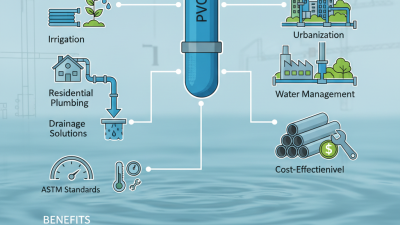
Flexible PVC Pipe Applications and Their Benefits
Key Factors to Consider When Choosing Flexible PVC Pipes
When selecting flexible PVC pipes, it's crucial to consider various factors that can impact performance and longevity. One key aspect is the pipe's flexibility. A good flexible PVC pipe should bend easily without kinking. This allows for installation in tight spaces or complex layouts. Evaluate the specifications of flexibility to ensure it meets your project needs.
The pipe's application is also important. Different environments may require specific properties. For example, pipes used in drainage must withstand prolonged exposure to moisture. Conversely, pipes used for electrical conduits must be non-conductive. Understanding the intended use helps in making informed choices.
Tips for a successful purchase include checking for certifications that ensure quality. Look for indicators of durability and resistance to chemicals. If possible, consult with professionals to gain insights. Their experience can highlight specifications that are often overlooked. Pay attention to feedback from other users regarding their experiences. This practical advice can help avoid mistakes and ensure a wise investment. Making the right decision can prevent costly repairs later.
Comparing Cost-Effectiveness of Flexible PVC Pipes to Alternative Materials
When considering flexible PVC pipes, cost-effectiveness is a key factor. Compared to metal or rigid plastic options, flexible PVC pipes offer significant savings. They are often lighter, making transportation and installation easier. The ability to bend and adapt to various conditions reduces the need for additional fittings. This flexibility can lead to lower installation costs and reduced labor time.
When evaluating flexible PVC pipes, it’s essential to recognize their durability. They resist corrosion, which is a common issue with metal. This longevity translates to fewer replacements over time. Choosing pipes based on lifespan and maintenance requirements can provide better value.
For smarter purchasing decisions, examine your specific needs. Take note of the pipe's pressure rating and temperature limits. Most suppliers provide crucial specifications. Assess both material type and anticipated use. Seek recommendations from professionals in the field. A well-informed choice can save money and headaches in the long run.
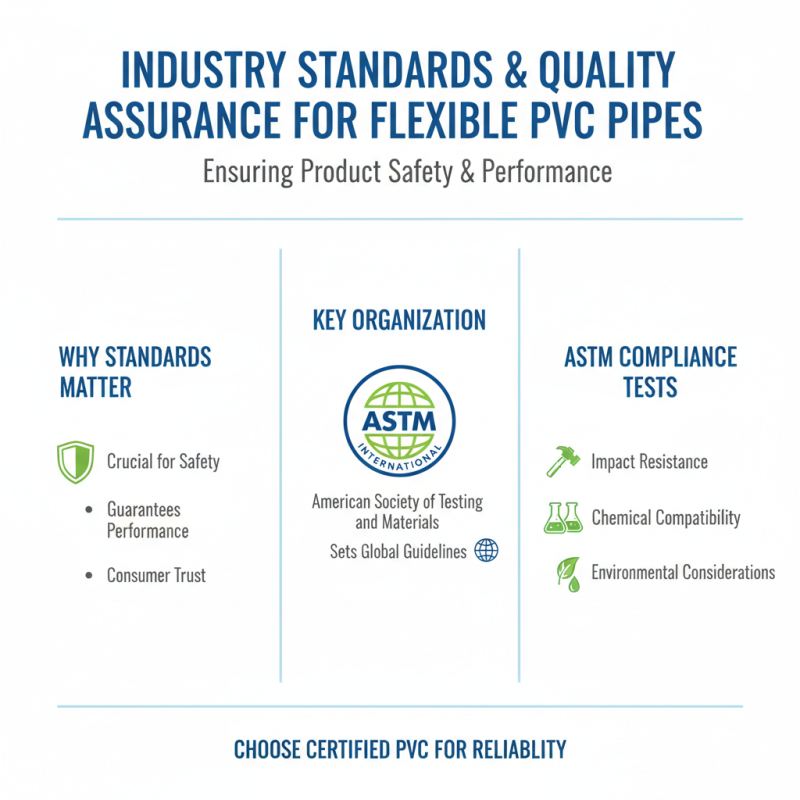
Industry Standards and Ratings for Quality Assurance in PVC Products
When choosing flexible PVC pipes, understanding industry standards is crucial. These standards ensure product safety and performance. The American Society for Testing and Materials (ASTM) sets guidelines that manufacturers must follow. Compliance with these standards tests for impact resistance, chemical compatibility, and environmental considerations.
Look for ratings that indicate durability and strength, like the pressure ratings defined by ASTM D1785. A pipe rated for higher pressure can often withstand more stress over time. The Plastic Pipe Institute also provides valuable insights into recommended applications for different grades of PVC. Their data suggests that using the right grade can prevent costly failures in the long run.
However, not all manufacturers adhere strictly to these standards. Some cheaper alternatives might not provide the same level of quality assurance. This variance can lead to unforeseen issues, such as leaks or pipe bursts. Buyers should verify certifications and seek transparent testing reports. Informed decisions require digging deeper into product specifications and understanding the potential risks.
Environmental Impact and Sustainability of Using Flexible PVC Pipes
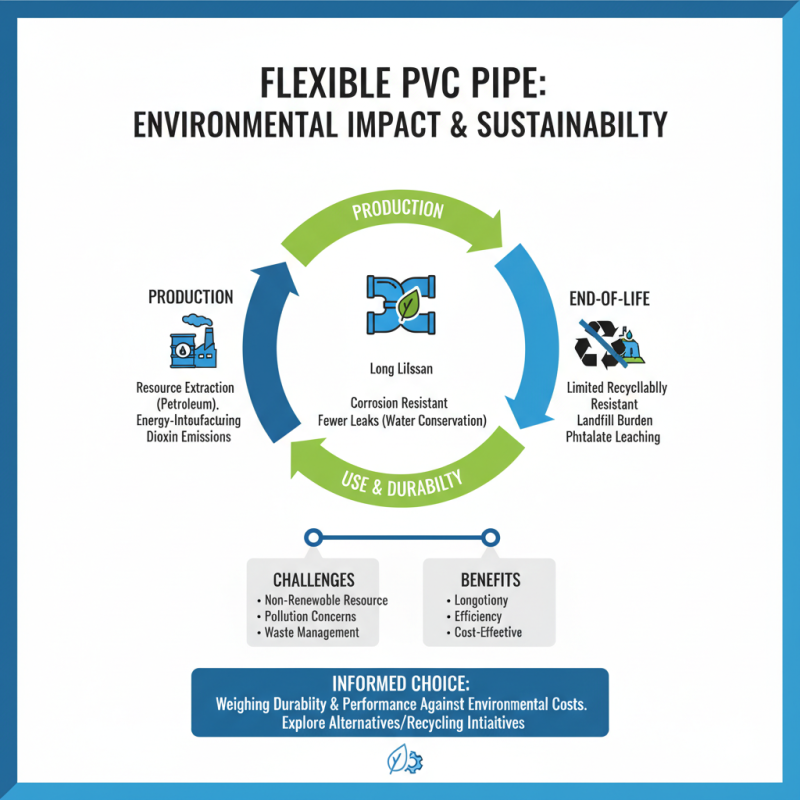
Flexible PVC pipes are a popular choice for various applications. However, their environmental impact warrants careful consideration. While PVC is durable and versatile, it poses challenges during production and disposal. Understanding these issues is critical for making informed decisions.
One significant concern is the release of harmful chemicals during production. These substances can affect both factory workers and the surrounding community. When pipes are disposed of improperly, they contribute to landfill waste. Thus, manufacturers are exploring more sustainable practices.
When purchasing flexible PVC pipes, consider their life cycle. Look for products that minimize harmful emissions. Research certifications that demonstrate environmental responsibility. Understanding the material's longevity and recyclability can inform your choice. Avoiding impulsive decisions will lead to better environmental outcomes. Strive for a balance between utility and sustainability.