How to Choose the Right CPVC Pipe for Your Plumbing Needs?
Choosing the right CPVC pipe for your plumbing needs can be challenging. CPVC pipes are popular for their durability and resistance to corrosion. Industry expert John Smith emphasizes the importance of understanding your specific requirements. He once stated, "Not all CPVC pipes are created equal; choosing the right one can make or break your plumbing system."
When selecting CPVC pipes, consider factors such as temperature, pressure ratings, and chemical resistance. Each application may demand unique specifications. It's easy to overlook these details, which could lead to costly mistakes later. A common pitfall is assuming all CPVC pipes will perform identically, but that is rarely the case.
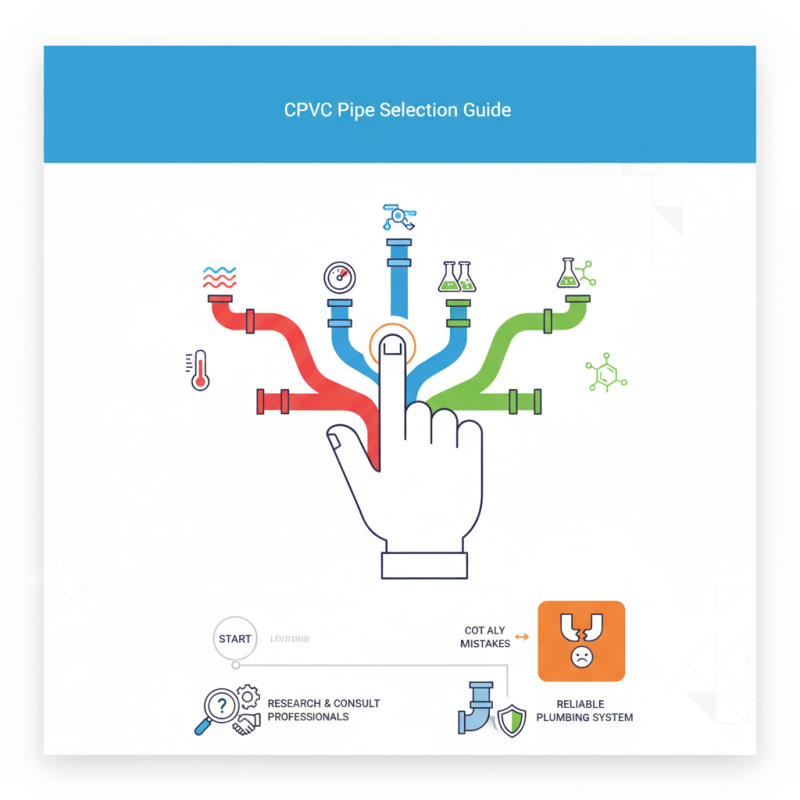
No one wants to deal with leaks or breakdowns. Understanding the nuances of CPVC pipe selection can prevent these issues. Some may find the plethora of options overwhelming. It's essential to take the time to research and consult with professionals. A well-informed choice leads to a more reliable plumbing system.
Understanding CPVC: Properties and Benefits for Plumbing Applications
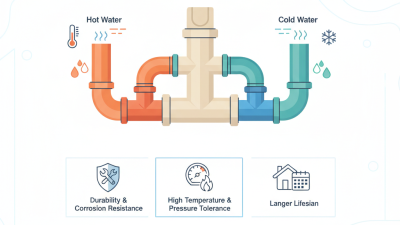
CPVC, or chlorinated polyvinyl chloride, is gaining popularity in plumbing. It offers several properties that make it ideal for piping systems. One key benefit is its resistance to corrosion. Unlike metal pipes, CPVC does not rust. This means a longer lifespan for your plumbing. Additionally, it withstands high temperatures up to 200°F. This heat resistance is crucial for hot water applications.
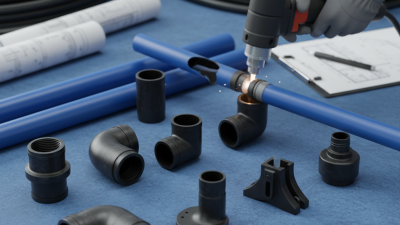
Another important aspect is its ease of installation. CPVC pipes are lightweight and easy to handle. You can cut them with simple tools. This may save time and labor costs. However, improper installation can lead to leaks. It’s essential to follow guidelines carefully.
CPVC is also chemically resistant, making it suitable for various fluids. Yet, not all chemicals are compatible. Always check compatibility to avoid issues. While it has many advantages, some might worry about its environmental impact. Consider long-term sustainability when choosing materials. Think about your plumbing needs and how CPVC fits into your project.
Assessing Pipe Sizing: How Diameter Affects Flow Rate and Pressure
When choosing CPVC pipes, understanding pipe sizing is critical. The diameter of a pipe directly influences both flow rate and pressure. A larger diameter allows for greater water flow but may lessen the pressure. Conversely, smaller pipes can boost pressure but restrict flow. It's essential to strike a balance based on your plumbing needs.
Consider your specific application. If you’re installing for high-demand fixtures, such as multiple showers or irrigation systems, a larger diameter is beneficial. However, a mistake can occur if the pipe size is improperly selected. Homeowners sometimes assume bigger is always better, but that can lead to inefficient water flow. A pipe that is too large will not maintain optimal pressure and may result in stale water.
Keep in mind the plumbing layout too. Long runs with many turns require careful planning. Each bend and fitting can reduce pressure, impacting overall flow. Many people overlook this detail. Choosing the right size and fitting can significantly enhance your system's performance and longevity. Measure twice, buy once!
How to Choose the Right CPVC Pipe for Your Plumbing Needs? - Assessing Pipe Sizing: How Diameter Affects Flow Rate and Pressure
| Pipe Diameter (inches) |
Flow Rate (GPM) |
Pressure Loss (psi/100 ft) |
Recommended Applications |
| 0.5 |
6 |
12 |
Low flow applications, small sink supply |
| 0.75 |
10 |
8 |
Residential and light commercial use |
| 1 |
20 |
6 |
Standard plumbing systems in homes |
| 1.5 |
40 |
4 |
Large plumbing systems and irrigation |
| 2 |
90 |
3 |
Heavy commercial and industrial applications |
Evaluating Temperature and Pressure Ratings for CPVC Pipes
Choosing the right CPVC pipe hinges on understanding temperature and pressure ratings. CPVC pipes are ideal for hot and cold water applications. They can handle high temperatures, often up to 200°F. However, keep in mind that temperature affects pressure ratings.
When determining the right pipe, check the maximum operating temperature. Higher temperatures reduce pressure tolerances. For example, at 180°F, the pressure rating drops significantly. This means your plumbing could fail if not matched correctly. Additionally, consider where the pipes will be installed. Indoor installations usually face fewer temperature fluctuations.
It’s easy to overlook these factors. Many think any CPVC pipe will do. But this carelessness can lead to failures. Always validate ratings before purchasing. Consult guidelines from relevant authorities. This could save you costly repairs later. Always prioritize the correct specifications; they might seem tedious at first. However, they are essential for your peace of mind.
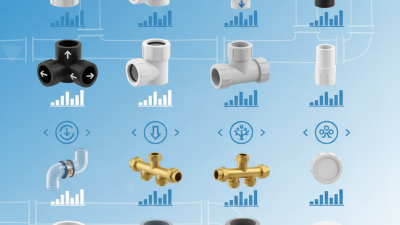
Choosing the Right Fittings and Components for CPVC Plumbing Systems
When choosing fittings and components for CPVC plumbing systems, attention to detail is crucial. One must consider the pipe's diameter, schedule, and application. For instance, a study from the Plastic Pipe and Fittings Association (PPFA) indicates that systems with the correct fitting sizes can reduce pressure losses significantly. Incorrect sizing can lead to leaks or burst pipes. Such failures often stem from hurried decisions or poor estimations, underscoring the importance of meticulous planning.
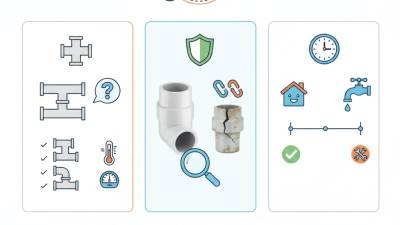
Compatibility is another key factor. Not all fittings work with every type of CPVC. Some might want to save money by using cheaper alternatives. However, mismatched components can lead to premature degradation. In a 2021 market report, researchers highlighted that 30% of plumbing failures were linked to using incompatible fittings. This statistic is a glaring reminder of why investments in quality components pay off in the long run. Proper seals and connections ensure system longevity and efficiency.
Finally, consider the installation process. Certain fittings require specific techniques for proper installation. Lack of understanding or mistakes can result in wasted materials and costs. It’s essential to have reliable resources or qualified professionals. Proper training is often overlooked but can prevent future problems. Ensuring that each component is not only selected but installed correctly is key to a successful CPVC plumbing system.
How to Choose the Right CPVC Pipe for Your Plumbing Needs
This bar chart illustrates the common usage of different CPVC pipe sizes in plumbing projects. The data indicates the frequency of selection among various sizes, reflecting their demand in real-world applications.
Comparing CPVC with Other Piping Materials: Cost and Durability Factors
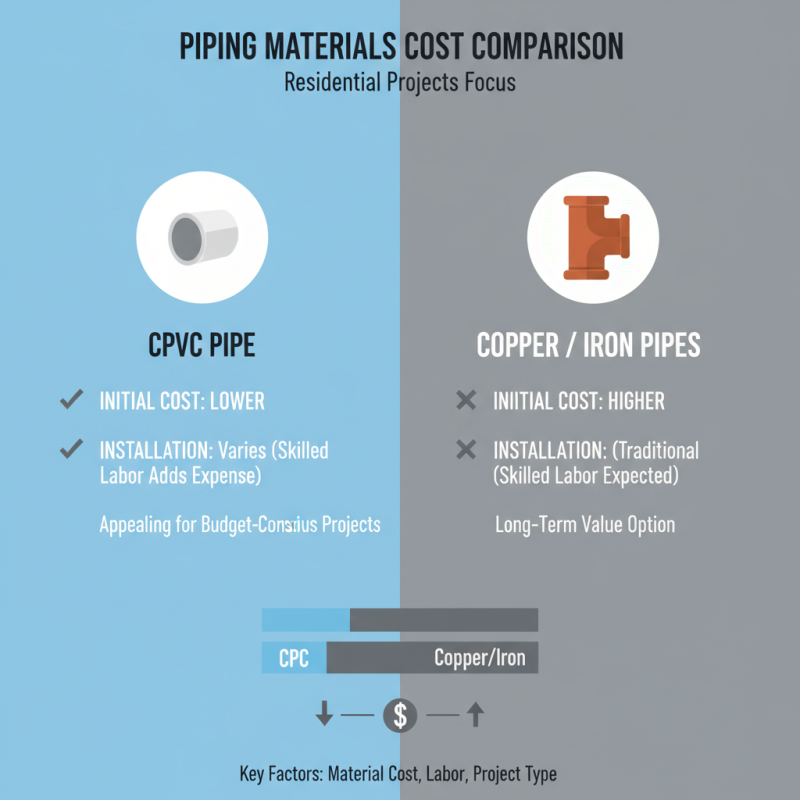
When choosing CPVC pipe, it's vital to compare it to other piping materials. Cost is a primary factor. CPVC pipes generally have a lower initial cost than metals like copper or iron. This makes them appealing for residential projects. However, installation costs can vary. Skilled labor is often necessary, which may inflate overall expenses.
Durability is another key aspect. CPVC is resistant to corrosion and scaling, which gives it an edge. However, it may not withstand high temperatures as well as some other materials. Users must consider this when planning their plumbing. While CPVC can last decades, extreme conditions may lead to failure. It’s essential to assess the environment your pipes will face.
Additionally, flexibility is a major benefit of CPVC. It can bend around obstacles without breaking. Yet, this flexibility can also be a downside. Improper handling might lead to cracks or leaks. The balance between cost and durability should guide your choice. Evaluating your specific plumbing needs will aid in making the right decision.