The 10 Best Pipe Manufacturers You Should Know?
When it comes to choosing the right materials for construction and plumbing, understanding the best pipe manufacturers is essential. Quality pipes ensure durability and reliability in various applications. This is crucial for industries relying on water, gas, or other essential services.
Over the years, many pipe manufacturers have gained recognition for their innovation and quality. Each has its strengths, from specialized materials to unique manufacturing techniques. However, not all options are perfect. Some manufacturers may cut corners, leading to inconsistencies in product quality.
It’s worth reflecting on the importance of choosing wisely. Selecting the right pipe manufacturer affects long-term performance. Familiarizing yourself with the industry's top players can help you make informed decisions. Let’s delve into the ten best pipe manufacturers, highlighting their qualities and areas for improvement.
The Importance of Quality in Pipe Manufacturing: An Overview
In pipe manufacturing, quality is crucial. Pipes are used in various industries, including construction and plumbing. Quality affects durability and performance. A well-made pipe ensures safety and efficiency. Conversely, poor-quality pipes can lead to leaks and failures.
Material choice greatly influences quality. Different materials have unique properties. Manufacturers must understand these properties to produce reliable pipes. Each material requires specific handling and processing techniques. This knowledge is essential for optimal results. Additionally, inconsistent manufacturing practices can lead to defects. A thorough quality control process is vital.
Inspections during production are often overlooked. Regular checks can catch issues early. Waiting until the end of production can be too late. A single defect can compromise an entire project. The importance of maintaining standards cannot be overstated. Ultimately, ignoring quality can be a costly mistake. It may require full replacements or extensive repairs later, impacting project timelines and budgets.
Top Industries That Rely on Elite Pipe Manufacturers Today
In today's industrial landscape, certain sectors heavily depend on high-quality pipe manufacturers. Oil and gas, for example, are vital fields requiring durable pipelines. These pipes transport critical resources across vast distances, often under extreme conditions. The reliability of these manufacturers is paramount. It can be unsettling when quality falters, leading to leaks or failures.
Another key sector is construction. Pipes in residential and commercial buildings must meet rigorous standards. They handle water, gas, and even sewage. A single failure could lead to significant problems, including hazardous situations. The pressure on manufacturers to deliver consistent quality is immense.
Manufacturers in the agricultural sector also play an important role. They provide irrigation systems essential for crop production. Poor-quality pipes can lead to water waste and negatively impact yields. Ensuring the integrity of these products is a continuous challenge. It's a balancing act between innovation and reliability that needs constant attention.
The 10 Best Pipe Manufacturers You Should Know
| Manufacturer Type |
Material Proficiency |
Applications |
Production Capacity (Tons/Year) |
Geographical Reach |
| Steel Pipes |
Carbon Steel, Stainless Steel |
Oil & Gas, Construction |
100,000 |
Global |
| Plastic Pipes |
PVC, HDPE |
Water Supply, Drainage |
200,000 |
Regional |
| Copper Pipes |
Copper |
HVAC, Plumbing |
50,000 |
North America, Europe |
| Fiberglass Pipes |
Fiberglass |
Chemical Processing |
75,000 |
International |
| Ductile Iron Pipes |
Ductile Iron |
Water Distribution |
150,000 |
National |
| Composite Pipes |
Various Composites |
Telecommunications |
30,000 |
Asia, Europe |
| Aluminum Pipes |
Aluminum |
Aerospace, Automotive |
20,000 |
North America |
| Reinforced Concrete Pipes |
Concrete |
Stormwater Management |
120,000 |
National |
| Pex Pipes |
Pex |
Residential Plumbing |
80,000 |
North America |
| Welded Steel Pipes |
Welded Steel |
Construction, Infrastructure |
90,000 |
International |
Key Factors in Evaluating the Best Pipe Manufacturers
When assessing pipe manufacturers, several key factors come into play. Quality assurance is paramount. According to a 2021 industry report, 75% of manufacturing defects can be attributed to inadequate quality control processes. This means that manufacturers must implement stringent testing methods to ensure their products meet industry standards. Consistency in performance can separate the best from lesser competitors.
Material sourcing also significantly affects the product's durability. A study revealed that pipes made from high-quality materials can last up to 50 years longer than those made from subpar options. Manufacturers need to be transparent about their material sourcing. Understanding the life cycle of the raw materials can help buyers make informed decisions. Deceptive practices in this area can lead to serious long-term issues.
Finally, customer service quality cannot be overlooked. A manufacturer’s responsiveness can greatly influence project timelines. A survey indicated that companies with strong customer service see a 40% increase in client retention rates. This reflects the importance of developing robust communication channels and being proactive in addressing client needs. Delays can be frustrating, and poor service can tarnish a manufacturer’s reputation.
The 10 Best Pipe Manufacturers You Should Know
This chart illustrates the production capacity of various pipe manufacturers, highlighting key factors that contribute to their reputation in the industry.
Latest Industry Trends Impacting the Pipe Manufacturing Companies
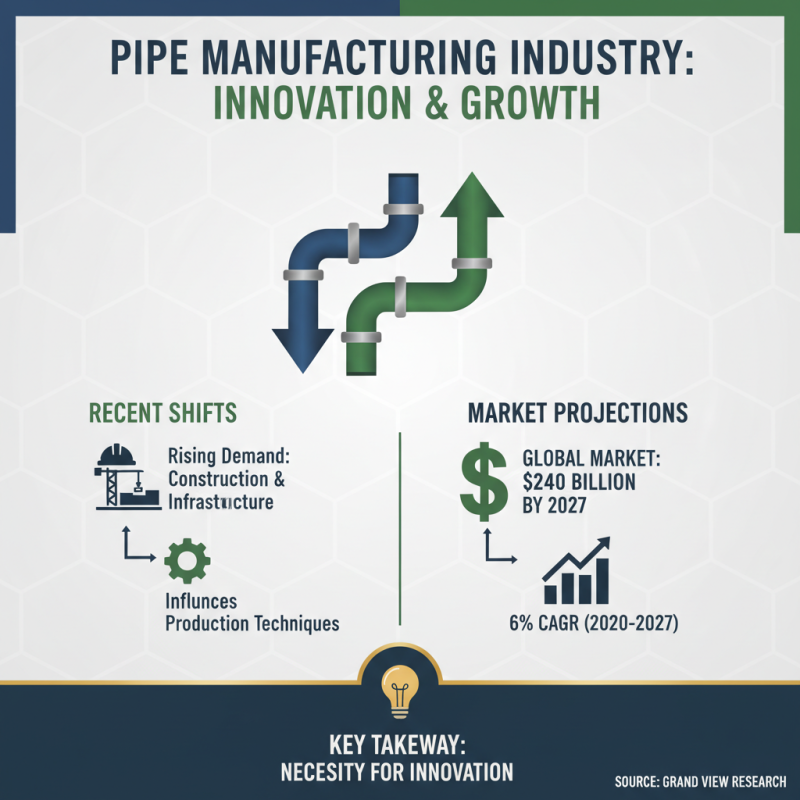
The pipe manufacturing industry has witnessed significant changes recently. Rising demand from construction and infrastructure projects influences production techniques. According to a recent report by Grand View Research, the global pipe market is projected to reach $240 billion by 2027, with a compound annual growth rate of about 6%. This growth highlights the necessity for manufacturers to innovate.
Sustainability is a crucial trend impacting pipe production. Many companies are shifting to eco-friendly materials. The use of recycled plastics has increased by 15% in the last five years. Manufacturers need to invest in research. The right innovations can reduce waste while optimizing durability. However, balancing cost-effectiveness with sustainability remains challenging.
Labor shortages also affect the industry. Skilled workers are in high demand but difficult to find. According to the Bureau of Labor Statistics, the manufacturing sector may face a shortfall of 2.1 million jobs by 2030. Companies must rethink training programs and attract new talent. Engagement with the workforce is vital for future success. Addressing these issues is not easy, but it's necessary for thriving in a competitive market.
Statistical Insights: Pipe Production and Market Growth Rates
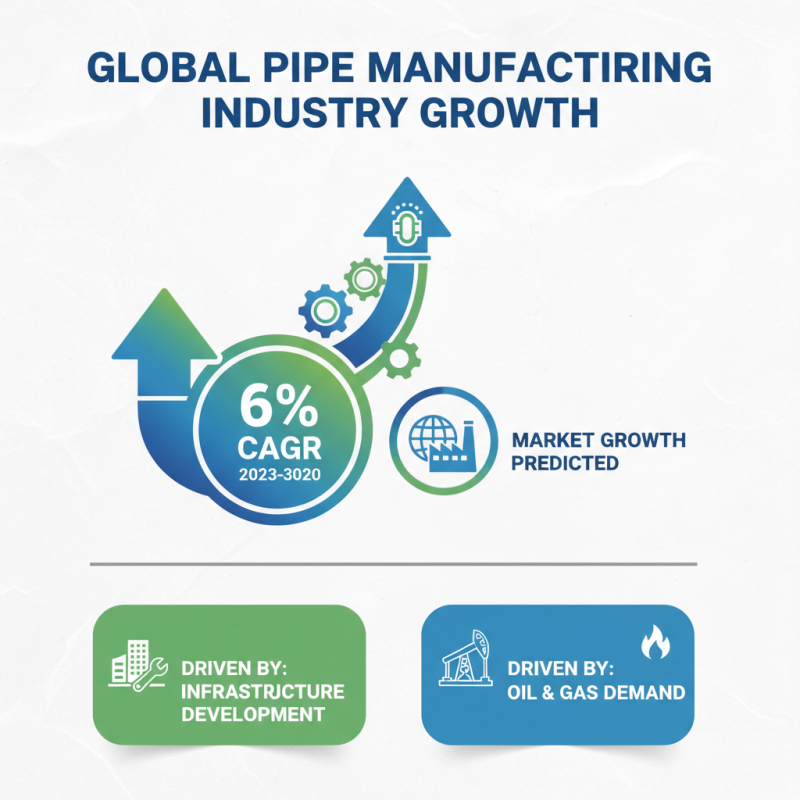
The global pipe manufacturing industry is undergoing significant changes. According to recent reports, the market is predicted to grow at a compound annual growth rate (CAGR) of approximately 6% from 2023 to 2030. This surge is driven by various factors, including infrastructure development and rising demand in the oil and gas sector.
In 2022, approximately 250 million tons of pipes were produced worldwide. A large portion was dedicated to the construction and water supply industries. Concrete and plastic pipes dominate, yet there is a growing interest in innovative materials. Smart pipes, for instance, can monitor conditions in real-time. However, many manufacturers are not yet equipped for this technological shift, which presents a gap.
One must question the sustainability of this rapid growth. Production processes often rely on non-renewable resources. Environmental regulations are becoming stricter. The industry must adapt. Investments in cleaner technologies are crucial. But can manufacturers keep pace with both demand and sustainability goals? These are questions without clear answers in today's market landscape.