What is a 2 PVC Pipe and How is it Used in Plumbing Projects?
In the realm of plumbing, the 2 PVC pipe holds a significant place. According to industry reports, PVC pipes account for around 70% of plumbing materials used worldwide. The 2 PVC pipe, in particular, is favored for its durability and versatility. It is commonly used in a variety of applications, from residential plumbing to irrigation systems.
PVC pipes are lightweight and resistant to corrosion and chemicals. These features make them suitable for transporting water and other fluids. However, mistakes can happen. Improper installation can lead to leaks and system failures. The need for skilled labor in plumbing projects cannot be overstated. Recent studies show a marked increase in plumbing errors due to inexperienced workers.
Moreover, the environmental impact of PVC production is under scrutiny. While PVC pipes generally last long, concerns about their lifecycle and recyclability are rising. This awareness prompts a reflection on the balance between utility and sustainability. As we explore the usage of 2 PVC pipes, it is crucial to consider these factors and strive for improvement in practices.
What is a 2 PVC Pipe?
A 2-inch PVC pipe is a common component in plumbing. It’s made from polyvinyl chloride, a durable plastic. This type of pipe is resistant to corrosion and chemicals, making it ideal for various applications. Homeowners often use it for drain, waste, and vent systems. In addition, it’s lightweight and easy to handle.
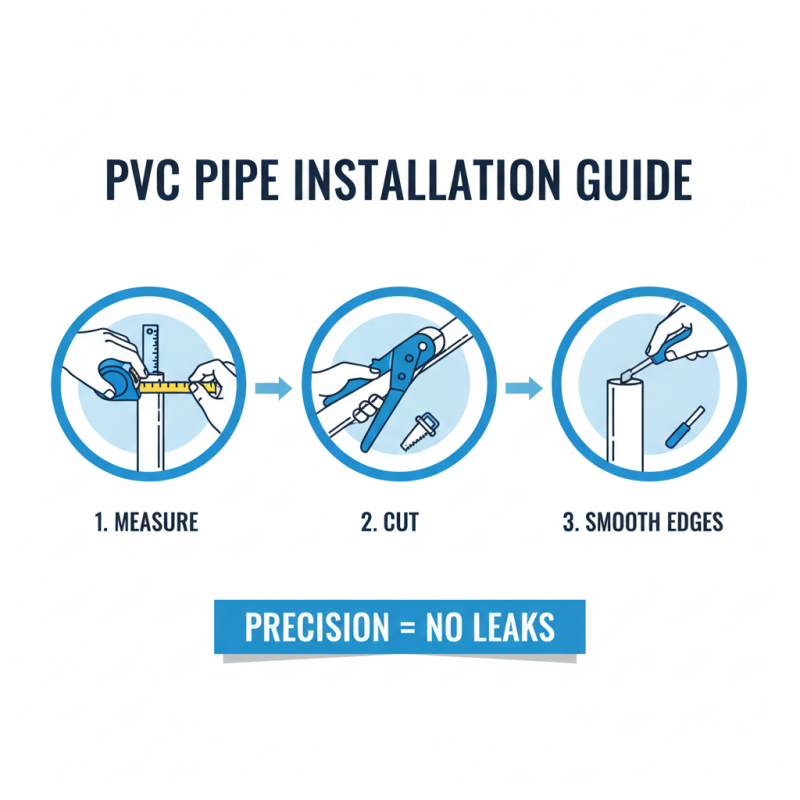
Installing a 2-inch PVC pipe requires some know-how. Proper cutting and joining are crucial for leaks. Measure twice to avoid mistakes. Using the right fittings ensures a tight seal. Sometimes, DIY enthusiasts overlook these details and end up with problems later. The cost-effectiveness of PVC makes it appealing, but quality installation is vital.
In plumbing projects, the right pipe size matters. A 2-inch diameter is usually sufficient for residential drainage. However, some might underestimate flow requirements, leading to clogs. Always consider the water flow when planning installations. It’s better to invest time in planning than to deal with issues down the line. Keep in mind that even simple tasks require careful thought.
Characteristics and Specifications of 2 PVC Pipe
When discussing the characteristics and specifications of 2 PVC pipe, a few key aspects come to mind. This type of pipe is commonly used in plumbing projects. It has a diameter of 2 inches and is lightweight and easy to handle. The pipe is also resistant to corrosion and chemical damage. This durability makes it a popular choice for various applications.
One critical feature of 2 PVC pipe is its pressure rating. Most standard pipes can handle pressures up to 280 PSI. This pressure capacity makes them suitable for both residential and commercial plumbing systems. Additionally, 2 PVC pipes are typically rated for high-temperature applications. They can withstand temperatures up to 140 degrees Fahrenheit without degrading.
Tips: Always measure the pipe before cutting. A slight miscalculation can lead to wasted materials. When joining pieces, use appropriate adhesives and fittings. These methods improve longevity and ensure proper flow.
2 PVC pipes also come in various lengths, generally ranging from 10 to 20 feet. However, not all lengths are ideal for every project. Sometimes, you may need to join several pieces. Make sure to cut cleanly for a better seal. Joints that don't align properly can lead to leaks down the road.
Characteristics and Specifications of 2" PVC Pipe
Common Uses of 2 PVC Pipe in Plumbing Projects
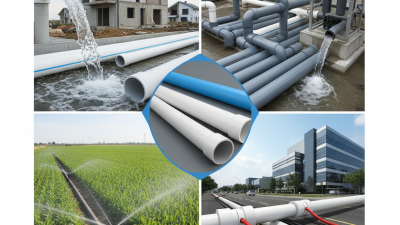
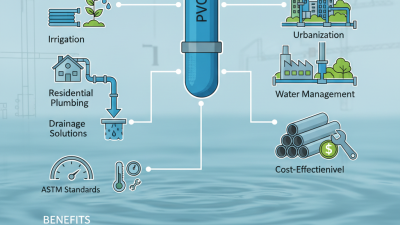
The 2 PVC pipe is a common choice in plumbing projects. Its versatility makes it an essential tool for various applications. Plumbers use this pipe for drainage systems, venting, and water supply lines. The 2-inch diameter fits well in many residential and commercial settings. Contractors often prefer its lightweight nature, making transportation easy.
In drainage systems, the 2 PVC pipe helps carry wastewater away from homes. It connects different fixtures like sinks and showers to the main sewer line. This pipe also plays a key role in venting. Proper venting is crucial for maintaining air pressure in plumbing systems. Without it, drainage might become slow or noisy.
Some might overlook the importance of proper fittings and seals. Incorrect installation can lead to leaks. These leaks sometimes become noticeable only after walls and ceilings are closed up. This creates issues for homeowners and contractors alike. Always consider the long-term effects of your pipeline choices. Proper planning can save time and money. It’s wise to think ahead about maintenance needs.
What is a 2 PVC Pipe and How is it Used in Plumbing Projects?
| Feature |
Description |
| Diameter |
2 inches |
| Material |
Polyvinyl Chloride (PVC) |
| Common Uses |
Drainage, Waste, Vent (DWV) systems |
| Joining Method |
Solvent welding with PVC cement |
| Advantages |
Corrosion resistance, lightweight, and easy to install |
| Limitations |
Not suitable for hot water applications |
| Maintenance |
Regular inspections for leaks or cracks |
| Installation Considerations |
Must be properly supported to prevent sagging |
Installation Techniques for 2 PVC Pipe
When working with 2 PVC pipe, proper installation techniques are crucial for success. First, measure the lengths required for your project. Precision prevents waste. Cut the pipe using a pipe cutter or a saw. Ensure the edges are smooth. Sharp edges can cause leaks.
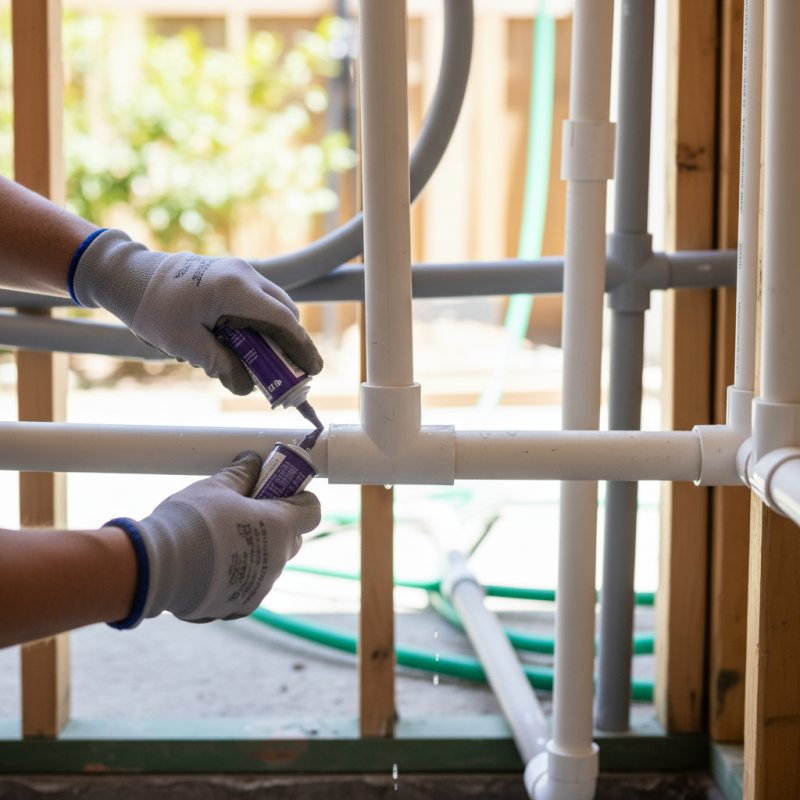
Next, cleaning is vital. Use a primer to prepare the ends before applying solvent cement. This step ensures a strong bond. Apply a uniform layer of cement. Push the pipe into the fitting quickly. A twist can help, but don't overdo it. Proper alignment is necessary for stability.
After installation, allow ample time for the cement to cure. Rushing this process may lead to weak joints. Check for alignment again. A small misalignment can cause significant issues later. If mistakes occur, be ready to cut and redo sections. It’s all part of the process. Every detail counts in plumbing projects.
Advantages and Limitations of Using 2 PVC Pipe in Plumbing
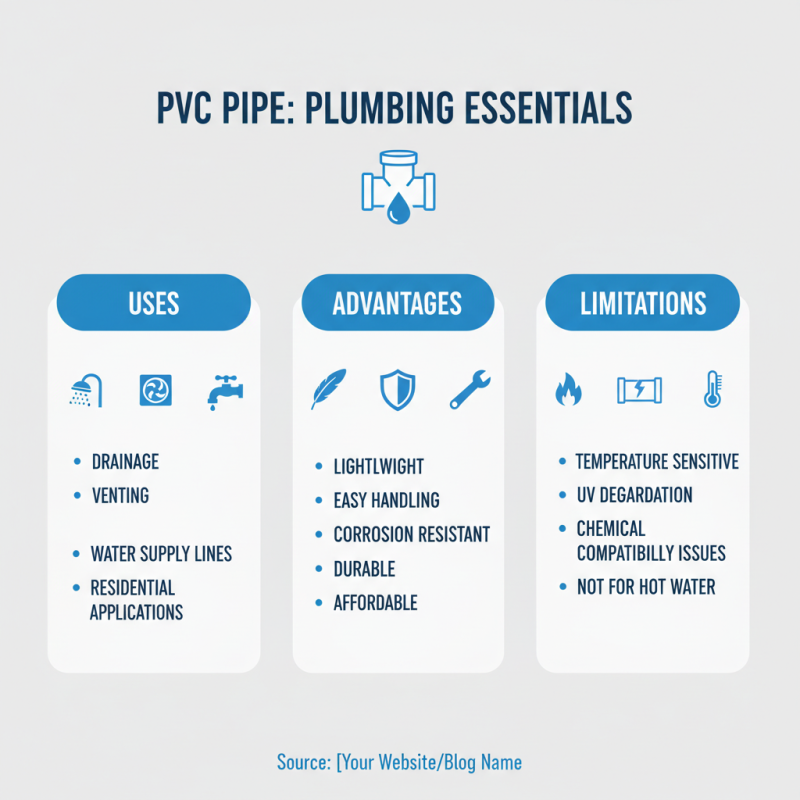
The 2 PVC pipe is a popular choice for various plumbing projects. It offers a lightweight construction, which makes it easy to handle and install. Its durability is commendable, resisting corrosion and decay better than metal alternatives. This pipe is often used for drainage, venting, and water supply lines in residential applications. However, despite its benefits, there are limitations that users should keep in mind.
One notable advantage is its cost-effectiveness. 2 PVC pipes are generally affordable, making them an appealing option for DIY projects. They are also easy to cut and join, reducing labor time. Yet, heat exposure can be problematic. High temperatures may warp the pipe. Moreover, while the smooth surface prevents buildup, it does require proper support. Without enough braces, longer runs may sag or bend over time.
While 2 PVC pipes are versatile, they are not suitable for all situations. For instance, they cannot be used for hot water applications without using special fittings. Additionally, some areas may have building codes limiting their use. This highlights the importance of researching local regulations. Being informed can prevent future issues. Therefore, while they offer many benefits, weighing these against potential drawbacks is crucial when selecting this piping for plumbing projects.