How to Use Black PVC Pipe for Plumbing and DIY Projects
Black PVC pipe is a versatile material that has gained popularity in plumbing and various DIY projects due to its durability and ease of use. Unlike traditional PVC pipes, black PVC pipe is often used for filtration, drainage, and certain plumbing applications, making it a unique choice for both professional and amateur builders. Understanding how to properly utilize black PVC pipe can enhance your plumbing systems, improving efficiency while offering a cost-effective solution for your projects.
When working with black PVC pipe, it is crucial to recognize its specific applications and installation techniques. Whether you're embarking on a home plumbing upgrade, creating custom irrigation systems, or engaging in creative DIY endeavors, knowing how to handle black PVC pipe can streamline your processes and result in superior outcomes. In this article, we will explore the characteristics, benefits, and practical uses of black PVC pipe, equipping you with the knowledge needed to make informed decisions for your next plumbing or DIY project. From proper cutting and joining methods to safety considerations, mastering the use of black PVC pipe will enable you to successfully tackle a wide array of projects.
Understanding Black PVC Pipe: Properties and Applications
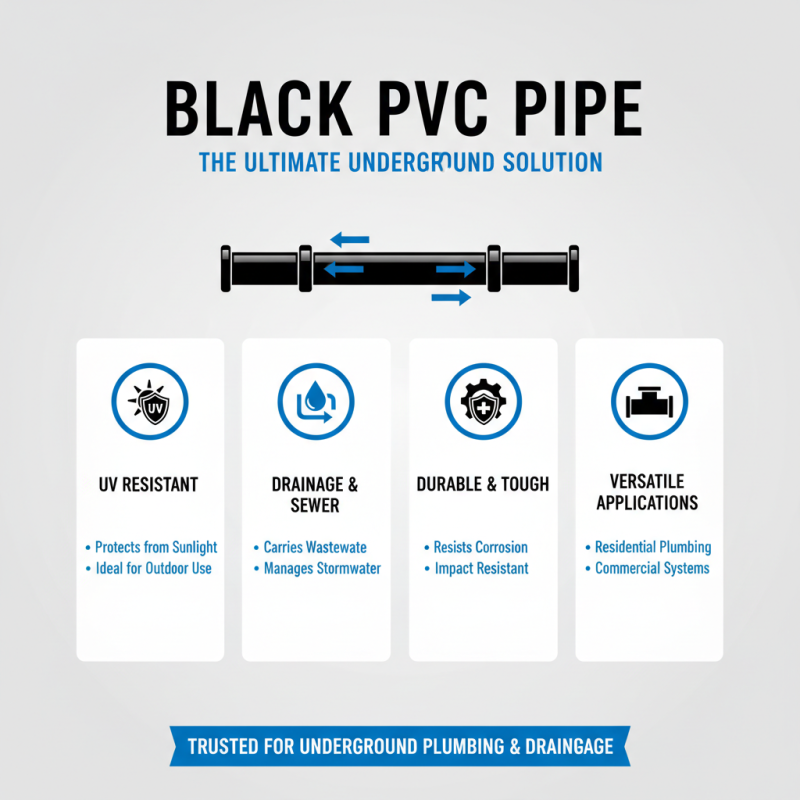
Black PVC pipe, also known as drainage or sewer pipe, is primarily made from polyvinyl chloride but is designed specifically for underground applications. Its dark coloration helps protect it from ultraviolet light, making it suitable for outdoor use where exposure to sunlight is a concern. With a durable build that resists corrosion and impacts, black PVC pipe is ideal for carrying wastewater, stormwater, and even for certain chemical applications. This versatility allows it to be integrated into various plumbing and drainage systems in both residential and commercial settings.
In addition to its functional properties, black PVC pipe offers ease of installation which appeals to DIY enthusiasts. The lightweight nature of the material allows for simple handling, while the socket fittings facilitate quick assembly without the need for special tools. Furthermore, its rigid structure provides reliable support when buried underground, ensuring longevity in waste management systems. Understanding the unique properties and applications of black PVC pipe enables homeowners and builders to utilize it effectively in projects ranging from irrigation systems to sewage installations, contributing to efficient and sustainable plumbing solutions.
Essential Tools and Materials for Working with Black PVC Pipe
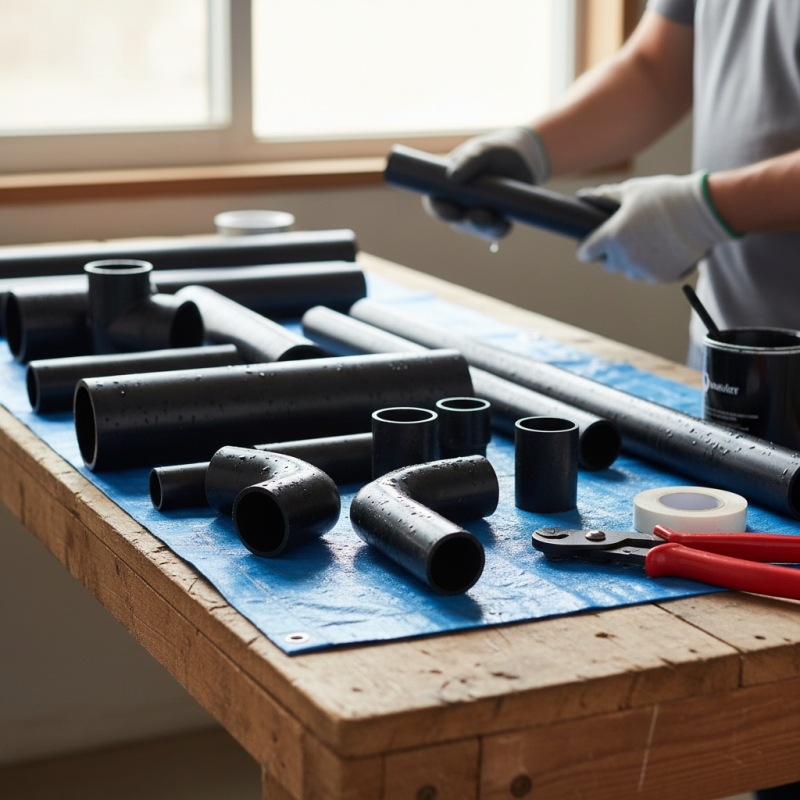
When working with black PVC pipe for plumbing and DIY projects, having the right tools and materials is crucial for success. Essential tools include a PVC cutter, which simplifies the cutting process and ensures clean edges. According to industry data, the use of proper cutting tools can increase efficiency by up to 30%, significantly reducing time spent on preparation. Additionally, a deburring tool is important for smoothing out cut edges, preventing potential leaks when joints are assembled.
In terms of materials, high-quality solvent cement is necessary for creating strong, durable joints. Research indicates that using the right type of solvent can enhance the bond strength by 50% compared to lower-quality options. Furthermore, incorporating primer prior to application not only prepares the surface but also promotes optimal adhesion, which is vital for long-lasting installations. Alongside these materials, proper safety gear, such as gloves and goggles, should never be overlooked, as they are essential for ensuring personal safety during DIY projects involving PVC pipes.
Step-by-Step Guide to Cutting and Joining Black PVC Pipe
When working with black PVC pipe, cutting and joining the pieces correctly is crucial for a successful plumbing or DIY project. Start by gathering your tools, which typically include a pipe cutter or saw, measuring tape, a marker, and appropriate solvent cement. Measure the length of pipe needed for your project and mark it clearly; precision is key to ensure there are no unnecessary gaps or leaks.
Once you have your measurements, use a pipe cutter for a clean cut, or a saw if that's your preferred method. Ensure that the cut is straight to maintain the integrity of the joint. After cutting, it's important to smooth the edges of the pipe using a file or sandpaper to remove any burrs, as this helps create a better seal when joining.
To join the pieces, apply a primer to the ends of the pipes and the fittings you're using, then follow with an even coat of solvent cement. Quickly push the pieces together, giving them a slight twist to ensure an even distribution of the cement. Hold them firmly for a few seconds to allow the bond to form. Make sure to follow the manufacturer's curing time guidelines before testing the connection, ensuring your project is secure and leak-free.
Common Plumbing Projects Using Black PVC Pipe
One of the most practical applications of black PVC pipe in plumbing is for drainage systems. Black PVC, often used for sewer and drain lines, provides high resistance to corrosion, which ensures longevity and durability. According to a report by the Plastics Pipe Institute, PVC pipes can last over 100 years with proper installation and maintenance. This makes them an excellent choice for underground applications where protection from environmental factors is essential. Additionally, the smooth interior of PVC pipes reduces friction, improving flow rates, which is particularly beneficial in wastewater systems.
Another common project involves creating irrigation systems using black PVC pipe. As reported by the Irrigation Association, efficient water management is crucial, and using PVC can help reduce water wastage by delivering irrigation precisely where it's needed. The versatility and ease of assembly of black PVC pipes allow DIY enthusiasts to design custom irrigation layouts for gardens and landscapes. Utilizing tees, elbows, and couplings, homeowners can easily create complex water delivery systems that distribute moisture efficiently to various plant zones, ultimately promoting healthier plant growth while conserving resources.
How to Use Black PVC Pipe for Plumbing and DIY Projects - Common Plumbing Projects Using Black PVC Pipe
| Project Name |
Description |
Tools Required |
Estimated Cost |
| Drainage System |
Installing a drainage system for yard runoff. |
PVC Cutter, Shovel, Level |
$150 |
| Irrigation System |
Setting up a garden irrigation system. |
Drill, Pipe Wrench, Sprinklers |
$100 |
| Water Feature |
Creating a pond or fountain using PVC. |
Saw, PVC Glue, Water Pump |
$200 |
| Wastewater Treatment |
DIY greywater system for recycling water. |
PVC Pipe, Filters, Storage Tank |
$300 |
| Aquaponics System |
Building a self-sustaining fish and plant system. |
Cutting Tool, Glue, Pumps |
$250 |
Tips for Ensuring a Successful DIY Project with Black PVC Pipe
When embarking on a DIY project using black PVC pipe, understanding proper installation techniques is essential for success. According to the American Society of Plumbing Engineers, PVC pipes composed of polyvinyl chloride can last over 50 years when installed correctly, making them a sturdy choice for various applications. Start by measuring your project area meticulously and cutting the pipes with a specialized saw to avoid unnecessary stress points. Additionally, using primer before adhesive application creates a stronger bond, significantly reducing the chances of leaks, which can be a common concern.
Another crucial aspect to consider is ensuring the appropriate pipe size and fitting type for your specific plumbing project. The 2020 Plumbing Industry Market Analysis indicated that improper sizing could lead to system failures, resulting in costly repairs. Incorporate thorough planning, and consult local plumbing codes to confirm compliance with regulations.
Lastly, while working with black PVC, it is advisable to wear gloves and safety goggles to protect against chemical exposure from adhesives. By prioritizing these tips, you can achieve a successful and long-lasting installation with black PVC pipe, enhancing both the efficiency and aesthetics of your project.