Top Trends in Polyethylene Pipe for 2025 You Need to Know
As the construction and infrastructure sectors continue to evolve,
polyethylene pipes have emerged as a key player in ensuring efficient water
and gas distribution, drainage systems, and various industrial applications. According to industry expert
Dr. John McAllister, a leading authority in polymer engineering,
“The advancements in polyethylene pipe technology are set to redefine standards for durability and sustainability in the years to come.”

In light of this, the trends shaping the future of polyethylene pipe in 2025 are not only innovative but also
crucial for meeting the demands of a growing population
and increasing environmental consciousness. From enhanced structural designs to the integration of
smart technologies, these developments promise to
optimize performance while addressing pressing challenges such as climate change and resource scarcity.
By exploring these pivotal trends in polyethylene pipe, we can better understand how this versatile material
will play a significant role in various applications, paving the way for safer,
more efficient, and environmentally friendly systems in
the near future. As we approach 2025, it is essential
for stakeholders to stay informed and adapt to these changes to harness the full potential of polyethylene
pipe technology.
Emerging Technologies in Polyethylene Pipe Manufacturing for 2025
The landscape of polyethylene pipe manufacturing is poised for significant transformation in 2025, driven by emerging technologies that enhance efficiency and sustainability. One of the key advancements is the integration of automation and artificial intelligence in production processes. These technologies facilitate real-time monitoring and adjustments, resulting in superior quality control and reduced waste. Additionally, smart manufacturing techniques allow for predictive maintenance, minimizing downtime and optimizing productivity in polyethylene pipe plants.
Another promising trend is the development of new materials and blends that improve the performance characteristics of polyethylene pipes. Innovations in additives and compounds are creating pipes that are not only more durable but also resistant to environmental stress and chemical degradation. Furthermore, the rise of eco-friendly production methods, including the use of recycled materials, is synergizing with sustainability goals, creating pipes that reduce environmental impact while meeting rigorous industry standards. These advancements underscore a pivotal shift towards a more sustainable and technologically advanced polyethylene pipe manufacturing sector in 2025.
Sustainability Initiatives Driving Polyethylene Pipe Innovations
As sustainability becomes a cornerstone of modern industrial practices, innovations in polyethylene pipe are at the forefront of environmentally responsible solutions. The increasing demand for eco-friendly materials has prompted manufacturers to rethink their production processes and explore novel recycling techniques. Advances in bioplastics and the introduction of post-consumer recycled polyethylene are revolutionizing the market, allowing for pipes that not only meet performance standards but also reduce environmental impact.
Moreover, sustainability initiatives are not limited to materials alone; they extend to the entire lifecycle of polyethylene pipes. Innovations in installation and maintenance practices are being developed to minimize waste and energy consumption throughout the pipe's lifespan. Smart technology integration, such as sensors for real-time monitoring, is also aiding in the early detection of leaks, thus conserving valuable resources. As companies continue to prioritize sustainability, the polyethylene pipe industry is poised for significant expansion, marking a crucial step towards a greener future.
Top Trends in Polyethylene Pipe Innovations for 2025
This chart illustrates the anticipated trends in polyethylene pipe innovations driven by sustainability initiatives. Key focus areas include the increase in recycled content usage, the implementation of water-saving technologies, and enhanced durability features.
Market Trends Influencing Polyethylene Pipe Demand in 2025

In 2025, several market trends are expected to shape the demand for polyethylene pipes significantly. One of the foremost trends is the increasing focus on sustainable infrastructure and environmental regulations that favor materials like polyethylene due to their recyclability and lower carbon footprint. As governments and organizations around the globe prioritize eco-friendly practices, the demand for polyethylene pipes is set to rise, particularly in
water distribution and waste management systems.
Additionally, the growing investment in smart water management systems will further drive the demand for polyethylene pipes. These advanced systems require reliable and innovative piping solutions to support functionalities such as leak detection, pressure monitoring, and enhanced durability. The ability of polyethylene pipes to handle these needs, while being cost-effective and low-maintenance, will position them as a preferred choice in various sectors, including
agriculture, construction, and municipal projects. Overall, these trends illustrate the evolving landscape of the polyethylene pipe market, indicating a shift towards more sustainable and technologically advanced solutions.
Regulatory Changes Impacting the Polyethylene Pipe Industry
The polyethylene pipe industry is poised for significant changes due to evolving regulatory landscapes, particularly influenced by the Environmental Protection Agency's (EPA) recent proposals. The agency aims to relax certain chemical regulations, including redefining the 'weight of scientific evidence' in assessing risks. This shift could affect how polyethylene pipes, especially HDPE (high-density polyethylene) pipes, are evaluated for safety and compliance in water, gas, and chemical distribution networks.
With HDPE pipes projected to reach a market value of USD 25.68 billion by 2029, industry players must stay abreast of these regulatory adjustments. Ensuring compliance with rigorous inspection methods, such as guided wave ultrasonic tests, will be crucial. The increased demand for plastic pipes driven by infrastructure projects reinforces the importance of understanding the impacts these regulatory changes might have on industry operations.
**Tips:** Consider reviewing your compliance protocols in light of potential regulatory shifts. Engaging with industry experts to stay informed about EPA proposals can also help anticipate changes in market dynamics. Additionally, promoting the use of lead-free plumbing components in accordance with the Safe Drinking Water Act can enhance your company’s reputation and assure consumers of safety in infrastructure developments.
Top Trends in Polyethylene Pipe for 2025 You Need to Know - Regulatory Changes Impacting the Polyethylene Pipe Industry
| Trend |
Impact Area |
Expected Change |
Implementation Timeline |
| Increased Demand for Recyclable Materials |
Sustainability Practices |
Production shift towards recyclable PE options |
2023 - 2025 |
| Advanced Manufacturing Techniques |
Production Efficiency |
Reduction in material waste |
2024 - 2025 |
| Smart Pipeline Solutions |
Infrastructure Monitoring |
Improved detection of leaks and maintenance needs |
2025 |
| Regulatory Compliance Enhancements |
Safety Standards |
New guidelines for material safety and environmental impact |
2023 - 2025 |
| Expansion of PE Pipe Applications |
Industry Adaptation |
Broader usage in agriculture and infrastructure |
2024 - 2025 |
Future Applications of Polyethylene Pipe in Various Sectors
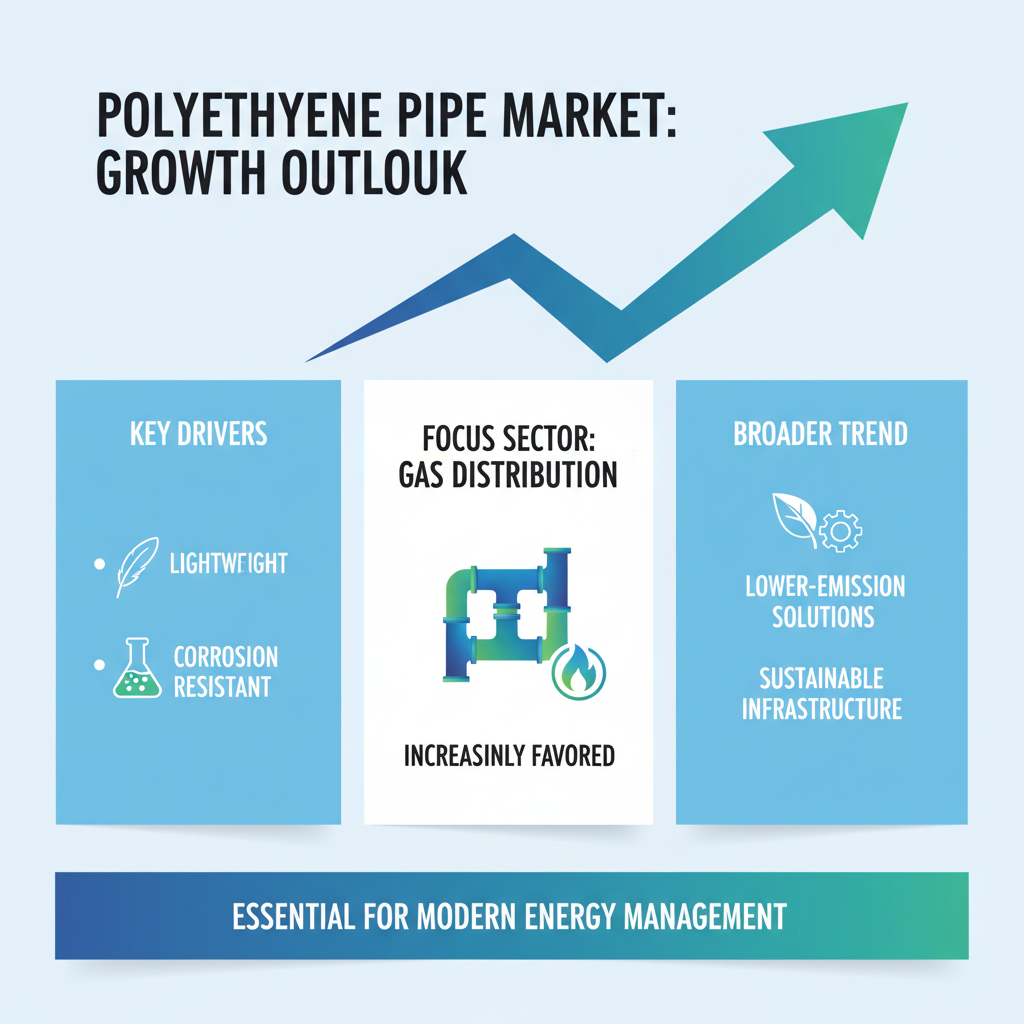
The polyethylene pipe market is set for substantial growth, with applications spanning various sectors. Particularly notable is the projected expansion in the gas distribution industry, where polyethylene pipes are increasingly favored due to their lightweight properties and resistance to corrosion. This trend aligns with the broader industry movement towards lower-emission solutions, positioning polyethylene pipes as essential components in sustainable infrastructure and energy management.
In addition to gas distribution, the versatility of polyethylene pipes is driving their adoption across other industries such as agriculture, water supply, and sewage management. As these sectors prioritize efficiency and environmental impact, the demand for durable and cost-effective plastic pipes continues to rise. Market forecasts indicate that the global HDPE pipes market will witness significant growth from USD 25.24 billion in 2025 to USD 37.96 billion by 2033, illustrating a clear trend towards integrating advanced material solutions in traditional applications.