Choosing the right Spunlace Fabric can influence product performance, factory efficiency, and customer trust. Global buyers often compare wood pulp, polyester, viscose, bamboo, and blended fibers. Each option behaves differently during wetting, folding, cutting, and packaging. That difference matters.
This guide examines the top types of Spunlace Fabric through practical purchasing criteria. These include fiber composition, basis weight, absorbency, softness, tensile strength, lint level, and surface uniformity. A medical wipe may need low lint and controlled cleanliness. A facial mask sheet may require softness, drape, and gentle skin contact. Industrial wipes usually demand stronger wet strength and dependable roll consistency. Small details show up quickly on the production line.
Real sourcing experience also teaches an important lesson: no single fiber wins every market. A polyester-rich material may resist tearing, yet feel less natural. Wood pulp can absorb well, but its wet strength may need support. Bamboo sounds attractive, though buyers should verify the actual blend and certification documents. Supplier claims require careful checking. Ask for technical data, sample approval, batch records, and relevant test reports. Standards and buyer requirements differ by destination.
Some choices remain imperfect. Cost targets can conflict with softness, sustainability, or durability. A promising sample may perform differently at full production scale. This article therefore focuses on balanced decisions rather than simple rankings. It helps importers, distributors, and manufacturers connect fabric structure with real application needs. Better questions lead to safer specifications, fewer returns, and more reliable long-term supply.
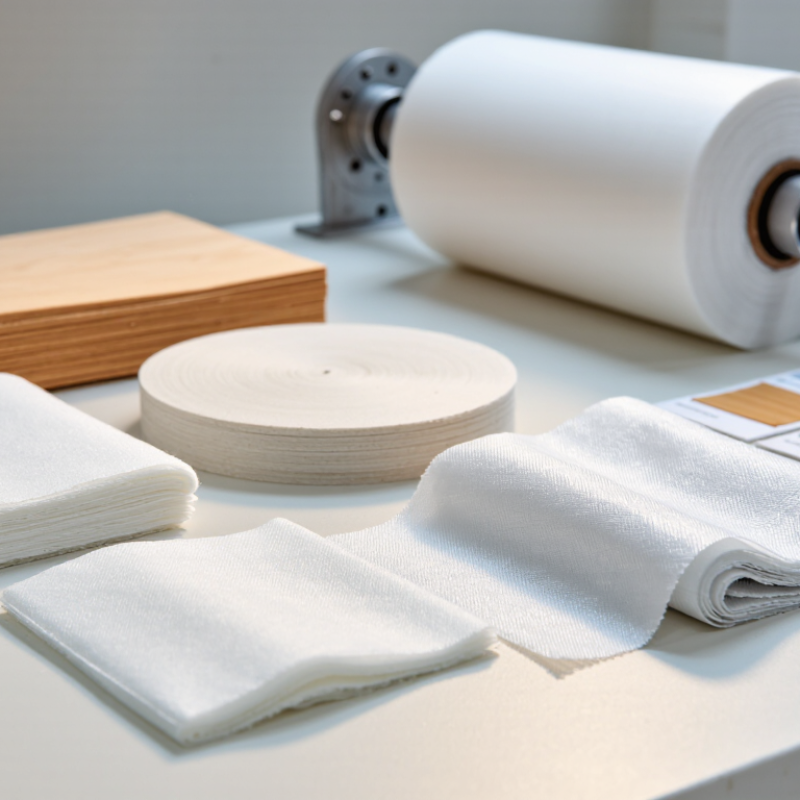
Top Types of Spunlace Fabric for Global Buyers
What Is Spunlace Fabric and How Is It Made?
Spunlace fabric is a nonwoven material made by entangling fibers with high-pressure water jets. It contains no traditional woven or knitted structure. Common fibers include viscose, polyester, cotton, and carefully selected recycled blends. The final fabric can feel soft, strong, smooth, or slightly textured.
Manufacturing starts with opening and blending the fibers. A carding machine then forms them into a loose, even web. Water jets pass through the web repeatedly, twisting and locking the fibers together. The material is dried, inspected, and wound into rolls. Water does the binding. This process can create fabric with low lint, good absorbency, and a comfortable surface.
Global buyers often choose plain spunlace for wipes and cleaning materials. Perforated types tear easily from rolls. Embossed spunlace adds texture and can improve handling. Laminated versions offer extra barrier performance for selected applications. Basis weight, fiber ratio, tensile strength, absorbency, and elongation deserve close inspection. These values influence converting speed and product durability.
From practical quality checks, uneven bonding may appear as thin lines or weak edges. Excessive water pressure can damage delicate fibers. Recycled content may also vary between production lots. That point deserves honest discussion. A reliable supplier should provide test reports, lot records, and clear tolerance ranges. Buyers should request samples under actual use conditions, not only judge softness by hand. It feels soft. Performance needs evidence.
| Spunlace Fabric Type | Typical Fiber Content | Typical Basis Weight | How It Is Made | Main Performance Characteristics | Common Applications | Key Buyer Considerations |
|---|---|---|---|---|---|---|
| 100% Viscose Spunlace | 100% viscose rayon, a regenerated cellulose fiber | 30–120 g/m² | Viscose fibers are carded into a web and bonded with high-pressure water jets, followed by drying and optional finishing. | Very soft hand feel, high absorbency, good drape, and a smooth surface. Wet strength is generally lower than that of synthetic-rich grades. | Facial wipes, baby wipes, cosmetic pads, personal-care wipes, and absorbent hygiene materials. | Check wet tensile strength, linting, fiber origin, biodegradability claims, and compatibility with lotion or cleansing formulations. |
| 100% Polyester Spunlace | 100% polyester, commonly polyethylene terephthalate (PET) | 40–200 g/m² | Polyester staple fibers are formed into a web and mechanically entangled by water jets without conventional adhesive binders. | High dry and wet strength, good abrasion resistance, dimensional stability, and relatively low moisture absorption. | Industrial wiping cloths, filtration support layers, automotive interiors, protective covers, and durable cleaning products. | Evaluate strength retention, thermal resistance, surface lint, electrostatic behavior, and whether a low-lint specification is required. |
| Viscose–Polyester Blend | Common blends include 50/50, 60/40, or 70/30 viscose/polyester | 35–150 g/m² | The two staple-fiber types are blended or layered, formed into a web, and hydroentangled to balance softness, absorbency, and strength. | Balanced absorbency and tensile strength, soft touch, good processing flexibility, and broad finishing options. | Household wipes, general-purpose cleaning cloths, medical wipes, hygiene products, and industrial wipes. | Confirm blend ratio, wet and dry tensile values, absorbency rate, lint level, and disposal or environmental requirements. |
| Lyocell Spunlace | 100% lyocell or lyocell blended with viscose or polyester | 35–100 g/m² | Cellulosic staple fibers are carded and bonded through hydroentanglement; the fabric may then receive aperturing, calendaring, or lotion-compatible finishing. | Soft and smooth surface, strong absorbency, good wet strength for a cellulosic fiber, and a premium textile-like feel. | Premium facial wipes, cosmetic sheets, personal-care wipes, medical dressing components, and specialty hygiene products. | Verify fiber certification, wet strength, dispersibility or flushability claims, and compatibility with the target market’s labeling rules. |
| Polypropylene Spunlace | 100% polypropylene (PP) | 25–120 g/m² | PP staple fibers are formed into a web and mechanically entangled with water jets; finishing can modify softness, hydrophilicity, or antistatic performance. | Low density, low moisture absorption, chemical resistance, and good strength-to-weight ratio. Untreated PP is naturally hydrophobic. | Medical and industrial wipes, filtration media, protective packaging, and technical nonwoven components. | Check hydrophilic treatment, chemical compatibility, odor, static control, thermal limits, and applicable medical or hygiene regulations. |
| Cotton Spunlace | 100% cotton or cotton blended with regenerated or synthetic fibers | 40–150 g/m² | Cotton fibers are cleaned, carded into a web, and bonded by hydroentanglement; bleaching or other wet processing may be applied afterward. | Natural hand feel, good absorbency, breathability, and comfort. It may shrink or lose strength when repeatedly exposed to moisture and processing. | Cosmetic wipes, medical swabs, wound-care materials, personal-care products, and reusable-style cleaning cloths. | Review absorbency, lint, whiteness, sterilization compatibility, shrinkage, cotton sourcing, and required cleanliness level. |
| Bamboo-Cellulose Spunlace | Regenerated cellulose derived from bamboo, often blended with viscose or other fibers | 35–100 g/m² | Regenerated bamboo cellulose fibers are carded and hydroentangled; the fabric may be softened, apertured, or treated for improved wet performance. | Soft, absorbent, and comfortable. Performance depends on the regeneration process and any blended fibers; “bamboo” does not automatically mean mechanically processed bamboo fiber. | Facial wipes, baby-care products, cosmetic masks, personal-care wipes, and soft household cloths. | Confirm whether the material is regenerated cellulose, request fiber-content documentation, and assess biodegradability and certification claims. |
| Apertured Spunlace | Viscose, polyester, lyocell, polypropylene, or blended fibers | 35–100 g/m² | A hydroentangled web is patterned or perforated during bonding or by a subsequent process to create an open, textured surface. | Improved liquid transfer, lotion distribution, cleansing action, texture, and surface coverage compared with a flat construction. | Wet wipes, exfoliating wipes, cosmetic sheets, medical cleaning materials, and specialty cleaning cloths. | Specify aperture pattern, open area, thickness, softness, liquid-holding capacity, and resistance to tearing during use. |
| Quilted or Laminated Spunlace | Spunlace combined with film, tissue, foam, or another nonwoven layer | 80–250 g/m² | One or more spunlace layers are combined by thermal, adhesive, ultrasonic, or mechanical methods, depending on the required barrier and bonding performance. | Higher thickness, cushioning, barrier performance, tear resistance, and structural stability than a single-layer spunlace sheet. | Absorbent pads, medical underpads, protective covers, automotive components, and technical packaging. | Check layer construction, bonding method, delamination resistance, moisture barrier, breathability, and recycling compatibility. |
© Copyright 2025 PolyFab Plastic Industry LLC. All Rights Reserved.

