Top 8 PVC Pipe Types for Global Buyers
Choosing the right PVC pipe begins with the job, not the product label. A line carrying drinking water faces different demands from a buried sewer, a greenhouse irrigation system, or electrical conduit. Wall thickness, pressure rating, temperature range, joint style, and local specifications all affect whether a pipe fits the installation. Small details matter.
This guide introduces 8 pvc pipe types that global buyers may encounter: pressure pipe, drain-waste-vent pipe, sewer pipe, conduit, CPVC pipe, PVC-O pipe, PVC-M pipe, and well-casing pipe. Each has distinct strengths and limits. CPVC, for example, is designed for higher service temperatures than ordinary PVC, while PVC-O is valued for strength relative to weight. These labels are not interchangeable. The categories can overlap, and product naming varies between suppliers and markets. That part is easy to overlook.
A dependable comparison should consider the intended fluid, operating conditions, installation method, and documented product specifications. Ask suppliers for clear data on dimensions, pressure class, material grade, and applicable standards. Then compare like with like. A low unit price may not reflect fitting compatibility, shipping needs, or service life. No single pipe type suits every project. Buyers should verify requirements with qualified designers and local project authorities before ordering. Even a careful shortlist needs a second look.
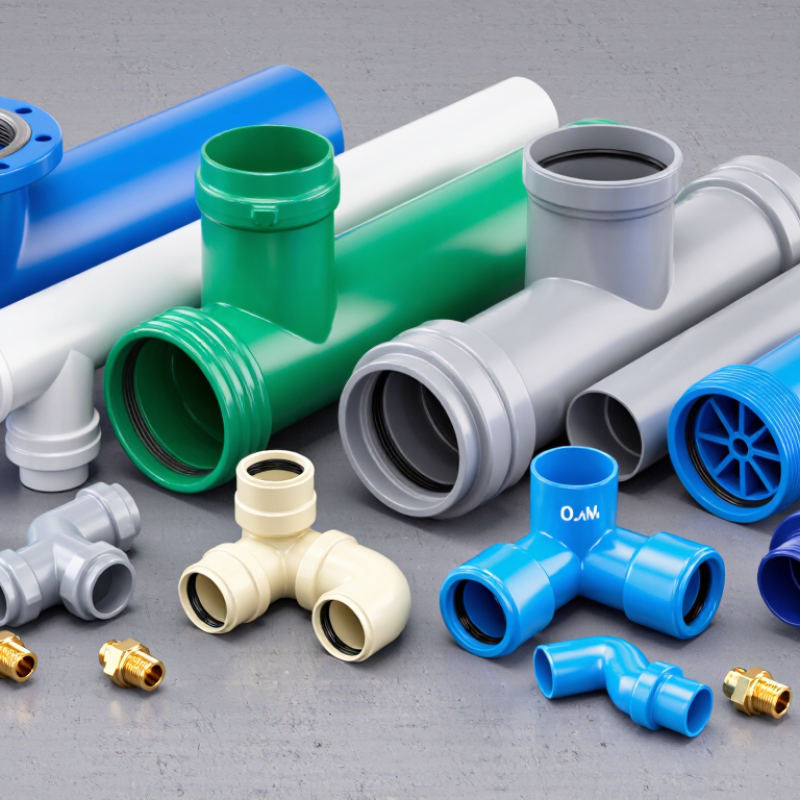
PVC Pipe Fundamentals: Composition, Structure, and Core Properties
PVC pipe is made from polyvinyl chloride resin blended with stabilizers, processing aids, and, in some formulations, impact modifiers or pigments. These ingredients help the material withstand heat during manufacture and meet the needs of different services. Most rigid utility pipes use unplasticized PVC, which keeps its shape under pressure without the flexibility of plasticized products. Small changes matter.
The pipe wall, bore, and joint design affect how a system performs. A thicker wall can support higher pressure, but ratings also depend on pipe diameter, temperature, and the applicable product specification. Smooth inner surfaces help water flow with less friction, though correct sizing still matters. Sections commonly connect through gasketed sockets or solvent-cement joints; installation details should match the pipe type and service conditions.
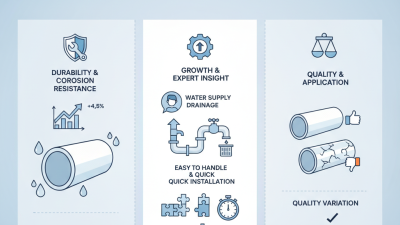
PVC resists many forms of corrosion and is relatively light, making handling easier on site. It is not immune to damage. Cold temperatures can increase impact brittleness, while prolonged sunlight may affect some formulations. I would not equate “corrosion-resistant” with “maintenance-free”: joints, supports, and exposed sections still need inspection. Labels such as pressure pipe or drainage pipe are useful, but the intended application and tested rating deserve a closer look.
Eight PVC Pipe Types and the Roles They Serve
PVC pipe is not one universal product; wall thickness, joint design, and pressure rating determine its proper role. The U.S. EPA’s 2023 Drinking Water Infrastructure Needs Survey estimates $625 billion in drinking-water infrastructure needs over 20 years. This figure covers entire systems, not PVC demand, but it shows the scale of replacement work.
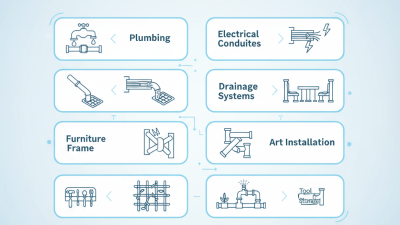
Pressure-rated PVC carries potable water through mains and service lines; pressure sewer pipe moves wastewater through pumped systems. DWV pipe handles indoor drainage and venting, while gravity sewer pipe conveys wastewater outdoors. Electrical conduit protects cables from physical damage. Irrigation pipe distributes water across fields and landscaped sites. Well casing supports boreholes, and perforated drainage pipe lets groundwater enter and flow away. Eight roles, very different demands.
The EPA’s 2022 Clean Watersheds Needs Survey estimated $630.1 billion in wastewater collection and treatment needs over 20 years. Buyers should match pipe markings and specifications to fluid, operating pressure, burial depth, and joint method. A common mistake is selecting by diameter alone. I would not trust color alone, either; markings and approved product documentation matter. Temperature and installation conditions can change performance, so confirm suitability with project specifications and qualified designers.
Performance Factors That Distinguish One PVC Pipe Type from Another
Top 8 PVC Pipe Types for Global Buyers
PVC pipes can look alike on a warehouse rack, yet their performance varies with wall thickness, pressure rating, temperature limits, and intended use.
Schedule 40 is a common choice for general water lines, while
Schedule 80 has thicker walls for tougher pressure or impact conditions.
Pressure-rated PVC is designed for fluid transport; DWV pipe instead carries drainage and vent flows, where pressure resistance is not its main job.
Sewer pipe is sized and rated for buried drainage, while perforated PVC lets water enter through small slots.
Electrical conduit protects wiring, not water. CPVC handles warmer water than standard PVC, but its limits still depend on product specifications.
PVC-O uses molecular orientation to improve strength efficiency.
Details matter.
For a real project, compare the pipe’s pressure rating at operating temperature, not just its nominal diameter. Thicker walls can reduce internal flow area.
That matters. Check joint design, chemical compatibility, and the loads expected during burial or installation. Sunlight exposure can also affect some PVC formulations over time, so outdoor storage and use deserve attention. A pipe that suits a cool irrigation line may be a poor fit near hot process equipment. Ratings and standards vary by product and market; confirm current technical data before specifying. The categories overlap a little, and that can make selection less tidy than a chart suggests. Performance depends on the whole system, including fittings, supports, and installation quality.
How Global Buyers Can Match Pipe Types to Project Needs and Local Standards
Choosing among PVC pipe types starts with the job, not the catalog. Pressure pipes serve water lines, while DWV pipes carry wastewater by gravity. Sewer and drainage pipes may have different wall thicknesses and joint designs. Electrical conduit protects cables, but it is not a substitute for plumbing pipe. Small details matter.
Compare the required diameter, pressure rating, wall class, and connection method with the project drawings. A pipe marked by schedule may not be specified like one classified by SDR. Check operating temperature and the fluid being conveyed; PVC performance can change with heat or chemical exposure. For buried lines, review soil conditions, cover depth, and installation guidance. A neat product chart cannot replace a site check.
Local standards can determine acceptable materials, dimensions, testing, and markings. Confirm the exact standard and approval requirements with project specifications and the relevant local authority before ordering. Also check whether fittings, solvent cement, and pipe share compatible specifications. An inexpensive pipe can become costly if crews must adapt it on site. A catalog can make matching look simpler than it is, and some project details may remain uncertain until the installation conditions are verified.
Top 8 PVC Pipe Types for Global Buyers
Compare indicative continuous service-temperature ceilings when matching pipe types to project needs.
How to use this chart: CPVC systems can typically serve hotter water applications than standard PVC systems. The values shown are general reference points, not universal ratings; actual limits depend on product formulation, pressure rating, installation conditions, and applicable local standards. Verify requirements such as ASTM, EN, ISO, or relevant national codes before specifying.