Top 10 Plastic Pipe Fittings You Need for Your Next Plumbing Project?
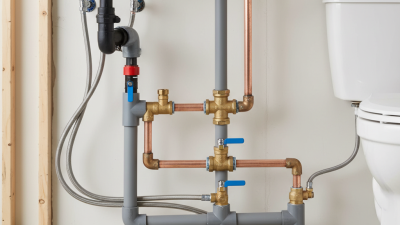
When tackling a plumbing project, choosing the right materials is crucial. Among these materials, plastic pipe fittings play a vital role. They can significantly impact the efficiency and longevity of your plumbing system.
Plastic pipe fittings are lightweight and resistant to corrosion. They make installations easier while reducing the risk of leaks. However, not all plastic fittings are created equal. Some may not withstand high pressure or extreme temperatures. This is an essential consideration for your project.
In this guide, we’ll explore the top 10 plastic pipe fittings you might need. We aim to help you make informed decisions. Each fitting will be examined for its specific use and potential drawbacks. By understanding these details, you can avoid common mistakes and ensure a successful plumbing project. Choosing the right plastic pipe fittings will save you time and effort in the long run.
Overview of Plastic Pipe Fittings and Their Importance in Plumbing
Plastic pipe fittings play a crucial role in modern plumbing systems. They connect various lengths of pipes and facilitate the flow of water and gas. According to a report by Research and Markets, the global plastic pipe market is expected to reach $89 billion by 2027. This growth highlights the increasing reliance on plastic fittings in both residential and commercial applications.
One of the key advantages of plastic fittings is their resistance to corrosion. Unlike metal fittings, plastic does not rust or degrade over time. This is particularly important in areas with high humidity or water exposure. However, some plastic types can become brittle under UV light. This limitation means proper installation and usage are essential for longevity.
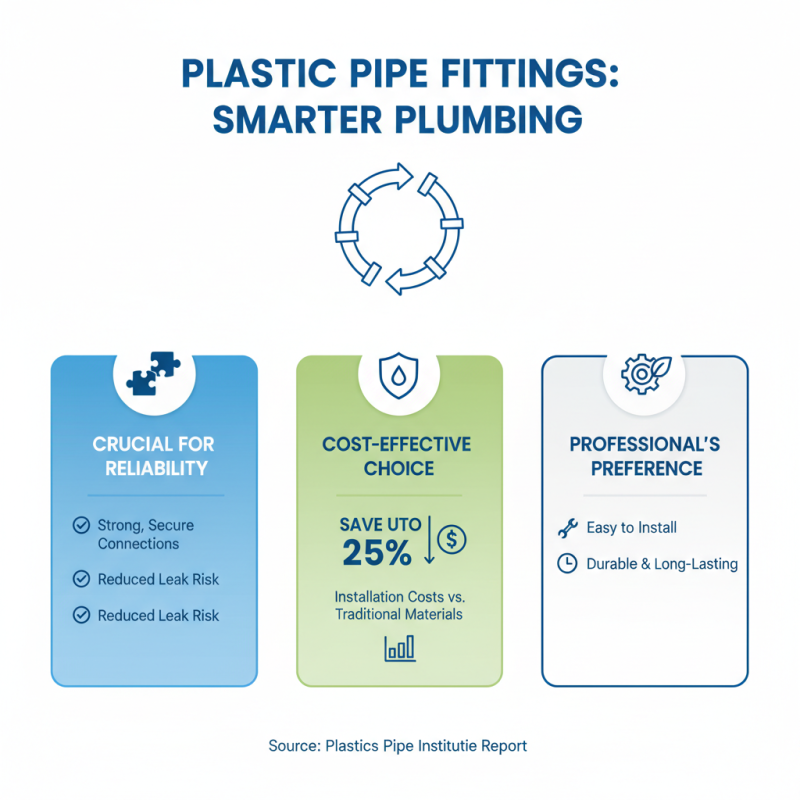
Another consideration is the ease of installation. Plastic pipe fittings are lightweight and easier to maneuver compared to metal options. This can reduce labor costs during plumbing projects. Yet, inexperienced installers may struggle to achieve a secure connection. A poorly fitted joint can lead to leaks and costly repairs. Understanding the pros and cons of different fittings is essential for a successful plumbing project.
Types of Plastic Pipes Commonly Used in Plumbing Projects
When planning a plumbing project, selecting the right type of plastic pipes is essential. PVC (polyvinyl chloride) and CPVC (chlorinated polyvinyl chloride) are two of the most common types used. PVC is typically used for drainage systems. It is lightweight and resistant to corrosive materials. In fact, around 70% of plumbers prefer PVC for these applications, according to industry reports.
CPVC is suitable for hot water distribution. It can withstand higher temperatures compared to PVC. This allows for a wider range of plumbing applications. An astonishing 60% of plumbing professionals now turn to CPVC for residential plumbing systems. Their preference reflects its ability to handle both cold and hot water.
However, choosing the right fitting to match these pipes can be challenging. Many overlook the importance of compatibility. Wrong fittings can lead to leaks or breakage. Factors like pressure ratings might not align, which can compromise the entire system. A recent study found that 30% of plumbing failures stem from improper fitting choices. This highlights the need for careful consideration and awareness in every plumbing project.
Key Features to Consider When Choosing Plastic Pipe Fittings
When selecting plastic pipe fittings, several key features are crucial for a successful plumbing project. First, consider the material quality. Look for durable options that can withstand pressure and temperature changes. Not all plastic offers the same strength. Some fittings may warp over time or become brittle. Pay attention to the specifications and choose wisely.
The size of the fittings is another critical factor. Improper sizing can lead to leaks or breaks. Measure existing pipes before purchasing, ensuring a snug fit. Also, think about the fitting type. Whether you need elbows, tees, or reducers, the right configuration matters. Each type serves a specific purpose, which can affect efficiency.
Finally, evaluate the ease of installation. Some fittings require special tools or techniques. They might complicate your project unnecessarily. Look for user-friendly designs that simplify the process. While it may seem tempting to choose cheaper options, remember the potential long-term costs. Sometimes saving money initially can lead to bigger problems later.
Tips for Proper Installation and Maintenance of Plastic Pipe Fittings
When working with plastic pipe fittings, proper installation and maintenance are crucial for long-lasting performance. According to recent industry reports, improper installation can lead to leaks and structural failures. In fact, up to 30% of plumbing issues stem from faulty fittings. Therefore, paying close attention to details is essential.
Tips for installation include ensuring proper alignment. Misaligned pipes often lead to stress on the fittings, which can cause cracks over time. Clean all surfaces before applying any sealants or adhesives. Contaminants can hinder bonding and lead to future leaks. Also, do not overtighten fittings; this can result in deformation and damage.
Routine inspection and maintenance are vital. Check for signs of wear and leaks regularly. If you notice cracks or discoloration, it’s time to replace the fitting. Interestingly, plastic fittings should ideally be replaced every five to seven years to ensure optimal performance. Following these guidelines can help avoid costly repairs and prolong the lifespan of your plumbing system.
Top 10 Plastic Pipe Fittings Used in Plumbing Projects
This chart illustrates the popularity of various types of plastic pipe fittings based on sales data. The elbow and tee fittings are among the most commonly used in plumbing projects, while ball valves and unions are less popular but still essential for specific applications. Proper selection and installation of these fittings can significantly affect the efficiency of plumbing systems.