Top 5 Fuse Terminal Blocks You Should Consider Today?
Fuse Terminal Blocks are essential components in electrical systems. They provide a reliable way to connect wires and protect circuits. Choosing the right fuse terminal block can significantly affect the safety and efficiency of your installations. With several options on the market, making a selection can be challenging.
In this article, we will explore the top 5 Fuse Terminal Blocks you should consider today. Each option will be evaluated based on performance, reliability, and ease of use. Whether you are a seasoned electrician or a hobbyist, understanding these components is crucial. They not only prevent electrical faults but also ensure proper current flow in your circuits.
Selecting the right model requires thoughtful evaluation. What works in one setup may not in another. Consider the specific needs of your projects. Take into account the rated current, voltage, and mounting type. The right choice can enhance your setup, while the wrong one might lead to safety hazards. Let’s dive into the details to make an informed decision.
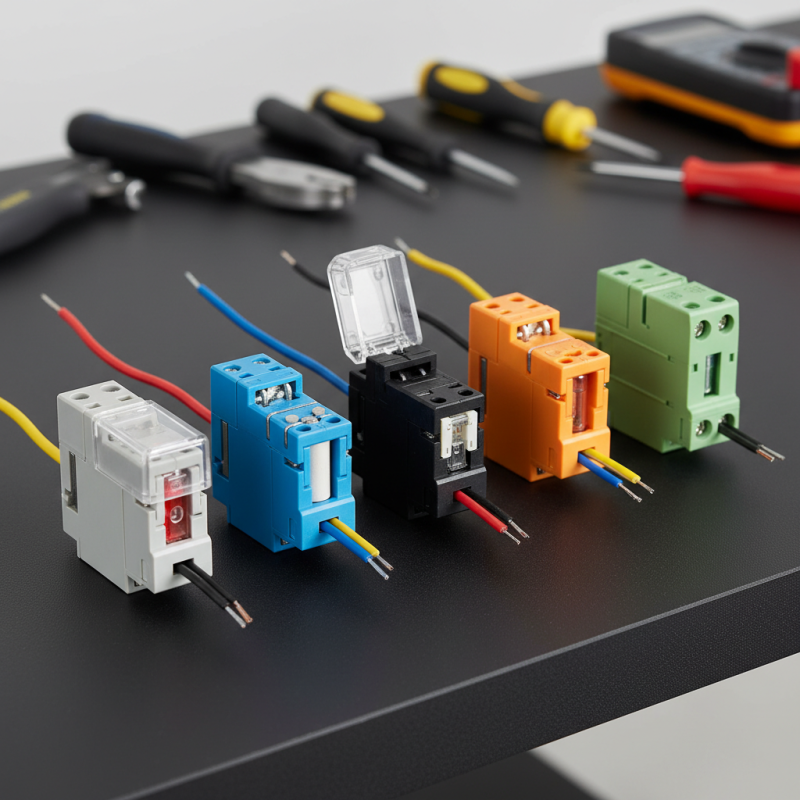
Key Features to Look for in Fuse Terminal Blocks
When selecting fuse terminal blocks, understanding their key features is crucial for ensuring safety and reliability in electrical installations. One significant aspect is the fuse type used. According to a report by the International Electrotechnical Commission, choosing the correct fuse type can reduce equipment damage by up to 70%. Look for blocks that accommodate both cartridge and resettable fuses for versatility.
Another important feature is the material quality. Terminal blocks made from high-grade thermoplastics offer better resistance to heat and environmental factors. The addition of metal connectors can improve conductivity and longevity. Research from industry groups shows that properly selected materials enhance performance by extending the service life of terminal blocks by 25%.
In practice, consider these tips. Always check ratings like voltage and current limits. Doing this can prevent overload situations. Additionally, secure connections are essential. Loose connections might cause heat build-up, leading to failures. Keeping connections tight enhances safety and reliability. Regular inspections can help identify potential issues before they escalate.
Top Manufacturers of Fuse Terminal Blocks in the Market
When selecting fuse terminal blocks, understanding the key manufacturers in the market is crucial. Quality and reliability are paramount for electrical components. Expertise in manufacturing often indicates durability and performance, which can significantly affect project outcomes.
Several industry leaders focus on designing fuse terminal blocks that cater to diverse applications. These manufacturers invest heavily in research and development, ensuring their products meet evolving standards.
The choice of materials is vital too. Many opt for thermoplastic or thermoset materials to ensure high resistance against heat and electrical flow. However, not all brands prioritize these aspects, which can lead to product failures.
While many products boast superior features, not every option will suit your needs. Budget constraints or specific operational requirements may result in compromises. It's essential to analyze your requirements meticulously.
Take your time to explore different options. User reviews and technical specifications can offer insights into performance. Engage in discussions with professionals; their experiences may provide valuable guidance. Keeping an open mind will lead to better choices.
Comparison of Performance: Fuse Terminal Blocks vs. Standard Terminal Blocks
When comparing fuse terminal blocks to standard terminal blocks, it's essential to understand their distinct advantages. Fuse terminal blocks provide enhanced protection against overloads and short circuits. They integrate fuses directly into the terminal block design, simplifying wiring layouts and minimizing installation time.
Standard terminal blocks, while effective for basic connections, lack this protective feature. They require external fuses, which can complicate design and increase installation space. This difference can be crucial in compact systems where every inch matters. Using fuse terminal blocks can lead to fewer components and streamlined maintenance, making them more efficient in long-term operations.
Another notable factor is safety. Fuse terminal blocks are designed to interrupt power immediately in fault conditions. This feature can prevent costly damage to connected equipment. Standard terminal blocks may not react as quickly, potentially leading to more significant issues. However, not every application necessitates a fuse terminal block. In some setups, the additional cost may not justify the benefits. Each project should be evaluated on its unique safety needs and performance requirements.
Common Applications and Uses of Fuse Terminal Blocks
Fuse terminal blocks play a crucial role in various electrical applications. They provide secure connections and protection against overcurrent. In industrial settings, these blocks are often used to safeguard motors and other machinery. They allow for easy replacement of blown fuses, minimizing downtime.
In residential applications, fuse terminal blocks can be found in home fuse boxes. They help in protecting household circuits from short circuits and overloads. For automotive uses, these blocks ensure reliable connectivity in electrical systems, enhancing vehicle safety. The simplicity of installation makes them attractive for DIY projects.
However, it's important to carefully select the appropriate fuse ratings. Misalignment can lead to failures and safety hazards. Regular inspections are necessary to ensure their reliability. Ignoring these details may result in costly repairs or dangerous situations. Proper maintenance and understanding of applications are vital for optimal performance.
Safety Considerations When Using Fuse Terminal Blocks
When using fuse terminal blocks, safety should always be a top priority. Proper installation and usage are key to avoiding electrical disasters. It's essential to understand the particular voltage and current ratings for each block. Overloading can lead to malfunction or even fire hazards. Users must regularly check connections to ensure they are secure and free from corrosion.
Maintaining a clean environment around fuse terminal blocks matters significantly. Dust and moisture can create issues, leading to shorts or reduced functionality. It's wise to consider thermal management as well. Poor heat dissipation can lead to failure.
Users should also be aware of the correct tools to work with these components. Mismatched tools can cause damage or injury. Remember, safety gear is not optional; gloves and goggles are crucial when working with electrical components.

