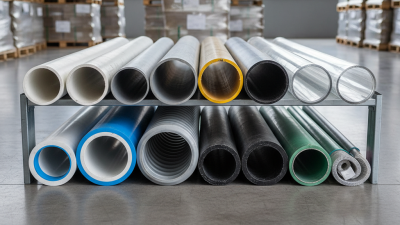
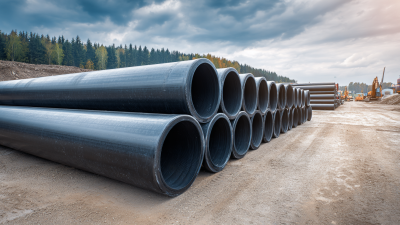
Top Flexible PVC Pipe Manufacturers for Global Buyers

Choosing a flexible pvc pipe manufacturer involves more than comparing prices or browsing product photos. Buyers need to match pipe construction, diameter, pressure rating, and flexibility to the intended application. A hose used for garden irrigation may face different demands from one used in workshops, drainage systems, or equipment connections. Small specification differences matter.

This guide introduces manufacturers serving global buyers and explains what to examine before requesting a quotation. Useful checks include published product specifications, material information, quality-control practices, production capacity, and available customization. Ask for samples when practical, and confirm that test reports apply to the exact product being considered. Clear answers are valuable. Vague claims deserve follow-up.

International sourcing also brings practical details into view. Lead times, minimum order quantities, packaging, shipping arrangements, and communication can affect the final cost and schedule. Request written specifications and compare like with like. A lower quoted price may not include the same wall thickness, fittings, or inspection steps. Still, a comparison table can make complex decisions look cleaner than they are. Supplier capabilities change, and public information may not reflect current production conditions.

The manufacturers discussed here offer starting points for research, not automatic endorsements. Buyers should verify current details directly and assess each supplier against their own technical requirements. Careful questions now can prevent costly misunderstandings later.
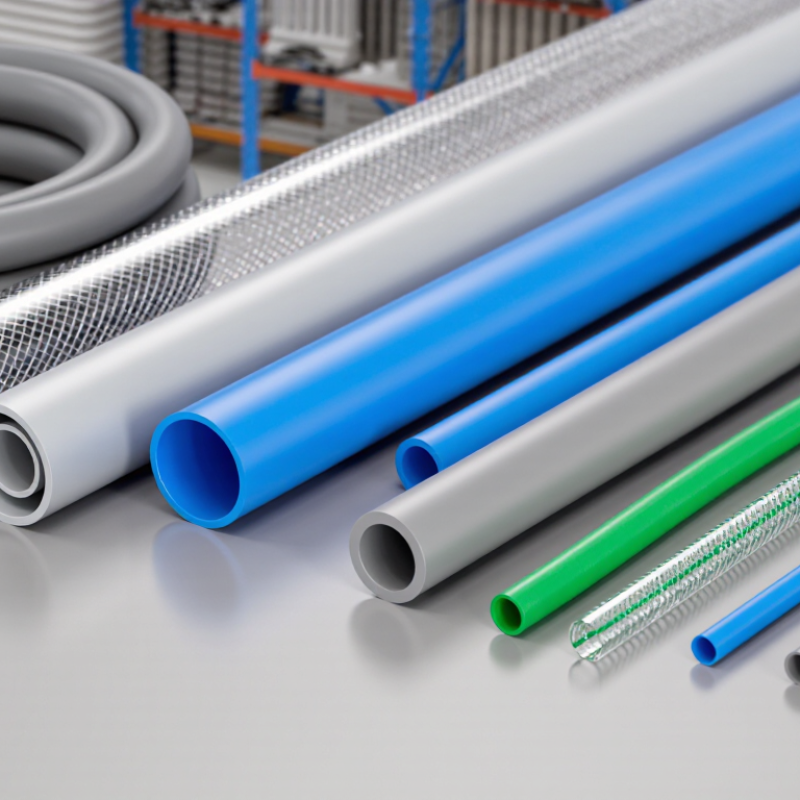
Top Flexible PVC Pipe Manufacturers for Global Buyers

Understanding Flexible PVC Pipes and Their Main Applications

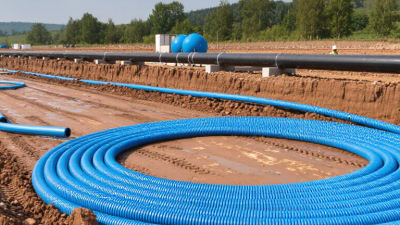
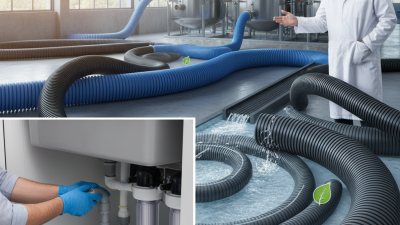
Flexible PVC pipes are made from polyvinyl chloride blended with plasticizers, which let the material bend without cracking under normal installation conditions. They are useful where rigid pipe would need many elbows, such as garden irrigation, pond circulation, pool equipment, and drainage around buildings. Short lengths also connect pumps, filters, and appliances where vibration or movement may occur. They bend easily. That does not mean they can kink freely.

Their performance depends on construction and operating conditions. Reinforced walls can help resist pressure, while unreinforced tubing may suit lighter transfer tasks. Buyers should check the stated working pressure, temperature range, inner diameter, wall thickness, and minimum bend radius. For suction lines, confirm that the product is rated to resist collapse under vacuum. A clear wall looks convenient, but clarity alone proves nothing about pressure capacity or chemical compatibility.

When comparing manufacturers, ask for test data and confirm whether the intended fluid, outdoor exposure, and service temperature are covered by the product specification. UV resistance matters for pipe left in direct sun; chemical compatibility matters for fertilizers or cleaning solutions. Not every setup fits. I would avoid choosing by price or flexibility alone, since a soft pipe that kinks at a tight bend can restrict flow and complicate maintenance.
Understanding Flexible PVC Pipes: Typical Service Temperature

Flexible PVC pipes and tubing are used for applications such as irrigation, drainage, pool and spa systems, and general fluid transfer. The temperature range shown is a broad industry-typical reference, not a guaranteed rating; allowable limits vary by formulation, construction, pressure, and manufacturer.

How Flexible PVC Pipes Are Manufactured and Tested

Flexible PVC pipe production starts with a measured blend of PVC resin, plasticizers, stabilizers, and other additives. The exact recipe depends on the pipe’s intended use and required flexibility. A mixer disperses the ingredients before an extruder heats and pushes the compound through a shaped die. The pipe is cooled, sized, and cut into coils or set lengths. Small changes in temperature or feed rate can affect wall thickness, so operators monitor the production line and record adjustments.

Testing checks both the pipe and the process. Inspectors measure diameter and wall thickness, then look for surface marks, bubbles, or uneven color. Samples may undergo pressure, leakage, flexibility, or tensile tests, according to the product specification. Test conditions should match the pipe’s intended service; one test cannot prove suitability for every application. A neat-looking coil is not proof of consistent performance. Batch records and test reports help buyers check what was actually verified.

Tips: Ask for recent, traceable test reports and confirm the test method, sample size, and acceptance limits. Compare the stated pressure rating with your operating conditions. If a report lacks details, ask questions before ordering. I would not rely on a sales sample alone.

Key Criteria for Evaluating Global Manufacturers

For global buyers, evaluating flexible PVC pipe manufacturers starts with the intended application. A pipe for irrigation may face different pressure, sunlight, and temperature conditions than one used indoors. Share these details before requesting a quotation. A capable manufacturer should explain which pipe specifications fit and where its product has limits.

Ask for recent test reports, dimensional records, and clear descriptions of quality checks. Look for measurements such as wall thickness and outside diameter, not only broad claims about strength. Request samples from a normal production run. Test them under realistic conditions where possible. A sample can look excellent while later batches vary. Details matter.

Production capacity and export experience also deserve close review. Ask how orders are tracked, how defects are handled, and what lead times include. Packaging should protect pipe ends and prevent crushing during transport. Check whether documents match the goods and order terms. Communication is a practical test: precise answers to technical questions are more useful than fast promises. Even a careful review can miss a weak point, so record agreed specifications and inspect incoming shipments against them.

Top Flexible PVC Pipe Manufacturers for Global Buyers - Key Criteria for Evaluating Global Manufacturers
Evaluation criterion Suggested weight What to verify Useful evidence to request Buyer evaluation signal
Product suitability and specifications 20% Confirm intended use, inside diameter, wall thickness, length, flexibility, operating pressure, temperature range, and compatibility with the conveyed medium. Product data sheet, dimensional tolerances, application guidance, and a written specification matched to the buyer’s operating conditions. Specifications are stated clearly and consistently; pressure and temperature limits are not presented without their applicable conditions.
Testing and quality control 15% Check how the manufacturer controls dimensions and tests product performance, such as pressure or leakage where applicable. Confirm inspection frequency and lot traceability. Quality-control plan, sample inspection or test reports, acceptance criteria, and batch identification procedure. Test methods and acceptance limits are documented and relevant to the particular product and intended application.
Standards and market compliance 15% Identify the product and regulatory requirements for the destination market and end use. Check whether any stated certification covers the specific product, material, and facility. Current certificates or declarations, scope details, test reports, and confirmation of the applicable destination-market requirements. Claims can be verified and are relevant to the order; requirements are checked for the actual application rather than assumed to be universal.
Material and chemical suitability 15% Clarify the compound and any reinforcement or additives, then assess suitability for the intended fluid, exposure, and temperature. For regulated uses, verify applicable substance and contact requirements. Material declaration, chemical compatibility guidance, and relevant migration, contact, or restricted-substance documentation where required. Material documentation matches the product supplied and the buyer’s use; broad “non-toxic” or “food-safe” claims are supported by applicable evidence.
Manufacturing capacity and consistency 10% Assess ability to meet forecast volumes, required dimensions, repeat-order specifications, and agreed production schedules. Capacity and lead-time estimates, production planning details, sample records, and a documented process for approving specification changes. Capacity commitments are specific to the requested product and volume, with clear communication about changes or constraints.
Packaging, logistics, and export readiness 10% Review coil or length packaging, protection against handling damage, labeling, shipping configuration, export documents, and delivery terms. Packaging specifications, sample shipping marks, packing list format, proposed delivery schedule, and confirmation of export-document responsibilities. Packaging and shipping plans are practical for the product and route; responsibilities and delivery terms are clear before order placement.
Commercial transparency and total cost 10% Compare price alongside tooling or setup charges, minimum order quantities, packaging, freight assumptions, payment terms, and quote validity. Itemized quotation, stated currency and trade terms, minimum order details, and written confirmation of additional charges. The quote makes the product scope and cost assumptions easy to compare; unusually low pricing is checked against specification and quality requirements.
Communication and after-sales support 5% Evaluate response quality, technical support, complaint handling, and the process for investigating nonconforming products. Named contact roles, response and escalation process, warranty terms, and corrective-action procedure. Questions receive clear, technically relevant answers, and responsibilities for resolving issues are defined.
Total suggested weighting 100% Suggested buyer framework; adjust weights to reflect the product application, destination market, and purchasing priorities.

Note: This is a manufacturer-evaluation framework, not a ranking of specific suppliers. Product standards, certifications, and legal requirements depend on the pipe design, intended use, and destination market.

Profiles of Notable Flexible PVC Pipe Manufacturers

Notable flexible PVC pipe manufacturers tend to build their reputations around specific applications rather than one universal product. One common profile is the agricultural specialist, making lightweight hose for irrigation lines, greenhouse connections, and water transfer. Its production team may check wall thickness, coil length, and flexibility across sample batches. A pipe that kinks beside a field pump can disrupt a full day’s work. Small details matter. Buyers should ask how products perform in their intended temperature range, not rely on appearance alone.

Another profile is the industrial supplier, focused on drainage, ventilation, or fluid movement in workshops and construction sites. These manufacturers often offer different diameters, reinforcement levels, and packaging options. Clear product data sheets and traceable batch information help buyers compare specifications. Ask for sample lengths and test documentation before placing a large order. It is also useful to discuss storage: prolonged sunlight or rough handling can affect PVC products. Not every supplier explains these limits well, and that is worth noticing. A polished catalog is helpful, but it cannot replace practical checks on fit, flexibility, and delivery consistency.

Sourcing, Pricing, and Logistics for International Buyers

International buyers should compare flexible PVC pipe suppliers by more than unit price. Request specifications for inner diameter, wall thickness, pressure rating, material formulation, and dimensional tolerances. Ask for recent test records and samples from the same production line. Small differences matter: a pipe that kinks during installation can erase an apparent freight saving. PlasticsEurope’s Plastics – the Fast Facts 2024 report estimates global plastics production reached 413.8 million tonnes in 2023. That broad figure signals a large materials market, but it does not verify any supplier’s capacity or quality. Check those directly.

Pricing needs a clear basis. Compare quotations using the same currency, order volume, packaging, Incoterm, and payment schedule. Request separate costs for pipe, fittings, packing, and any tooling. Then check how suppliers protect coils against crushing and abrasion. UNCTAD’s Review of Maritime Transport 2024 reported that the Shanghai Containerized Freight Index rose 122% between December 2023 and June 2024. Rates can shift quickly. Build a freight allowance into landed-cost estimates, and confirm port, transit time, insurance, and container loading plans before signing. A neat spreadsheet still misses local unloading delays. I would also allow buffer stock for critical sizes; it is cautious, perhaps imperfect, but a delayed shipment can stop a project.

top