2026 Top CPVC Fittings Types and Applications You Need to Know
In the realm of plumbing and construction, CPVC fittings are gaining significant attention. Research from MarketsandMarkets forecasts that the global CPVC market will reach $2.4 billion by 2027, driven by rising demand for durable and efficient piping solutions. The properties of CPVC, such as its resistance to corrosion, high-temperature tolerance, and lower installation costs, make it a preferred choice among professionals.
As industries increasingly focus on sustainability, CPVC fittings offer a reliable alternative. They are not only easy to install but also reduce energy loss due to their insulation properties. According to a report by Grand View Research, the growth in construction activities is one of the primary factors driving this trend. However, the market is facing challenges. Issues related to compatibility with certain chemicals can arise, leading to questions about safety.
Understanding the diverse types and applications of CPVC fittings is crucial for anyone in the plumbing field. Contractors and engineers must stay updated on the latest innovations. This awareness can lead to improved project outcomes and deeper trust in CPVC solutions. As we explore various CPVC fittings in 2026, recognizing their strengths and shortcomings will empower informed decisions in this ever-evolving industry.
Overview of CPVC (Chlorinated Polyvinyl Chloride) Fittings
CPVC, or Chlorinated Polyvinyl Chloride, is a versatile material popular in plumbing and construction. It has enhanced strength and higher temperature resistance compared to standard PVC. This makes CPVC fittings ideal for hot and cold water systems. The use of chlorination increases its stability, reducing the risk of degradation over time. Many professionals trust CPVC for long-lasting installations.
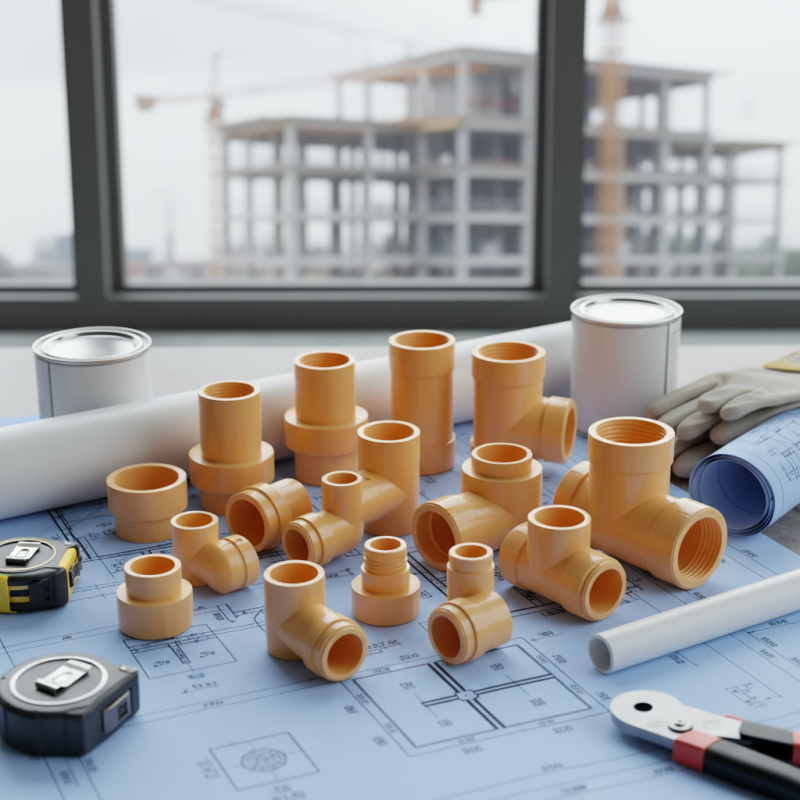
There are various types of CPVC fittings, each serving specific applications. Elbow fittings facilitate changes in direction. Tee fittings enable branch connections. Couplings join two pipes together. These fittings are reliable and easy to install, making them accessible for various projects. However, it's crucial to ensure proper installation for optimal performance. Misalignment can lead to leaks.
Understanding the properties of CPVC can help you make informed choices. Assess your project's needs carefully. For instance, high-pressure systems may require specific fitting types. Always weigh the advantages and downsides of using CPVC. Consider climate effects; extreme temperatures can impact material lifespan. Being mindful of these factors promotes successful installations.
Types of CPVC Fittings and Their Characteristics
CPVC fittings are vital in various plumbing and industrial applications. These fittings come in different types, each tailored for specific uses. Many professionals engage with these components daily, highlighting their importance.
Common types include elbows, tees, and couplings. Each type offers unique characteristics that enhance performance and reliability.
Elbow fittings allow for directional changes in piping systems. They typically come in 90-degree or 45-degree angles. Tees are designed to connect three pipes at one junction. They provide a straightforward method for branching off. Couplings are essential for joining two pipe sections together. Their design is simple but effective for ensuring leak-free connections.
Material properties play a crucial role in CPVC fittings. They are resistant to corrosion and handle high temperatures. This durability makes them a favorite in industrial settings. However, users should consider compatibility with existing systems. Not all fittings work universally.
Not every application requires the same type of fitting, which can lead to inefficiencies. It's essential to assess project needs carefully before making decisions. Understanding these nuances contributes to better performance and longevity in installations.
Common Applications of CPVC Fittings in Plumbing Systems
CPVC fittings play a crucial role in plumbing systems. They are widely used in residential and commercial constructions. These fittings are known for their resistance to heat and corrosion. This makes them ideal for hot water applications. Their lightweight nature also simplifies installation and reduces labor costs.
In plumbing, CPVC fittings are often used in water supply lines. They handle temperatures up to 200°F effectively. Buildings in areas with high chlorinated water find CPVC especially useful. Additionally, these fittings are suitable for both potable and non-potable water systems. However, installers must ensure proper joining techniques to prevent leaks. Mistakes in installation can lead to costly repairs.
Each application requires careful consideration of the fitting types. Elbows, tees, and adapters serve distinct purposes. Understanding these differences aids in selecting the right fitting. Overlooking these details might compromise the integrity of the system. Continuous learning about best practices can enhance installation quality. The knowledge keeps systems reliable and efficient over time.
2026 Top CPVC Fittings Types and Applications You Need to Know
| Fitting Type |
Description |
Common Applications |
Temperature Range (°F) |
Pressure Rating (PSI) |
| Elbow |
Used to change the direction of flow in piping systems. |
Water supply, drain, waste, vent (DWV) |
0 to 180 |
4000 |
| Tee |
Used to connect three pieces of pipe. |
Branch lines for water distribution |
0 to 180 |
4000 |
| Coupling |
Used to connect two pipes together. |
Connecting sections of pipe in various configurations |
0 to 180 |
4000 |
| Cap |
Used to close the end of a pipe. |
Terminating piping systems |
0 to 180 |
4000 |
| Union |
Allows for easy disconnection of pipes. |
Maintenance and repair of piping systems |
0 to 180 |
4000 |
Advantages of Using CPVC Fittings Over Other Materials
CPVC fittings have gained popularity due to their numerous advantages. They are lightweight and easy to handle. This makes installation quicker and more efficient. Additionally, CPVC is resistant to corrosion, which is a common issue with metal fittings. Unlike metals, CPVC won’t rust or corrode over time. This durability can lead to lower maintenance costs, saving both time and money.
Another important benefit is chemical resistance. CPVC fittings can withstand a variety of chemicals, making them suitable for industrial applications. They can handle hot and cold water as well, which is essential in plumbing systems. However, not everyone may be familiar with proper installation techniques. Incorrect installation can lead to leaks. Users should seek professional advice to ensure longevity.
While CPVC fittings offer many advantages, there are also limitations. For example, they can become brittle in extremely cold temperatures. Users must consider local climate conditions. Overall, understanding these factors helps in making informed decisions. Proper knowledge is key to maximizing the benefits of CPVC fittings.
Best Practices for Installing and Maintaining CPVC Fittings
Installing and maintaining CPVC fittings requires attention to detail. Proper installation is crucial for avoiding leaks and ensuring system efficiency. According to industry reports, improper installation can lead to a 30% increase in maintenance costs over time. It is essential to follow the manufacturer’s guidelines closely. Moreover, using the correct solvents and cements is vital. Inadequate adhesive application can compromise the integrity of the joint.
Regular maintenance is equally important. Experts recommend inspecting fittings at least twice a year. Look for signs of wear, such as discoloration or brittleness. These may indicate potential failures. Additionally, maintaining optimal temperature conditions can extend the lifespan of CPVC materials. Fittings should not be subjected to extreme heat or cold. Reports show that maintaining a stable environment can decrease failure rates by 25%.
Consider that even the best installations may face unforeseen challenges. Corrosion and mechanical stress can occur, leading to leaks. Document any changes made to the fittings. This helps in identifying patterns that may require intervention. Recognizing these factors early can save time and prevent costly repairs. Addressing these concerns through diligent practices ultimately leads to a more reliable system.