Home // Blog
Choosing PVC pipe by appearance alone can lead to poor fit, slow drainage, or costly rework. The right size depends on the job, the connection, and the pipe’s pressure rating. A pipe marked 1 inch does not necessarily measure 1 inch across its outside surface. That detail matters when fittings must seat cleanly. Small differences count.
PVC piping specialist Evan Cole offers a useful reminder: “Choose the pipe for the system it serves, not just the measurement on the shelf.” The ten common pvc pipe sizes in this guide range from narrow lines for smaller supply or drainage tasks to larger pipes used for higher flow. Each size has practical trade-offs. A wider pipe may carry more water, but it can also need larger fittings and more installation space.
You’ll see where different sizes are commonly used, what nominal sizing means, and why Schedule 40 and Schedule 80 are not interchangeable in every application. Check product markings and manufacturer specifications before buying. Local plumbing requirements may also affect your choice. These basics help, but they do not replace a project-specific check. Even an experienced installer can overlook a fitting mismatch. A tape measure helps. So does slowing down before the first cut.
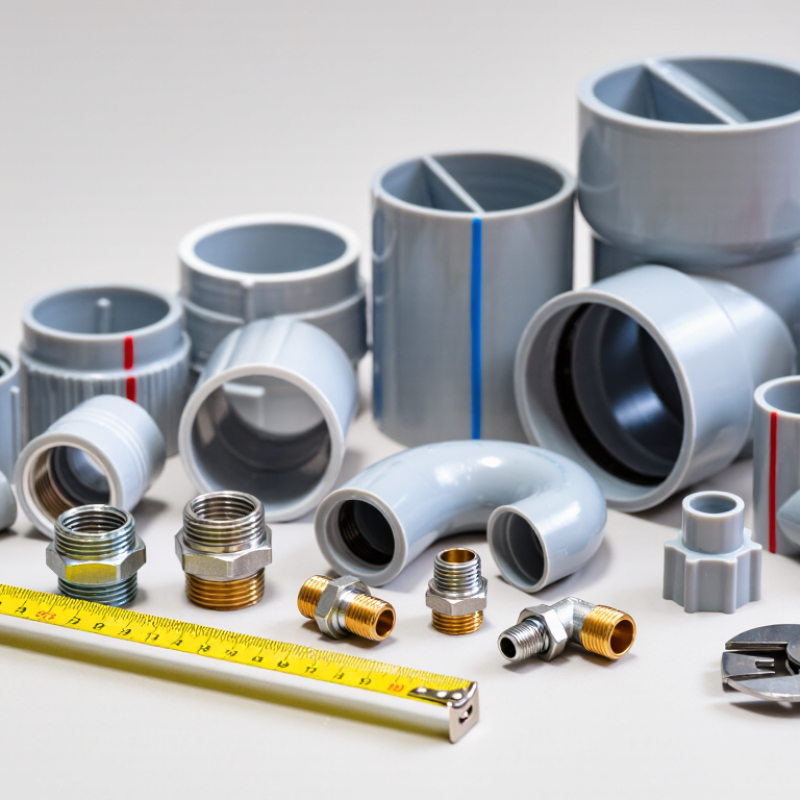
PVC pipe labels can mislead: NPS means nominal pipe size, not the pipe’s measured outside diameter. Under ASTM D1785, Schedule 40 PVC has an outside diameter of 0.840 inches for NPS 1/2, 1.315 inches for NPS 1, and 2.375 inches for NPS 2. Larger examples include 4.500 inches at NPS 4 and 6.625 inches at NPS 6. These are standard dimensions, not estimates. Check the standard’s size tables before selecting fittings.
That distinction matters on a workbench. A tape measure across a one-inch pipe will not read one inch; fittings are made to match its specified outside diameter. Small sizes such as 1/2 and 3/4 inch commonly serve compact water lines, while 1- and 2-inch pipe is often used for building supply or drainage runs.
Four-inch pipe is common in larger drains, and six-inch pipe can carry higher-volume drainage flows. Application and local design requirements still matter. Schedule 40 describes wall dimensions, not a universal use or flow rate.
The Plastics Pipe Institute’s Handbook of PVC Pipe Design and Construction also treats hydraulic performance as dependent on factors beyond nominal size. Easy to overlook. ASTM D1785 supplies the dimensional reference; measure twice, especially when replacing an older section.

Nominal ½-, ¾-, and 1-inch PVC pipe has outside diameters of 0.840, 1.050, and 1.315 inches, respectively. The size printed on the pipe is not its measured outside width. That distinction matters when selecting fittings: a tape measure alone can lead to the wrong connection. Wall thickness varies by schedule, so the inside diameter and flow capacity vary too.
These compact sizes work well for small irrigation branches, short equipment feeds, and other low-flow runs. A ½-inch line can serve a small branch; ¾-inch pipe may suit a longer run or several outlets, while 1-inch pipe can carry more flow to a distribution point. Actual performance depends on pressure, run length, fittings, and demand.
Small pipe, big difference.
For fixture supply branches, check that the pipe type is approved for the specific water and temperature conditions. Standard PVC is generally not intended for hot-water distribution, and local plumbing requirements differ. Match fittings to the pipe’s nominal size and schedule, then dry-fit the layout before solvent cementing. I would also check the route twice; tight cabinet corners can make a neat plan awkward in practice.
The 1¼–2 inch range covers three common nominal PVC sizes: 1¼-inch pipe has a 1.660-inch outside diameter, 1½-inch pipe measures 1.900 inches, and 2-inch pipe measures 2.375 inches. These dimensions appear in ASTM D1785, the standard covering PVC pipe dimensions and schedules. Nominal size is not the measured outside diameter. That distinction matters when choosing fittings or replacing a short section.
These pipes serve household supply branches, irrigation mains, and connections to valves or pumps. A 1¼-inch line can suit smaller runs, while 1½- and 2-inch lines often handle larger flows or longer routes. But the schedule changes wall thickness and internal diameter, so outside diameter alone cannot determine capacity. The USDA NRCS National Engineering Handbook’s irrigation design guidance considers flow, pipe length, elevation change, and friction losses. All four matter. A long, gently sloped run may behave differently from a short line feeding several sprinklers. I still check the pipe schedule and the system’s flow requirements before selecting fittings; it is an easy detail to miss.
| Nominal Size | Standard Outside Diameter | Schedule 40 Wall / Approx. ID | Schedule 80 Wall / Approx. ID | Typical Uses | Selection Notes |
|---|---|---|---|---|---|
| 1¼ in. | 1.660 in. (42.2 mm) | 0.140 in. / 1.380 in. | 0.191 in. / 1.278 in. | Branch water lines, larger irrigation zones, and pool circulation lines where approved. | Check required flow, pressure rating, fittings, and local plumbing rules. |
| 1½ in. | 1.900 in. (48.3 mm) | 0.145 in. / 1.610 in. | 0.200 in. / 1.500 in. | Irrigation mains and submains, water distribution, and pool plumbing. | Confirm that pipe and fittings are rated for the system’s operating pressure. |
| 2 in. | 2.375 in. (60.3 mm) | 0.154 in. / 2.067 in. | 0.218 in. / 1.939 in. | Irrigation headers, larger supply runs, and water-service applications permitted by code. | Use an approved pipe type for potable water; do not assume every PVC pipe is suitable. |
Dimensions are typical nominal Schedule 40 and Schedule 80 PVC pipe dimensions; actual tolerances are governed by the applicable standard. Schedule 80 has a thicker wall and a smaller inside diameter than Schedule 40. Use only pipe and fittings marked for the intended service, and verify pressure and temperature limits with the applicable specifications and local codes.
In PVC sizing, “3–4 inches” usually means nominal size, not the pipe’s measured outside diameter. A nominal 3-inch pipe has a 3.500-inch OD, while a nominal 4-inch pipe measures 4.500 inches OD. That difference matters when choosing fittings, making a repair, or passing pipe through a tight opening. Measure the existing pipe before buying replacements; labels alone can mislead.
These sizes commonly serve drainage and waste lines. Three-inch pipe is often used for branch drains and larger fixture connections, while four-inch pipe can carry flow from multiple fixtures or serve building drains. Gravity systems depend on suitable slope, secure joints, and support that prevents sagging. A shallow dip can hold water and debris. Not every PVC pipe is intended for the same job, so check its markings and applicable installation requirements rather than assuming size confirms use.
Tips: Dry-fit the pipe and fittings, then check alignment and slope before joining them. Keep a tape measure handy. A small mismatch can become an annoying leak or a costly redo. I’ve found that planning the route on the floor helps, though it does not replace checking the finished installation.
6–8 in. PVC: 6.625–8.625 in. ODs for Larger Drainage and Conveyance
Nominal 6-inch and 8-inch PVC pipe commonly have outside diameters of 6.625 and 8.625 inches. These figures typically describe IPS pipe; other pipe systems may use different dimensions. Check the product specifications before choosing fittings. Nominal size is not the clear opening. Wall thickness affects the inside diameter and available flow.
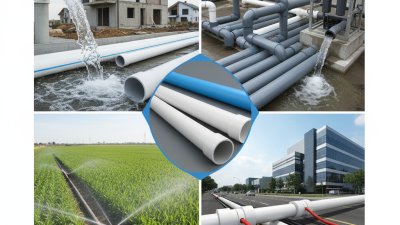
These larger sizes can carry stormwater from parking areas, roof drains, and roadside collection systems. They also suit gravity sewer lines and some agricultural conveyance projects. A broad pipe can move substantial water, but only when the slope, outlet, and surrounding drainage plan support it. Measure twice. A low spot can leave water and sediment behind.
Before installation, confirm the pipe’s pressure rating, stiffness, and intended service. Schedule or DR affects wall thickness, so two pipes with the same outside diameter may not handle loads alike. Bedding matters, too: uneven support beneath a long run can invite movement or joint stress. It is easy to focus on flow and overlook access for maintenance. That oversight is worth revisiting, especially where leaves or grit enter the system.
Nominal pipe size is not the measured outside diameter. For common IPS PVC dimensions, 6-inch pipe has a 6.625-inch outside diameter, while 8-inch pipe has an 8.625-inch outside diameter.
Common uses: These larger sizes are often used for stormwater and site drainage, sewer systems, irrigation mains, and other water-conveyance applications. The suitable pipe type and size depend on flow requirements, pressure, installation conditions, and local codes.
© Copyright 2025 PolyFab Plastic Industry LLC. All Rights Reserved.