PVC Clear Sheet Tips for Choosing the Best Option?
Choosing the right PVC Clear Sheet can be challenging. With numerous options available, it’s vital to understand their properties. The global market for PVC sheets is projected to reach $6 billion by 2026, showing significant industry growth. This increase highlights the demand for quality materials in various applications.
PVC Clear Sheets are popular due to their durability and transparency. They are widely used in packaging, signage, and protective barriers. According to a recent report, the demand for clear plastic sheets is rising, driven by their versatility in different sectors. However, not all PVC sheets are created equal. Some may lack the strength needed for specific applications.
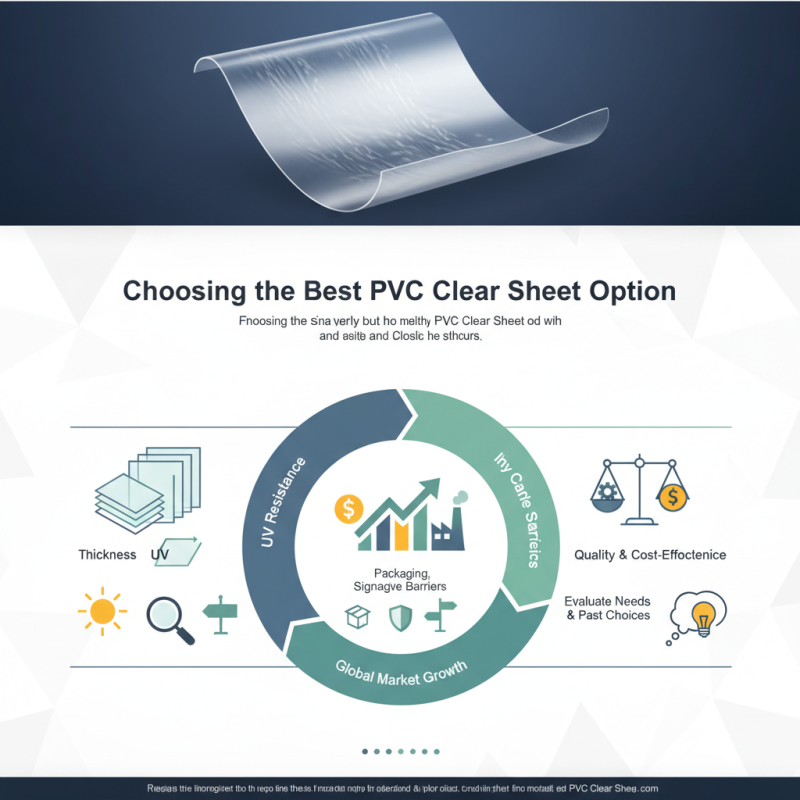
When selecting a PVC Clear Sheet, consider factors like thickness, UV resistance, and clarity. These details can impact the product's performance. It's essential to evaluate your specific needs. Reflecting on past choices can guide you to make better decisions. Aim to choose a product that balances quality and cost-effectiveness. This choice could greatly affect your project’s success.
Understanding PVC Clear Sheets: Types and Characteristics
PVC clear sheets are popular for various applications, thanks to their versatility. They come in several types, including rigid and flexible options. Rigid PVC sheets are often used in construction and signage, due to their strength and durability. Flexible PVC sheets, on the other hand, are common in crafting and packaging. According to a recent market analysis, the demand for clear PVC sheets is projected to grow by 5% annually.
One key characteristic of PVC clear sheets is their transparency. This property allows for maximum light transmission, often exceeding 90%. However, not all sheets offer the same level of clarity. Variations in manufacturing processes can affect their visual quality. It’s essential to evaluate each product carefully. Additionally, some sheets can be less resistant to UV light, leading to discoloration over time.
When selecting a PVC clear sheet, consider its thickness. Standard options range from 0.5 mm to 10 mm. Thicker sheets provide better impact resistance, but they may cost more. A study noted that thicker sheets had a 30% higher impact resistance compared to thinner ones. Thus, the choice should balance cost and application needs. Defects are possible, and seeking samples for testing is advisable. Understanding these factors is crucial in making an informed decision.
PVC Clear Sheet Tips for Choosing the Best Option
| Type | Thickness (mm) | Transparency (%) | UV Resistance | Applications |
| Standard Clear | 1.5 | 90 | Low | Indoor Displays, Signage |
| UV Stabilized | 2.0 | 92 | High | Outdoor Signage, Wall Panels |
| Frosted Clear | 1.2 | 80 | Moderate | Privacy Panels, Decorative Applications |
| Anti-Glare | 1.5 | 85 | Low | Monitor Covers, Light Diffusers |
Key Factors to Consider When Choosing PVC Clear Sheets
When choosing PVC clear sheets, several key factors come into play. The thickness of the sheet is crucial. A thinner sheet may be more flexible, but it offers less durability. Conversely, a thicker sheet can provide better protection against impacts, scratches, and UV rays. It's essential to visualize the intended use of the sheet. For instance, will it be used in an area with high foot traffic? If so, opting for a thicker option might be wiser.
Transparency is another vital consideration. High-quality sheets should offer excellent clarity without distortion. If you're using these sheets for display purposes, clarity matters. Additionally, consider the surface finish. Some sheets have a glossy finish, while others are matte.
Think about how reflections might affect your project. It could be beneficial or detrimental, depending on your needs. Reflecting on these details can help guide your choice, ensuring the PVC clear sheets serve their purpose effectively.
Comparing Thickness and Durability in PVC Clear Sheets
When choosing PVC clear sheets, thickness and durability are key factors. Thicker sheets typically offer greater strength. However, they can also be heavier. For applications requiring transparency, a thinner option might suffice. Still, consider the trade-off in durability. It’s important to assess the intended use.
Durability is influenced by the material's resistance to impact and environmental factors. A thicker sheet generally withstands damage better. Yet, other elements like UV exposure can affect longevity. A sheet that seems durable might degrade faster if not suited for outdoor use. Reflect on where you’ll use it. Indoor applications could allow for lighter, more flexible options.
Balancing thickness and durability often leads to compromise. You might select a thicker sheet for safety but lose some ease of handling. Conversely, a thinner option is easier to transport but risks damage. Think carefully about your priorities. Finding the right PVC clear sheet isn’t always straightforward. It requires juggling multiple factors based on your specific needs.
Applications and Uses for PVC Clear Sheets in Various Industries
PVC clear sheets are increasingly popular across various industries due to their versatility and cost-effectiveness. They find applications in construction, signage, and displays. In the automotive sector, they are used for protective films. Healthcare facilities utilize them for barriers and equipment protection.
When choosing PVC clear sheets, consider thickness and flexibility. Thicker sheets offer durability but may be less adaptable. Flexible options are easier to work with, especially for curved surfaces. Ensure you choose a UV-resistant type for outdoor applications. This can extend the lifespan and maintain clarity.
For effective usage, cut sheets with sharp tools for clean edges. Always check for compatibility with adhesives if you’re bonding them. Be mindful of potential warping with temperature changes. Regular maintenance can enhance their longevity and performance.
Tips for Maintenance and Care of PVC Clear Sheets
When it comes to maintaining PVC clear sheets, care is essential. Regular cleaning helps preserve their clarity and longevity. Use a soft cloth and mild soap. Harsh chemicals can cause discoloration and can damage the surface. According to industry reports, improper cleaning can shorten the lifespan of PVC sheets up to 30%. This statistic highlights the importance of using the right cleaning methods.
Storage is another critical factor. Avoid direct sunlight when storing PVC sheets. Prolonged exposure to UV rays can weaken the material. Consider using protective covers. This can prevent scratches or stains that may occur over time. A study from the Plastics Industry Association noted that around 20% of PVC sheet issues arise from improper storage conditions. Neglecting this aspect may lead to costly replacements.
Finally, inspect your sheets regularly. Look for any signs of wear or damage. Early detection can prevent bigger issues later. Ignoring minor cracks might lead to extensive repairs. Research indicates that timely maintenance can increase the product's lifespan by up to 40%. This emphasizes the need for a proactive approach in caring for PVC clear sheets.

