Essential Tips for Choosing Stainless Steel Decoration Pipes?
Choosing the right stainless steel decoration pipe is crucial for both aesthetic and functional purposes. Stainless steel pipes are popular due to their durability and elegant appearance. They are often used in a variety of applications, from home decor to industrial design. Selecting the perfect pipe requires understanding your specific needs and the environment it will be in.
When considering stainless steel decoration pipes, think about the finish, size, and style. Different finishes can enhance the overall look of your project. A brushed finish provides a modern touch, while a polished finish offers a classic feel. Size matters too; the diameter and length must fit seamlessly into your design. Sometimes, it is easy to overlook these details.
Another factor is the quality of the stainless steel itself. Not all stainless steel is created equal. Higher grades offer better resistance to corrosion, ensuring longevity for outdoor installations. Reflecting on the importance of quality can lead to better decisions. Taking time to assess your options will pay off. Remember, the right choice can elevate your project significantly.
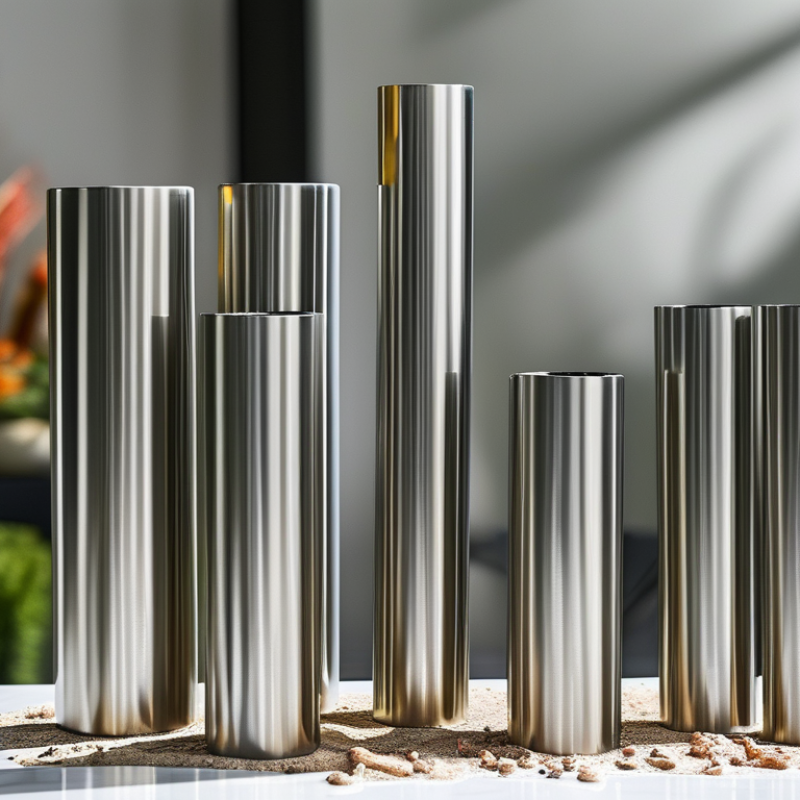
Understanding Different Types of Stainless Steel for Decoration Pipes
Choosing the right stainless steel for decoration pipes is crucial. Different grades offer distinct properties. For instance, 304 stainless steel is a popular choice. It provides good corrosion resistance and durability, making it ideal for many applications. However, it might lack some strength compared to higher grades.
Another option is 316 stainless steel. This type is even more resistant to corrosion, particularly in marine environments. It's a reliable choice for outdoor decorations or areas with high humidity. Yet, 316 is often more expensive. Weighing costs versus benefits is essential before making a decision.
Lastly, there is 430 stainless steel, which is less expensive but not as corrosion-resistant. It's perfect for indoor decorations but could tarnish in moist conditions. Always consider the specific environment when selecting. It's easy to overlook subtle differences in stainless steel grades. Taking the time to understand them can lead to better aesthetic and functional outcomes.
Essential Tips for Choosing Stainless Steel Decoration Pipes
This chart illustrates the various types of stainless steel commonly used for decoration pipes, highlighting their popularity based on different applications.
Key Factors to Consider When Selecting Stainless Steel Pipes
Choosing stainless steel decoration pipes is not just about aesthetics. Key factors such as durability, corrosion resistance, and finish play a vital role. When selecting pipes, consider the environment they will be exposed to. High humidity or salty air can lead to quicker degradation. Opting for higher grades of stainless steel increases longevity.
Tips for selection include checking the thickness. Thicker pipes generally offer better strength and resistance to bending. Look for pipes with a smooth finish. A polished surface is easier to clean and maintain. Also, pay attention to welding seams. Quality seams reduce the risk of corrosion and enhance the overall appearance.
It's essential to evaluate your design needs. Sometimes, the ideal pipe size might not be available. A shorter or longer pipe could make installation tricky. Be open to adjustments while keeping your aesthetic goals in mind. Remember that while functionality is key, the design should not be compromised.
Assessing the Aesthetic Qualities of Stainless Steel Decoration Pipes
When selecting stainless steel decoration pipes, assessing their aesthetic qualities is crucial. The visual appeal of these pipes often enhances the overall design of structures. According to a recent industry report, 70% of consumers prioritize aesthetics over functionality when choosing materials for decoration. This statistic highlights the importance of the visual impact of stainless steel.
Stainless steel offers a sleek, modern appearance. Its reflective surface can create an illusion of space in smaller areas. However, imperfections like scratches or fingerprints can detract from its beauty. Many designers recommend choosing pipes with a brushed finish. This finish helps hide minor blemishes while maintaining an elegant look.
Color also plays a significant role in the appeal of stainless steel decoration pipes. A recent survey indicated that 60% of designers favor colored stainless steel for visual diversity. Yet, colors can fade over time, especially in outdoor settings. It's essential to weigh aesthetic desires against long-term performance. Reflecting on these factors can lead to better decision-making.
Evaluating Durability and Maintenance Requirements of Stainless Steel Pipes
When selecting stainless steel decoration pipes, understanding durability is crucial. Stainless steel offers superior resistance to corrosion and rust. This feature allows pipes to maintain their aesthetic appeal over time. Yet, it's important to know that not all grades of stainless steel are created equal. Different grades have varying resistance levels to environmental factors.
Maintenance requirements should not be overlooked. Even though stainless steel is low-maintenance, it still needs attention. Regular cleaning is essential to prevent buildup. Dirt and grime can diminish its shine. In harsher environments, more frequent upkeep may be necessary. This could impact your long-term maintenance strategy.
One common misconception is that stainless steel is completely maintenance-free. This is not true. Periodic inspections for scratches or dents help ensure the pipes remain in good condition. Addressing these minor issues early can save significant time and cost later. Understanding these aspects can help you make a more informed choice for your projects.
Cost Considerations and Budgeting for Stainless Steel Decoration Projects
When budgeting for stainless steel decoration projects, cost considerations are crucial. Stainless steel pipes can vary significantly in price, depending on quality and size. It is important to assess your project's requirements to avoid overspending. Establish a clear budget that includes not just the pipes but also installation and maintenance costs. This helps in making informed decisions throughout the project.
Choosing the right supplier can influence your overall costs. Always seek quotes from multiple vendors. Compare prices and quality thoroughly before making a commitment. Sometimes, the cheapest option isn’t the best. Quality materials can save money in the long run by requiring less maintenance.
Remember to account for additional expenses like shipping and taxes. These can often catch you off guard. Planning for unexpected costs is wise. Reflect on how these financial choices align with your project’s overall goals. Quality over quantity often leads to better outcomes. By focusing on wise budgeting, you can ensure a successful and aesthetically pleasing result.
Essential Tips for Choosing Stainless Steel Decoration Pipes
| Aspect | Considerations | Budget Impact |
| Material Quality | Choose high-grade stainless steel to ensure durability and resistance to corrosion. | Higher quality steel increases initial costs but reduces long-term maintenance expenses. |
| Pipe Diameter | Select optimal pipe diameter for aesthetic appeal and structural integrity. | Wider pipes may cost more but can save on installation costs when used correctly. |
| Finish Type | Consider polished vs. brushed finishes for visual and maintenance preferences. | Polished finishes generally require a higher budget due to additional processing. |
| Length of Pipes | Assess required lengths for your specific project applications. | Ordering standard lengths can often be more cost-effective than custom sizes. |
| Supplier Reliability | Research suppliers for quality assurance and delivery reliability. | Reliable suppliers may charge a premium, but it can prevent project delays. |

