What is a Shower Enclosure Connector and How to Choose One?
In the world of bathroom design, the choice of fittings plays a critical role. One often overlooked component is the Shower Enclosure Connector. This small but vital element ensures the stability and functionality of shower enclosures, which are increasingly popular in modern homes. According to a report from the National Kitchen and Bath Association, more than 60% of homeowners prioritize quality shower fittings in their renovation plans.
The right Shower Enclosure Connector not only enhances durability but also affects overall aesthetic appeal. The industry has seen a significant increase in demand for high-quality connectors, with a projected growth of 5% annually over the next five years. However, many consumers still struggle with selecting the best options for their needs. This can lead to costly mistakes.
Choosing the appropriate connector requires a blend of knowledge and careful consideration. Factors such as material, size, and compatibility with existing systems must be assessed. Many shoppers lack access to expert guidance, making it easy to feel overwhelmed. This underscores the importance of understanding this seemingly minor component's role in achieving a successful and safe shower enclosure installation.
What is a Shower Enclosure Connector?
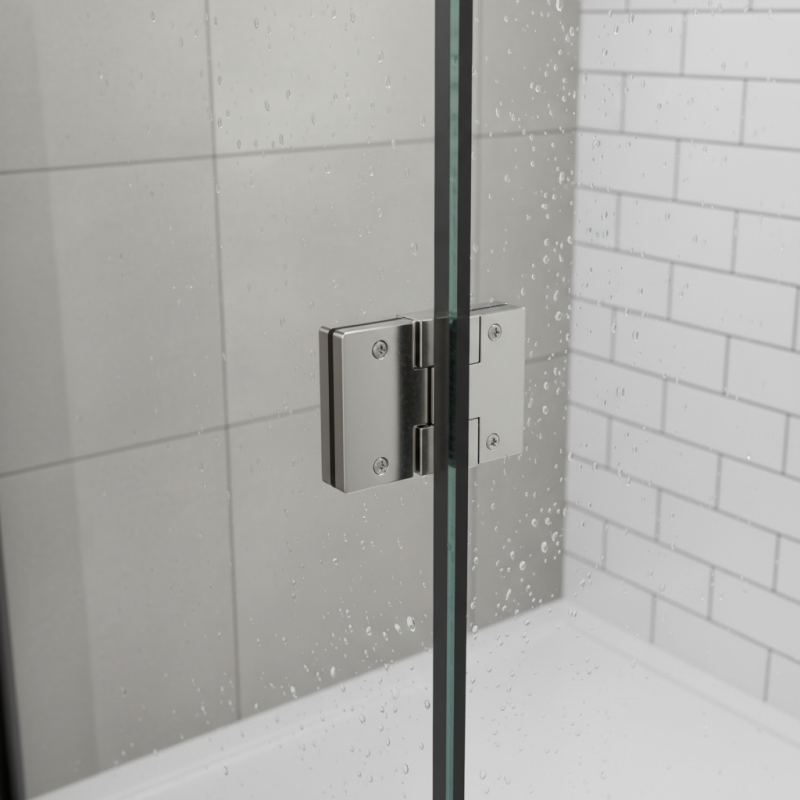
A shower enclosure connector is a crucial element in modern bathroom design. It serves to link various parts of a shower enclosure, ensuring a seamless and waterproof experience. These connectors help integrate panels, doors, and walls, creating a functional and aesthetically pleasing space. Without a proper connector, water leakage and instability may occur, leading to extensive damage over time.
When selecting a shower enclosure connector, consider the material and design. Connectors come in various materials like stainless steel, plastic, or aluminum. Each material offers different levels of strength and durability. It's essential to choose one that matches your enclosure's overall design, ensuring a cohesive look. Reflect on your bathroom's style. An ill-fitting connector can disrupt the visual harmony, making the entire space feel disjointed.
Also, not all connectors are equally reliable. Some may wear down faster than others, leading to future headaches. Research and read customer reviews before making a choice. This reflection is vital. A connector's function is often overlooked until problems arise. A little investment of time can save you from embarrassment and costly repairs later on.
Types of Shower Enclosure Connectors Available
When selecting a shower enclosure connector, it's crucial to consider the various types available. Each type serves a specific purpose and can influence the overall functionality of your shower. Common types include hinged connectors, bi-fold connectors, and wall-mounted connectors. Hinged connectors allow doors to swing either in or out. They provide a seamless look and are easy to operate.
Bi-fold connectors help save space. They fold in half when opened, ideal for smaller bathrooms. Wall-mounted connectors, on the other hand, provide stability by securing the enclosure directly to the wall. This type can enhance the sturdiness of frameless enclosures. Each option has its pros and cons, depending on your bathroom layout and personal preference.
Choosing the right connector involves careful thought. Analyze your bathroom space and the style you want. Installers often face challenges when fitting off-the-shelf connectors. Misalignment can lead to leaks and other issues. It's important to ensure precise measurements are taken before installation. Consult a professional if you're unsure about moving forward.
Factors to Consider When Choosing a Connector
When selecting a shower enclosure connector, several factors are crucial to consider. The material of the connector is essential for durability and longevity. Common materials include stainless steel, plastic, and brass. Each has unique strength levels. According to industry reports, stainless steel connectors are preferred for their corrosion resistance and overall reliability.
The size of the connector matters, too. Proper sizing ensures a secure fit. Misfit connectors can lead to leaks or structural issues. It’s advisable to check the specifications of your shower enclosure carefully. Measure twice to avoid costly mistakes.
**Tips:** Always consult installation guidelines provided by manufacturers. They offer essential insights into compatibility. Seek advice from professionals if unsure. This can save time and avoid future headaches. Regular maintenance checks are vital for long-term performance. Ensure the connectors remain secure and free from rust.
Lastly, consider compatibility with your existing plumbing. The right connector aligns seamlessly with current systems. Using incompatible connectors might cause pressure issues. A well-informed choice can enhance your space while ensuring safety and functionality.
Shower Enclosure Connector Analysis
Installation Tips for Shower Enclosure Connectors
When installing a shower enclosure connector, attention to detail is key. Proper alignment ensures a tight seal and prevents leaks. Begin by measuring the height and width of the enclosure. An inaccurate measurement can lead to frustrating adjustments later. Choose connectors made from corrosion-resistant materials. This choice enhances durability, especially in a humid environment.
Prepare the installation area by cleaning it thoroughly. Any debris or moisture can compromise the adhesive bond. While installing, apply the adhesive uniformly. Uneven application may create weak spots. It's common to miss spots, so take your time.
After assembly, allow the adhesive to cure completely. Rushing this step can lead to a weak connection. As with any project, imperfections are likely. Review your work and be prepared to make adjustments. Installation tips like these can make the process smoother and more rewarding.
Maintenance and Care for Shower Enclosure Connectors
When it comes to maintaining a shower enclosure connector, routine care is crucial. Regular cleaning prevents the buildup of grime and mold. Use a gentle cleaner and a soft cloth to wipe down surfaces. Avoid harsh chemicals that can damage the connector's finish. This practice not only keeps it looking new but also extends its lifespan.
Check for signs of wear regularly. Look for loose screws or rust. If a connector appears worn out, it may need a replacement. Ignoring these signs can lead to bigger problems, like leaks. A small issue can become a major repair if overlooked.
Consider the environment around your shower. Humidity can affect connectors over time. Keep the area well-ventilated to minimize moisture buildup. If you notice persistent issues, it may be time to consult a professional. They can offer insights that you might miss. Small adjustments can make a significant difference in the longevity of your shower enclosure connector.

