Why You Need the Right Plumbing Fittings for a Leak-Free Home
In the realm of home maintenance, ensuring a leak-free environment is a top priority for homeowners and builders alike. One crucial element often overlooked is the selection of appropriate plumbing fittings. According to industry expert John Matthews, a seasoned plumber with over two decades of experience, "Using the right plumbing fittings not only prevents leaks but also prolongs the lifespan of your plumbing system." This statement underscores the importance of quality fittings in safeguarding your home against water damage, which can lead to costly repairs and safety hazards.
Plumbing fittings serve as the connectors, adapters, and accessories that tie together every aspect of your plumbing system, from pipes to fixtures. When these fittings are not chosen carefully, even the smallest flaw can result in significant leaks, potentially compromising both the structural integrity of the building and the health of its occupants. As homeowners take on DIY projects or hire professionals for installations, understanding the function and requirement of plumbing fittings becomes essential. Proper selection and installation are vital not just for functionality, but for ensuring peace of mind in your home’s plumbing system.
Understanding Plumbing Fittings and Their Role in Home Maintenance
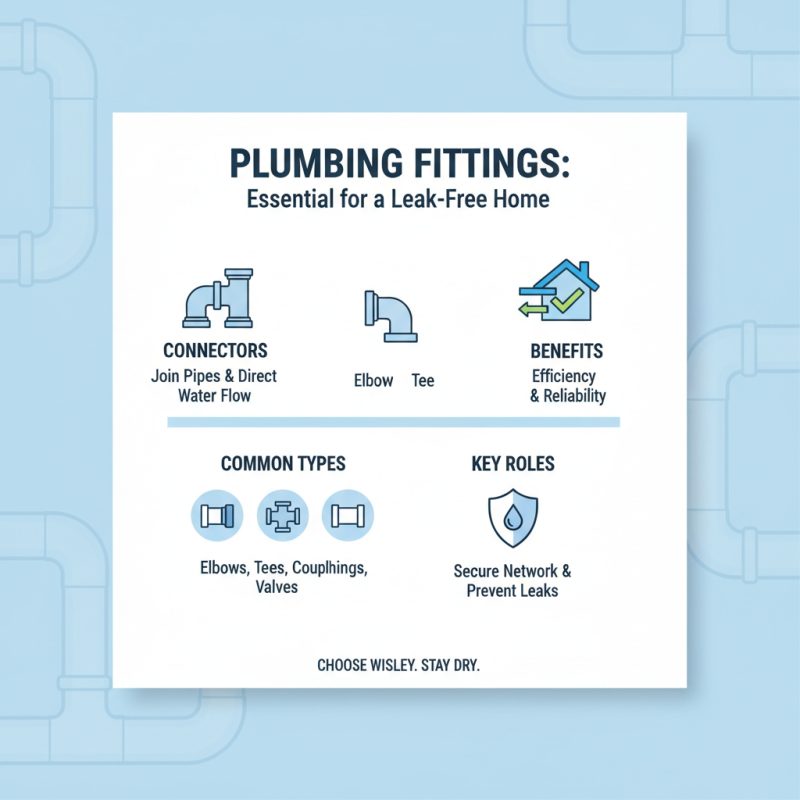
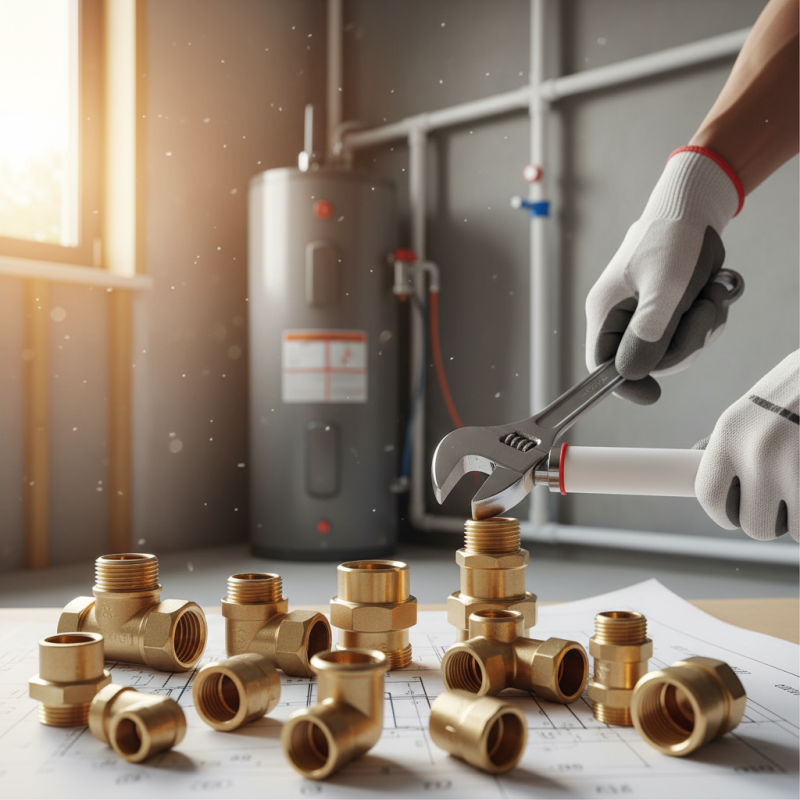
Understanding plumbing fittings is essential for maintaining a leak-free home. These fittings serve as the connectors in your plumbing system, allowing pipes to join together and directing water flow throughout your space. From elbows and tees to couplings and valves, each type of fitting plays a unique role in ensuring a solid and secure plumbing network. Choosing the right fittings not only helps to prevent leaks but also contributes to the overall efficiency of your plumbing system.
In the context of home maintenance, proper installation and selection of plumbing fittings can significantly reduce the risk of water damage. Fittings that are mismatched in size or made of incompatible materials can lead to pressure issues or slow leaks that may go unnoticed until extensive damage occurs. Understanding the specific requirements of your plumbing system—including the material of your pipes and the pressures they will encounter—enables homeowners to make informed decisions, ultimately safeguarding their investment and providing peace of mind. Hence, taking the time to comprehend plumbing fittings is a key aspect of effective home maintenance and long-term plumbing health.
Different Types of Plumbing Fittings and Their Applications
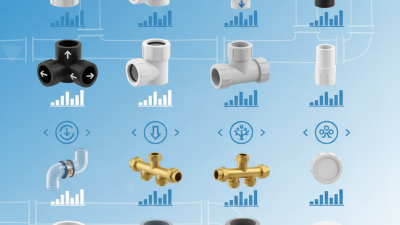
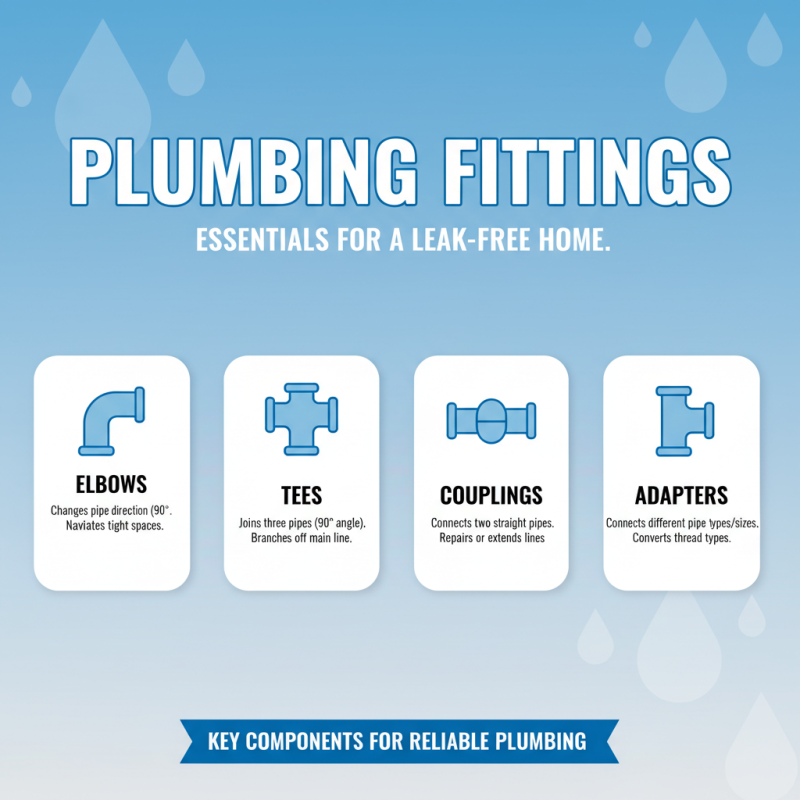
Plumbing fittings are essential components that ensure a leak-free home. Understanding the various types of fittings and their specific applications is crucial for any plumbing project. The most common types include elbows, tees, couplings, and adapters. Elbows are used to change the direction of piping, which is vital in navigating through tight spaces and fitting plumbing systems into specific layouts. Tees allow pipes to intersect at a 90-degree angle, making them ideal for joining different pipe runs together.
Couplings serve as connectors that join two similar pipes together, while adapters facilitate the connection between two pipes of different sizes or materials. Each fitting plays a significant role in maintaining the integrity of the plumbing system, minimizing potential leaks and improving overall functionality.
Tips: When selecting fittings, always consider the material compatibility with your pipes—PVC, copper, or PEX. Additionally, ensure that the fittings are properly sized to prevent pressure build-up, which can lead to leaks. Regularly check for signs of wear or damage, as even a small defect in a fitting can compromise your plumbing system.
Common Causes of Leaks and How the Right Fittings Help Prevent Them
Leaks in plumbing systems can cause significant damage to homes, with estimates from the Environmental Protection Agency (EPA) suggesting that leaks can waste more than 1 trillion gallons of water annually in the United States alone. The common culprits behind these leaks include faulty fittings, worn-out seals, and poorly installed connections. Choosing the right plumbing fittings plays a crucial role in preventing leaks, as high-quality components are designed to withstand pressure fluctuations and resist corrosion, significantly reducing the likelihood of failure.
Professional plumbers recommend that homeowners use fittings made from durable materials such as brass or stainless steel, which are less likely to deteriorate over time. Studies indicate that using high-standard plumbing fittings can reduce leak occurrences by up to 90%. Proper installation is equally vital; ensuring that fittings are installed with the correct sealing techniques, like using Teflon tape or thread sealants, can further enhance their effectiveness in preventing leaks. By prioritizing the right materials and installation practices, homeowners can establish a more reliable plumbing system, minimizing the risk of costly water damage and maintaining a leak-free home.
Why You Need the Right Plumbing Fittings for a Leak-Free Home - Common Causes of Leaks and How the Right Fittings Help Prevent Them
| Issue |
Common Causes |
Recommended Fitting Type |
Preventive Measures |
| Leaky Pipes |
Corrosion, high water pressure |
PVC or copper fittings |
Regular inspections, pressure regulation |
| Faulty Joints |
Improper installation, wear over time |
Screw-on or compression fittings |
Professional installation, regular maintenance |
| Clogged Drains |
Debris accumulation, grease buildup |
Trap fittings |
Regular cleaning, use of drain covers |
| Running Toilets |
Worn out flapper, faulty fill valve |
Flapper fittings |
Routine checks, immediate replacements |
| Burst Pipes |
Freezing temperatures, high water pressure |
Metal or flexible pipe fittings |
Insulation, pressure monitoring |
Choosing the Right Materials for Plumbing Fittings: A Guide
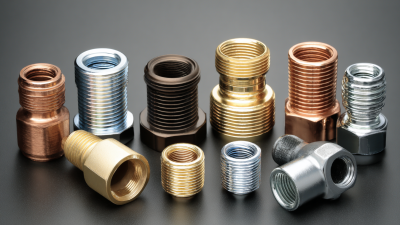
When it comes to plumbing, the right materials for fittings are crucial for ensuring a leak-free experience in your home. Choosing the correct type of fittings can minimize the risks of leaks and water damage, which can lead to costly repairs. Common materials used for plumbing fittings include PVC, copper, and brass, each offering unique benefits suited for different applications.
PVC fittings are lightweight and resistant to corrosion, making them ideal for drainage systems. In contrast, copper fittings are favored for their durability and ability to handle high temperatures, often used in hot water lines.
In addition to selecting the right material, considering the environment in which your plumbing will operate is equally important. For instance, if your pipes will be exposed to harsh weather conditions, opting for corrosion-resistant materials will enhance longevity. Additionally, it's crucial to ensure that the fittings are compatible with the plumbing system in your home—this includes size, pressure ratings, and connection types. By carefully evaluating these factors, you can make informed decisions that promote a secure and efficient plumbing system, ultimately maintaining the integrity of your home against leaks.
Tips for Installing and Maintaining Plumbing Fittings for Longevity
Choosing the right plumbing fittings is crucial for ensuring a leak-free home. Proper installation and maintenance can significantly extend the lifespan of these components. According to the American Society of Home Inspectors, plumbing leaks account for approximately 10% of the water consumption in an average household, which emphasizes the need for quality fittings that prevent such issues.
**Tips for Installing Plumbing Fittings:** When installing plumbing fittings, ensure that all connections are secured tightly and that the threads are clean and lubricated. A common mistake is using too much sealant, which can cause more harm than good. Aim for a balance; a thin, even layer is often sufficient for a solid seal. Additionally, using the right tools, such as a torque wrench, can help you avoid over-tightening, which can stress the fittings and lead to premature failure.
**Maintaining Plumbing Fittings:** Regular inspections are key to maintaining your plumbing system. Check fittings for signs of corrosion or wear at least once a year, and replace any components that appear compromised. The Federal Environmental Protection Agency (EPA) states that proactive maintenance can reduce the risk of leaks by up to 30%. Keeping your plumbing fittings clean and free of debris will also help maintain their integrity and functionality over time.
Plumbing Fittings Performance Over Time