What Is PVC Pipe? Types, Uses, and Benefits Explained
PVC pipe, or polyvinyl chloride pipe, serves as a cornerstone in the plumbing and construction industries, known for its versatility, durability, and cost-effectiveness. According to a recent report by the Plastics Pipe Institute, the demand for PVC pipes has expanded significantly, with a projected annual growth rate of approximately 5% from 2021 through 2026. This rising trend can be attributed to the increasing urbanization and the need for efficient water management systems, as governments and industries alike invest in modern infrastructure.
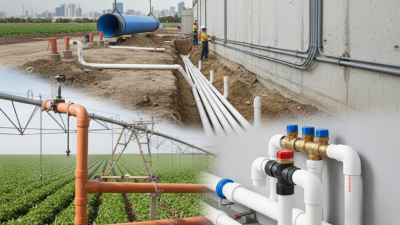
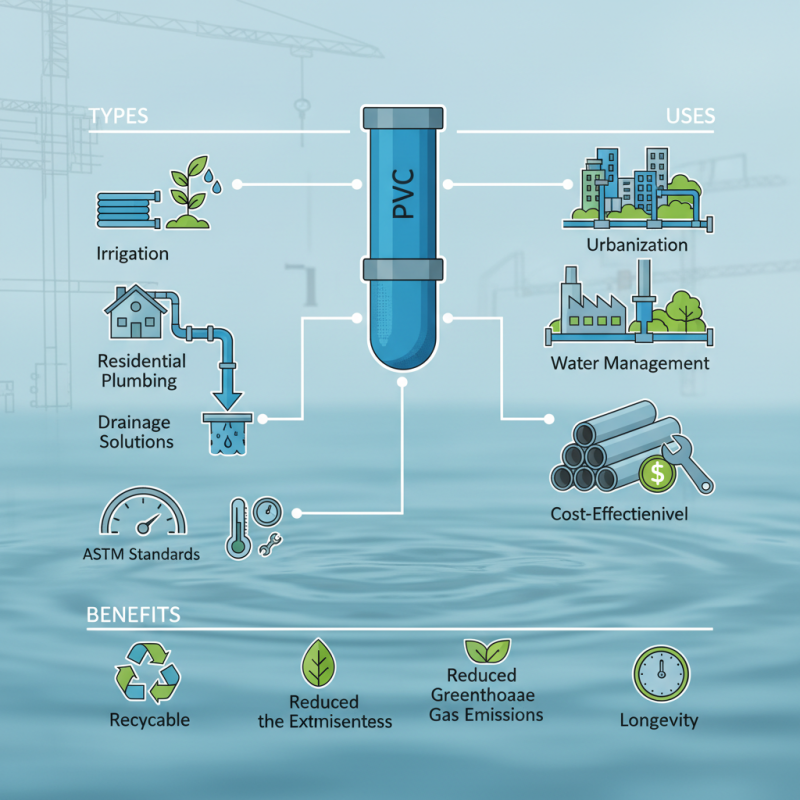
The various types of PVC pipes available cater to a myriad of applications, ranging from irrigation systems and drainage solutions to residential plumbing. The American Society for Testing and Materials (ASTM) identifies several classifications of PVC pipes, each designed to meet specific pressure and temperature requirements. The inherent properties of PVC, such as resistance to corrosion and lower production costs, further enhance its appeal, making it a preferred choice across multiple sectors.
As sustainability becomes a focal point in construction, PVC pipes also offer significant environmental benefits. They are recyclable, contribute to reduced greenhouse gas emissions during manufacturing, and their longevity reduces the need for frequent replacements. This comprehensive overview of PVC pipes, their types, uses, and benefits elucidates their essential role in modern infrastructure and sustainable practices.
What Is PVC Pipe?
PVC pipe, or polyvinyl chloride pipe, is a widely used plastic material in the construction and plumbing industries. It is known for its durability, affordability, and resistance to corrosion and chemicals. PVC pipes can be utilized for a variety of applications, including drainage, irrigation, and water supply systems. According to the Plastics Industry Association, the use of PVC pipes in municipal water systems is projected to grow, reflecting its reliability in infrastructure projects.
One of the defining characteristics of PVC pipe is its lightweight nature, making it easier to transport and install compared to traditional materials like metal or concrete. Additionally, PVC pipes exhibit excellent tensile strength, which allows them to withstand high pressure and rough handling. The National Association of Home Builders reports that PVC accounts for more than 70% of the plastic pipe market in North America, highlighting its dominance and suitability for various plumbing and mechanical systems.
Moreover, PVC pipes are highly versatile, catering to both residential and commercial needs. They can be utilized in soil and waste applications, venting systems, and even electrical conduits. The environmental impact is also noteworthy, as PVC is recyclable and has a lower carbon footprint compared to alternatives when considering the entire lifecycle of the material. The emerging trend of sustainability in construction further boosts the demand for PVC pipes, aligning with the industry’s shift towards eco-friendly practices.
Types of PVC Pipes and Their Specific Applications
PVC (Polyvinyl Chloride) pipe is a versatile material widely used across various industries due to its durability and cost-effectiveness. There are several types of PVC pipes, each tailored for specific applications. The most commonly used types include Schedule 40, Schedule 80, and CPVC (Chlorinated Polyvinyl Chloride). Schedule 40 pipes are lightweight and typically used for drainage and irrigation systems. In contrast, Schedule 80 pipes are thicker and designed for higher pressure applications, making them suitable for industrial settings.
CPVC pipes differ from standard PVC in that they can handle higher temperatures, making them ideal for hot water applications in residential and commercial plumbing. According to a report by the Plastics Pipe Institute, the use of PVC pipes in construction and infrastructure projects has seen a substantial increase, with the market projected to reach $73 billion by 2024. This growth is attributed to the material’s resistance to corrosion and ease of installation, significantly reducing labor costs.
Additionally, PVC pipes contribute to sustainability efforts, as they are recyclable and lead-free. The energy efficiency of PVC pipes during production and their long lifespan—often exceeding 50 years—further enhance their appeal. Industry studies indicate that the total life-cycle environmental impact of PVC pipes is lower than that of alternative materials, solidifying their role in modern plumbing and construction systems.
Benefits of Using PVC Pipes in Various Industries
PVC pipes, known for their versatility and durability, have become a staple in various industries ranging from construction to agriculture. One of the primary benefits of using PVC pipes is their resistance to corrosion and chemical damage, making them ideal for transporting water, chemicals, and waste materials without the risk of degradation. Additionally, PVC pipes are lightweight, which simplifies handling and installation, ultimately reducing labor costs and time.
Another significant advantage of PVC pipes is their long lifespan, which can exceed 50 years with proper maintenance. This longevity not only minimizes replacement frequency but also contributes to lower overall costs for businesses. Their smooth interior surfaces prevent buildup, ensuring a steady flow of liquids and reducing maintenance needs. Industries such as plumbing, electrical, and irrigation have all embraced PVC pipes for their reliability and cost-effectiveness.
**Tips:** When selecting PVC pipes for your project, consider the specific requirements of your industry, including temperature and pressure ratings. It's also essential to match the pipe diameter to your flow needs to optimize performance. Regular inspection of the piping system can prevent potential issues, ensuring that the benefits of using PVC are fully realized over time.
What Is PVC Pipe? Types, Uses, and Benefits Explained - Benefits of Using PVC Pipes in Various Industries
| Type of PVC Pipe |
Common Uses |
Benefits |
| PVC Schedule 40 |
Water supply, irrigation systems |
Durable, lightweight, easy to install |
| PVC Schedule 80 |
High-pressure applications |
Higher pressure rating, chemical resistant |
| CPVC Pipe |
Hot water plumbing |
Thermal stability, suitable for hot water |
| PVC Pressure Pipe |
Municipal water systems |
Long lifespan, corrosion resistant |
| Sewer PVC Pipe |
Sewer systems |
Low cost, high durability |
| PVC Electrical Conduit |
Electrical insulation |
Non-conductive, resistant to moisture |
Installation and Maintenance Tips for PVC Pipe Systems
When it comes to the installation of PVC pipe systems, proper preparation and techniques are crucial to ensure a successful setup. First, it is essential to plan the layout carefully, taking into account the dimensions and requirements of your project. Make sure to measure the lengths of the pipes accurately and cut them using a saw designed for PVC, ensuring clean edges to facilitate a better seal. Additionally, using appropriate fittings and connectors is vital for creating a leak-free system. Always dry fit the components first to ensure everything aligns properly before applying any adhesives.
Maintenance of PVC pipe systems is relatively straightforward, but it still requires regular checks to prevent future issues. Inspect joints and connections periodically for signs of wear or leaks. If you notice any weak points, allow the system to dry before addressing the issue with suitable adhesives or repair kits. For cleaning, avoid harsh chemicals that could damage the pipe; instead, use warm water and a mild detergent to remove any buildup. By following these installation and maintenance tips, you can enjoy the benefits of PVC pipe systems for years to come.
PVC Pipe Types and Their Popularity
Environmental Considerations and Recycling of PVC Pipes
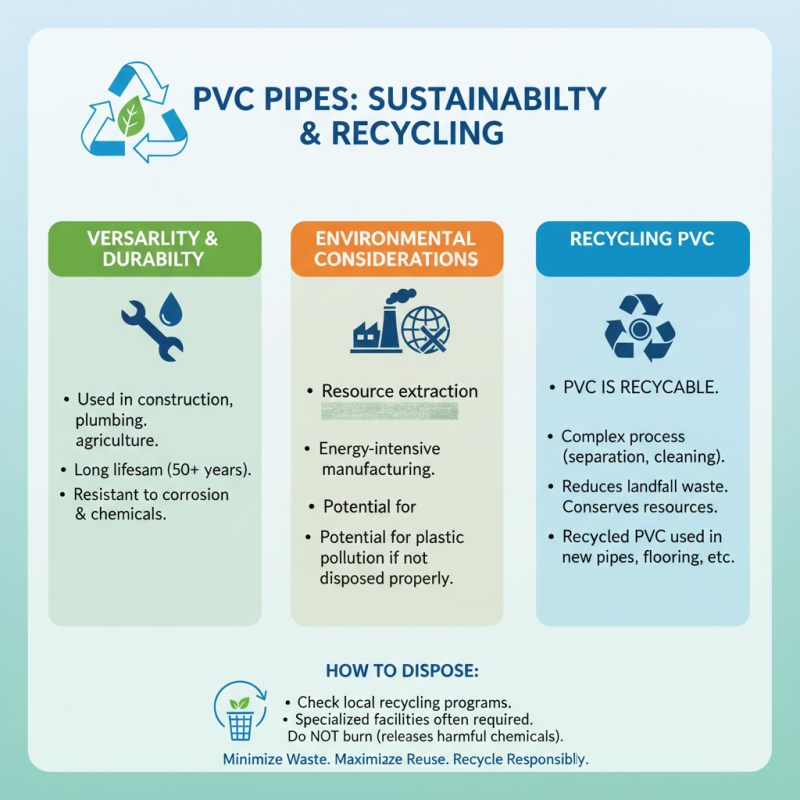
PVC pipes, or polyvinyl chloride pipes, are widely known for their versatility and durability in various applications. However, their environmental impact is an important consideration that cannot be overlooked. While PVC pipes themselves are recyclable, the recycling process can be complex. It’s essential to understand how to properly dispose of and recycle these materials to minimize waste and pollution.
When recycling PVC pipes, make sure they are clean and free of contaminants. Many local recycling programs accept PVC, but it’s advisable to check with your local waste management facility for specific guidelines. By understanding your community's recycling practices, you can ensure that your unused PVC pipes are processed correctly and contribute to a circular economy.
**Tips**: Always consult your local recycling center before disposing of PVC pipes, as not all facilities accept them. Consider repurposing old pipes for DIY projects or garden uses before opting to discard them. Engaging in community clean-up events can also raise awareness about proper disposal methods for PVC and other plastics.