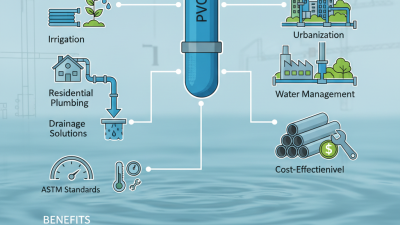
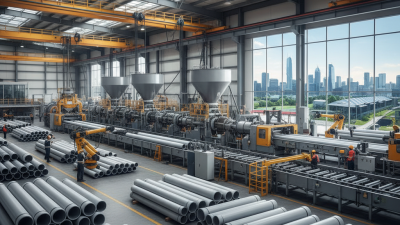
Top 10 PVC Pipe Types and Prices for Global Buyers

Buying PVC pipe for an international project involves more than comparing a number beside each product. Wall thickness, diameter, pressure rating, resin quality, and connection method can change the final cost significantly. This guide examines the top 10 PVC pipe types commonly used in water supply, drainage, irrigation, electrical protection, and industrial systems. It also explains how to interpret pvc pipe price differences across global markets.

A reliable comparison should begin with technical evidence. Check product dimensions, pressure classes, applicable standards, test reports, and supplier quality records. A low-cost pipe may appear attractive, but weak impact resistance or poor dimensional control can create installation problems. Freight also matters. A container filled with lightweight pipes may use space before it reaches its weight limit, affecting the delivered price. Regional resin costs, exchange rates, tariffs, packaging, and order volume can shift quotations quickly.

Prices rarely stay fixed.

The figures discussed here should serve as planning references, not final purchase promises. Even reputable suppliers revise offers when raw material costs change. That limitation deserves attention. Buyers should request current quotations and confirm whether prices include fittings, transport, taxes, testing, and protective packaging. A practical review compares both purchase cost and service life. In many projects, the cheapest pipe is not the most economical choice. The right selection balances performance, compliance, installation conditions, and dependable supply. Each type deserves careful evaluation before approval.
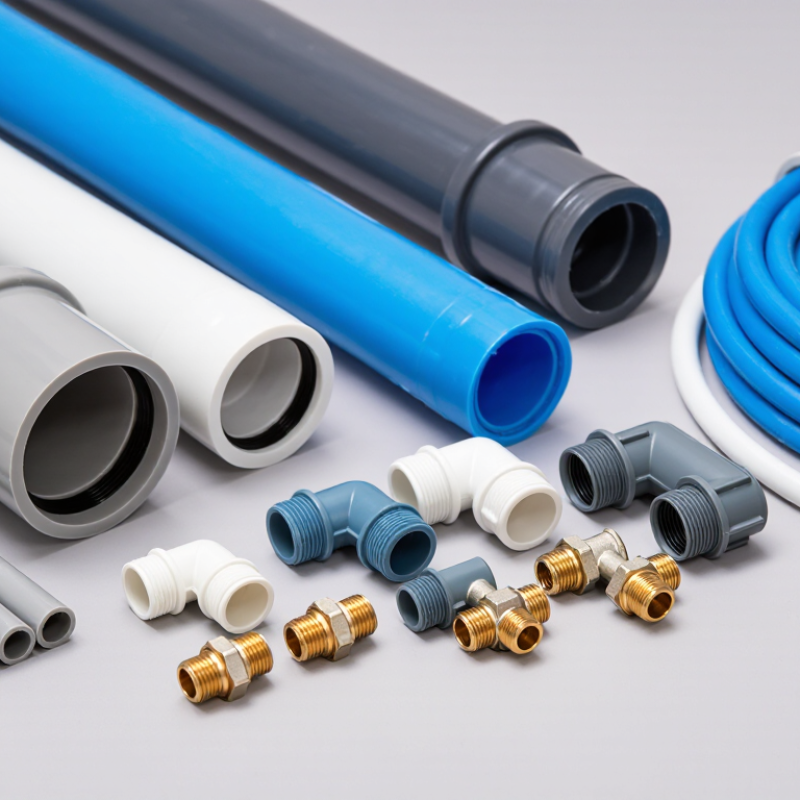
Top 10 PVC Pipe Types and Prices for Global Buyers

PVC Pipe Basics and Global Market Classification

PVC pipe selection begins with classification, not price. Global buyers usually group products by application, pressure rating, wall structure, and connection method. The main ten types include potable-water pressure pipe, drainage pipe, sewer pipe, electrical conduit, irrigation pipe, agricultural pipe, well-casing pipe, mining slurry pipe, chemical-process pipe, and foam-core drainage pipe.

Indicative export prices often range from USD 0.40 to 1.80 per metre for light drainage and electrical conduit. Pressure-rated water pipe may cost USD 1.00 to 6.00 per metre. Heavy-wall mining or well-casing products can exceed USD 8.00 per metre. These figures depend on diameter, resin content, wall thickness, testing, packaging, and shipping terms. A low quotation may hide thinner walls or weaker impact performance.

Classification also follows regional standards and local installation practice. Metric and imperial sizes are not always interchangeable. Socket joints suit many drainage systems, while threaded or flanged connections support specific industrial uses. Buyers should request test reports, pressure data, UV-resistance details, and sample measurements. Check the actual pipe weight. It often reveals more than a catalogue photo.

The difficult part is comparing prices fairly. One supplier may quote per metre, another per six-metre length. That causes confusion. My practical view is incomplete: service life also depends on soil, temperature, chemicals, and installation quality. A technically suitable pipe can still fail when bedding or joint alignment is poor.

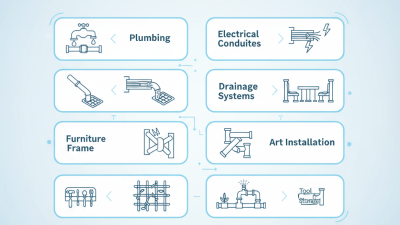
Ten Major PVC Pipe Types and Their Typical Applications

Top 10 PVC Pipe Types and Prices for Global Buyers

Ten Major PVC Pipe Types and Their Typical Applications

PVC pipe selection depends on pressure, temperature, soil conditions, and installation rules. Schedule 40 pipe suits household water lines and light-duty drainage. Schedule 80 pipe has thicker walls for higher pressure and exposed industrial service. Pressure-rated PVC carries water through irrigation networks, pump systems, and municipal lines. DWV pipe handles wastewater, soil discharge, and roof drainage. Sewer PVC serves buried sewage routes, where smooth inner walls help reduce blockage risks.

Electrical conduit PVC protects cables in walls, concrete, and underground trenches. Irrigation PVC supports garden, agricultural, and greenhouse distribution. Potable-water PVC is manufactured for approved drinking-water systems and requires certified fittings. Clear PVC helps technicians observe flow in laboratories, dosing equipment, and process lines. Perforated drainage PVC collects groundwater around foundations, roads, and landscaped areas. It is easy to overlook this type. Small holes can clog when filter fabric or gravel is poorly selected.

Tips: Check the pressure rating, outside diameter, wall thickness, and local approval marks before ordering. Compare total installed cost, not pipe price alone. Shipping, fittings, solvent, labor, and trench depth can change the final budget. A thin pipe may look economical. It may fail sooner in harsh conditions. Confirm temperature limits, because standard PVC performs poorly near sustained high heat. Field measurements and a qualified installer remain essential, although even experienced teams sometimes need to revise the design after soil inspection.

Top 10 PVC Pipe Types and Prices for Global Buyers

Typical wholesale prices are indicative global ranges in USD per meter, normalized to a 100 mm nominal diameter and excluding freight, taxes, fittings, and installation. Actual prices vary by pressure rating, wall thickness, standards, order volume, and destination.

PVC-U pressure pipes are commonly used for potable water and irrigation, while DWV, sewer, and corrugated pipes serve gravity drainage systems. CPVC is designed for higher-temperature water, electrical conduit protects cables, and flexible or clear PVC products are used where routing flexibility or visual inspection is required.

How PVC Pipe Prices Vary by Material, Size, and Pressure Rating

Top 10 PVC Pipe Types and Prices for Global Buyers

PVC pipe pricing changes sharply with resin quality, diameter, wall thickness, and pressure rating. Grand View Research’s 2024 plastic pipes report identifies PVC as the leading material segment, supported by its low weight and corrosion resistance. However, not every PVC pipe performs equally. Standard uPVC drainage pipe usually costs less than chlorinated PVC or reinforced pressure pipe. UN Comtrade 2023 data for HS 391723 shows reported international unit values commonly ranging from about US$1.5 to US$4.5 per kilogram. These figures combine different sizes and specifications, so they are only a rough trade reference.

Size affects the final price quickly. A 20 mm pipe may cost below US$1 per meter, while a 110 mm drainage pipe can exceed US$5 per meter. Larger diameters require more resin and stronger packaging. Pressure rating adds another cost layer. Pipes rated for 1.0 MPa or 1.6 MPa need thicker walls and tighter production controls than low-pressure conduit. ISO 1452 and ASTM pressure-pipe requirements help buyers compare performance, but certification and testing can increase the quotation.

Material choice matters too. Recycled-content PVC may reduce the purchase price, but consistency can vary between suppliers. That deserves scrutiny. Prices also change with resin costs, freight, exchange rates, and order volume. A 2024 industry procurement review from Freedonia notes that infrastructure demand remains a major driver for plastic pipe consumption. Buyers should request the pipe class, outside diameter, wall thickness, pressure rating, test standard, and price basis before comparing offers.

Regional Pricing Factors for International PVC Pipe Buyers

Top 10 PVC Pipe Types and Prices for Global Buyers

Regional pricing changes sharply, even for identical PVC pipe specifications. Resin costs, energy rates, labor, freight, and local certification all affect quotations. A basic drainage pipe may cost 0.80–2.50 USD per meter in large export markets. Pressure-rated pipe can reach 3–12 USD per meter, depending on diameter and wall thickness. These figures are indicative, not fixed.

Common categories include water supply, sewer, drainage, irrigation, electrical conduit, Schedule 40, Schedule 80, agricultural, foam-core, and reinforced PVC pipes. In Southeast Asia, competitive manufacturing can reduce factory prices, but inland transport may add significant costs. European buyers often pay more for testing, documentation, and stricter dimensional controls. Middle Eastern projects may require UV resistance, while African buyers often prioritize durable packaging and mixed-container loading.

Check the details carefully. Ex-works pricing excludes inland delivery, port fees, insurance, and customs charges. A 110 mm sewer pipe may appear inexpensive until long-distance freight is added. Small orders also create higher unit costs because molds, inspection, and pallet space are spread across fewer pieces. I have seen buyers compare only meter prices and overlook pressure ratings. That mistake can distort the entire budget. Exchange-rate changes create another uncertainty. Ask for resin grade, wall thickness, test reports, packing dimensions, and the delivered price before making a purchasing decision.

Top 10 PVC Pipe Types and Prices for Global Buyers - Regional Pricing Factors for International PVC Pipe Buyers
Indicative 2025–2026 wholesale export prices in USD per metre. Prices are based on typical unbranded products, standard packaging, and common sizes; they exclude freight, insurance, import duty, VAT/GST, and project-specific certification costs.
No. PVC Pipe Type Typical Application Common Standards Typical Size Basis Indicative Export Price
(USD/m)
Relative Regional Price Pattern Main Pricing Factors for International Buyers
1 uPVC Potable Water Pressure Pipe Cold-water distribution, municipal water mains, and building service lines. ISO 1452; ASTM D2241; local drinking-water regulations. 50–110 mm outside diameter; PN10–PN16 or SDR-rated. $1.80–$7.50 Lowest prices are commonly available from large-volume Asian production; Europe and North America usually carry higher compliance and logistics costs. PVC resin price, pressure class, wall thickness, potable-water certification, socket or gasket design, testing requirements, and order volume.
2 Schedule 40 PVC Pressure Pipe Residential water systems, light industrial fluid transfer, and general-purpose plumbing. ASTM D1785; NSF/ANSI 61 where drinking-water contact is required. 1½–4 in nominal diameter. $2.20–$10.00 North American prices are often influenced by inch-based tooling and ASTM compliance; other regions may favor metric SDR products. Schedule thickness, ASTM testing, threaded or plain ends, dimensional system, resin formulation, and domestic construction demand.
3 Schedule 80 PVC Industrial Pipe Corrosive chemical handling, industrial water, process lines, and higher-pressure applications. ASTM D1785; ASTM D2467 for compatible fittings. 1–4 in nominal diameter. $4.50–$18.00 Prices are typically higher in all regions because of thicker walls, higher material consumption, and more stringent dimensional control. Heavy wall thickness, chemical compatibility, pressure rating, high-temperature limits, inspection level, and industrial project certification.
4 PVC Sewer and Drain Pipe Gravity sewer networks, underground drainage, and non-pressure wastewater systems. ASTM D3034; EN 1401; ISO 4435. 110–200 mm outside diameter; SN4–SN8 stiffness class. $3.00–$13.50 Regional prices vary substantially with municipal infrastructure demand, ring-stiffness requirements, and local pipe-length standards. Wall thickness, stiffness class, elastomeric gasket, recycled-content rules, trench-load requirements, and project quantity.
5 PVC DWV Pipe Building drain, waste, and vent systems for residential and commercial construction. ASTM D2665; ASTM D3311; regional plumbing codes. 40–110 mm nominal or outside diameter, depending on the market. $1.30–$6.80 Prices are generally competitive in high-volume construction markets but increase where fire, acoustic, or low-emission requirements apply. Diameter, wall series, solvent-weld requirements, plumbing-code approval, color requirements, fittings mix, and retail-versus-project packaging.
6 PVC Electrical Conduit Protection of electrical cables in buried, exposed, and concrete-embedded installations. ASTM F512; IEC 61386; local electrical codes. 20–50 mm outside diameter; light, medium, or heavy duty. $0.65–$4.20 Asia often offers the lowest factory prices, while Europe and North America may have higher costs for flame, impact, UV, and electrical-code approvals. Impact resistance, UV stabilization, flame performance, wall thickness, length, color coding, certification, and cable-infrastructure demand.
7 PVC Irrigation Pipe Farm irrigation, greenhouse water supply, landscape irrigation, and low-to-medium pressure distribution. ASTM D2241; ISO 1452; regional agricultural standards. 25–75 mm outside diameter; SDR21–SDR41 is common. $1.00–$5.80 Prices tend to rise in water-stressed regions when agricultural investment and seasonal demand increase. Pressure class, UV exposure, farm-project volume, seasonal resin demand, fittings requirements, local water policy, and freight distance.
8 Corrugated PVC Drainage Pipe Subsoil drainage, roadway drainage, sports fields, landscaping, and agricultural land drainage. ASTM F405; ASTM F667; EN 13476 where applicable. 100–200 mm nominal diameter; perforated or solid wall. $2.50–$12.00 European prices are strongly affected by stiffness and environmental requirements; project prices in developing markets depend heavily on imported freight. Perforation pattern, filter sock, ring stiffness, recycled content, coil or straight-length format, soil conditions, and installation method.
9 PVC Well Casing and Screen Pipe Water wells, groundwater monitoring wells, and borehole casing systems. ASTM F480; AWWA-related practices; local groundwater regulations. 100–200 mm outside diameter; threaded or solvent-welded joints. $5.00–$24.00 Prices are often higher in remote regions because of specialized tooling, transport to drilling sites, and required well-development documentation. Collapse resistance, wall thickness, slot size, thread profile, potable-water approval, straightness, geological depth, and drilling-site logistics.
10 CPVC Hot-Water and Chemical Pipe Hot- and cold-water plumbing, corrosive chemical service, and selected industrial applications. ASTM D2846; ASTM F441; ISO 15877 where applicable. ½–2 in nominal diameter; commonly CTS or Schedule-based. $3.00–$15.50 Prices are usually above standard uPVC because chlorinated PVC resin, temperature performance, and certification requirements add cost. CPVC resin availability, operating temperature, pressure rating, potable-water approval, solvent cement compatibility, fire code, and local installer familiarity.
Buyer note: For an accurate international quotation, specify nominal diameter, wall series or SDR/Schedule, pressure or stiffness class, pipe length, joint type, color, applicable standard, certification, quantity, destination port, Incoterm, and required delivery date. Resin prices, energy costs, exchange rates, container availability, import duties, and regional standards can materially change the final landed price.

Selecting the Right PVC Pipe Supplier and Product Specification

Choosing the right PVC pipe supplier begins with the application, not the lowest price. Drainage, irrigation, potable water, electrical conduit, and industrial lines require different specifications. Wall thickness, pressure class, outside diameter, and temperature resistance directly affect service life. A pipe designed for gravity drainage should not replace a pressure-rated pipe.

Ask suppliers for detailed technical sheets, production tolerances, test reports, and material composition. Confirm whether the pipe uses virgin resin, recycled content, or a controlled blend. For international orders, check the relevant standards in the destination market. Certificates should match the exact product, not a similar model. This small detail is often overlooked.

Pricing also depends on length, color, fittings, packaging, order volume, and shipping terms. Compare complete quotations instead of comparing price per meter alone. Request samples with clear markings, then inspect socket fit, surface consistency, and measured wall thickness. A supplier that answers slowly may still offer good products, but unclear communication creates costly risk. I would avoid promises based only on photographs. One weakness in this approach is that laboratory reports cannot reveal every handling problem at the job site. Discuss loading methods, storage conditions, replacement policy, and lead times before placing the order. A reliable supplier should explain limitations plainly. That honesty matters.

top