What is the Purpose of Pipe Fittings in Plumbing Systems?
Pipe fittings play a crucial role in plumbing systems. They connect different sections of piping and ensure water flows smoothly. Without these fittings, plumbing would be chaotic. Fixtures, like sinks and toilets, rely on proper connections.
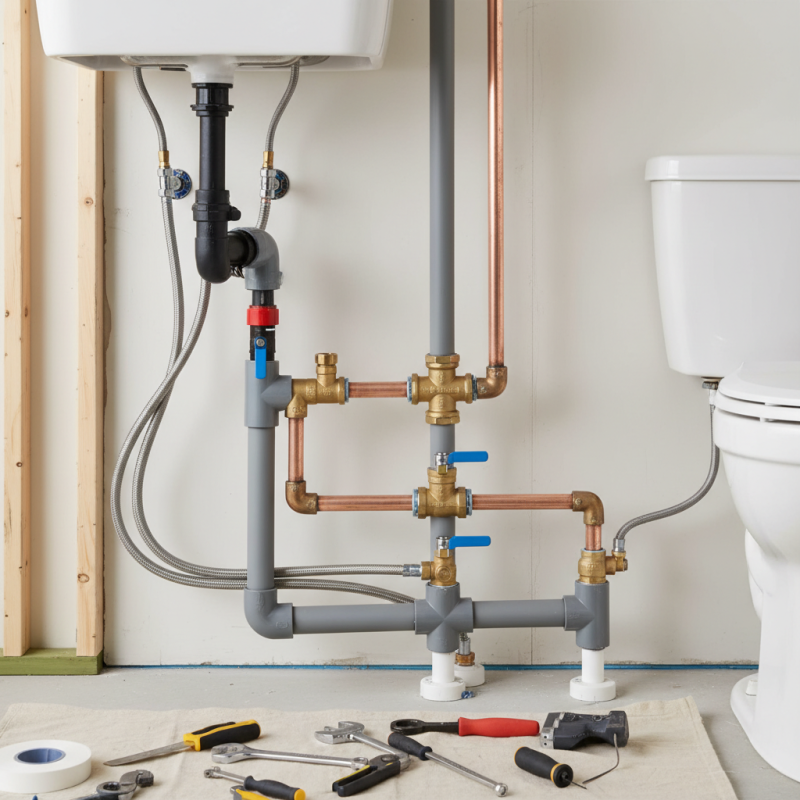
These fittings come in various shapes and sizes. Elbows, tees, and couplings are common types. Each type serves a specific purpose, such as changing direction or joining pipes. Understanding their function is vital for any plumbing project.
Yet, many overlook the importance of quality pipe fittings. Cheap fittings may seem tempting, but they often lead to leaks. Installing the right type with care can prevent costly repairs later. Therefore, it’s essential to choose wisely for effective plumbing.
Understanding Pipe Fittings: Definition and Importance in Plumbing
Pipe fittings play a crucial role in plumbing systems. They connect, redirect, and control the flow of water in pipes. Without these parts, a plumbing system would be incomplete and ineffective. Each fitting serves a specific purpose, like elbows for turns or tees for branching off. These elements ensure that water travels where it needs to go.
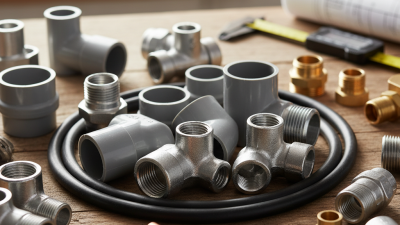
The materials and designs of pipe fittings vary greatly. Some are made from metal, while others are plastic. Each material has its pros and cons. For instance, plastic fittings are lightweight and easy to install. However, they might not withstand high pressures as well as metal options. Understanding these differences is essential for making informed choices.
Installation can also be tricky. Improper fittings can lead to leaks or bursts. It’s important to consider local codes and best practices when selecting fittings. Regular inspections are vital; they help identify any issues before they escalate. This proactive approach can save time and money down the line. Each fitting must be examined. Are they in good condition? It's worth asking these questions.
Different Types of Pipe Fittings and Their Specific Uses
Pipe fittings play a crucial role in plumbing systems, allowing for the connection of different pipes. They help direct water flow and maintain pressure. Various types serve specific functions.
Elbows are common. They change direction smoothly, ensuring efficient water movement.
Tees create branches, letting water flow in multiple directions.
Reducers are vital for transitioning between pipe sizes. They help maintain pressure and prevent leaks. Couplings connect two same-size pipes securely. They are essential for repairs and extensions. Each fitting type has its unique application.
The use of the wrong fitting can lead to issues. For instance, using a loose coupling might result in leaks. Similarly, inadequate sealing can cause water loss and increase bills. It's important to select the right fitting for longevity in piping systems.
How Pipe Fittings Contribute to the Efficiency of Plumbing Systems
Pipe fittings play a crucial role in plumbing systems. They connect different pipes, directing the flow of water through various angles and paths. Without these fittings, it would be impossible to create the intricate networks that manage water distribution. They help to maintain pressure and prevent leaks, ensuring that water arrives where it is needed most.
Efficiency hinges on details. The right fitting can enhance water flow and reduce waste. For instance, a well-placed elbow can change direction without causing turbulence. However, poor choices can lead to blockages and water hammer. Sometimes, it’s easy to overlook these small components, yet their impact is significant. Each connection must be secure and properly aligned.
Installation can be tricky. Improperly fitted joints may lead to leaks or weak spots. It’s essential to take time ensuring that everything is snug. Even minor gaps can lead to significant issues down the road. Evaluating the layout and flow patterns is vital. Making adjustments before sealing everything up can save time and hassle later.
Common Materials Used for Pipe Fittings in Plumbing Applications
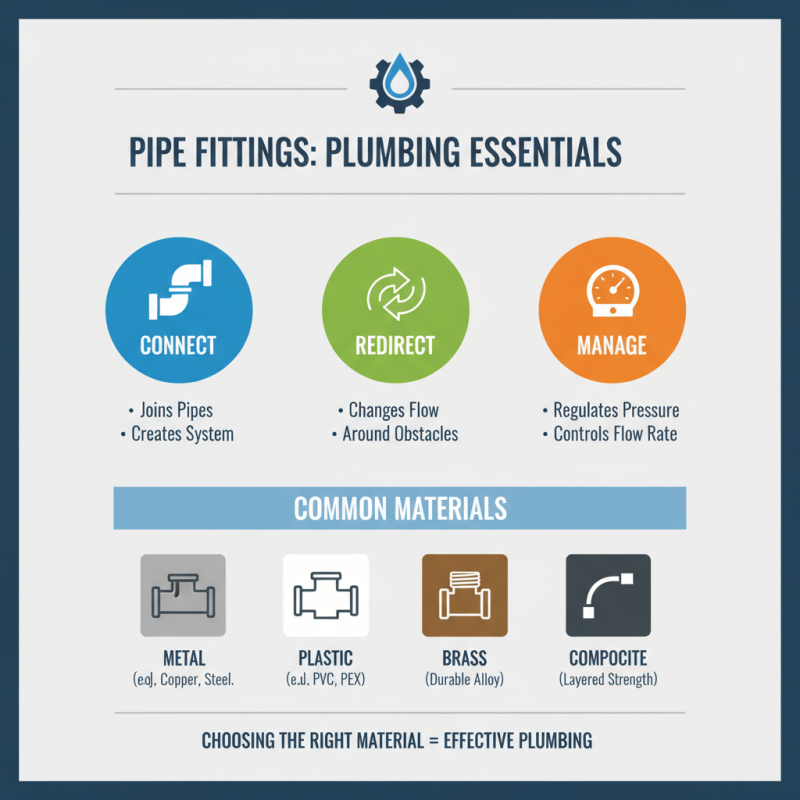
Pipe fittings play a critical role in plumbing systems. They connect pipes, redirect water flow, and manage pressure. Understanding the materials used for these fittings is essential for effective plumbing.
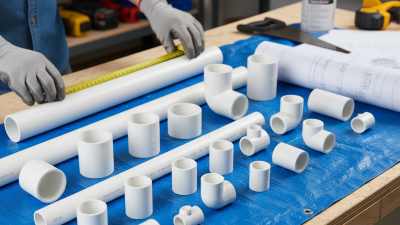
Common materials include PVC, copper, and stainless steel. PVC is lightweight and durable. It's often used for drainage systems. However, it may not withstand high temperatures. Copper offers excellent corrosion resistance. It’s reliable for both hot and cold water. Yet, copper can be more expensive and may require soldering skills.
Stainless steel is another popular choice. It is strong and resistant to rust. While it can be pricier, its longevity can justify the cost. Each material has its pros and cons. Knowing these helps DIY enthusiasts and professionals alike in making informed decisions. Choosing the right fitting can lead to more efficient plumbing systems. Mistakes can be costly and time-consuming. It’s worth reflecting on these factors before starting any plumbing project.
Maintenance Tips for Ensuring Longevity of Pipe Fittings in Plumbing
Pipe fittings play a crucial role in plumbing systems. They connect various pipes and help direct the flow of water. However, maintaining these fittings is essential for their longevity. Regular checks can prevent leaks and costly repairs. A report from the American Society of Civil Engineers indicates that over 30% of water waste is due to faulty fittings.
To ensure long-lasting performance, inspect fittings for corrosion. Use fittings that resist rust, especially in humid areas. Monitoring the water pressure is vital. High pressure can stress fittings and lead to failures. Regular maintenance can extend their lifespan by years.
Cleaning fittings also helps. Debris can build up and block flow. Use gentle cleaners, avoiding harsh chemicals. Interestingly, many homeowners neglect this step, leading to greater issues later. Awareness of these factors can save time and money in the long run.
Purpose of Pipe Fittings in Plumbing Systems