Top Packaging Machinery Trends You Need to Know in 2026?
As industries evolve, Packaging Machinery remains at the forefront of innovation. In 2026, the focus will shift toward automation. Smart technology is changing how products are packaged. Efficiency is key for manufacturers aiming to reduce costs and improve speed.
Sustainability is another critical theme in packaging. Companies are considering eco-friendly materials and processes. This shift challenges traditional practices but opens opportunities for new designs. The rise of e-commerce is also influencing packaging trends. Customized solutions are essential for online sales.
While advancements bring benefits, they also present challenges. Integrating new technologies can be complex. Businesses must invest in training and infrastructure. The future of Packaging Machinery holds promise, but careful planning is vital. Balancing innovation with practicality will determine success.
Emergence of Smart Packaging Technologies in 2026
Smart packaging technologies are set to transform the packaging industry by 2026. These advancements focus on enhancing product safety and consumer experience. New sensors and RFID technology will allow packages to communicate with devices. This interaction promotes sustainability by tracking product freshness and reducing waste.
In 2026, consumers will prefer packages that offer real-time data. Smart packaging will provide information about a product's location and status. However, integrating these technologies poses challenges. Many companies may struggle with the costs of implementation and maintenance. It remains crucial for businesses to weigh the benefits against potential drawbacks.
The rise of smart packaging also raises questions about data privacy. Consumers may be concerned about the information collected through these technologies. Transparency will be essential for gaining trust. Companies must ensure consumers understand how their data is used. Addressing these concerns effectively is vital for successful adoption in the market.
Integration of AI and Automation in Packaging Machinery
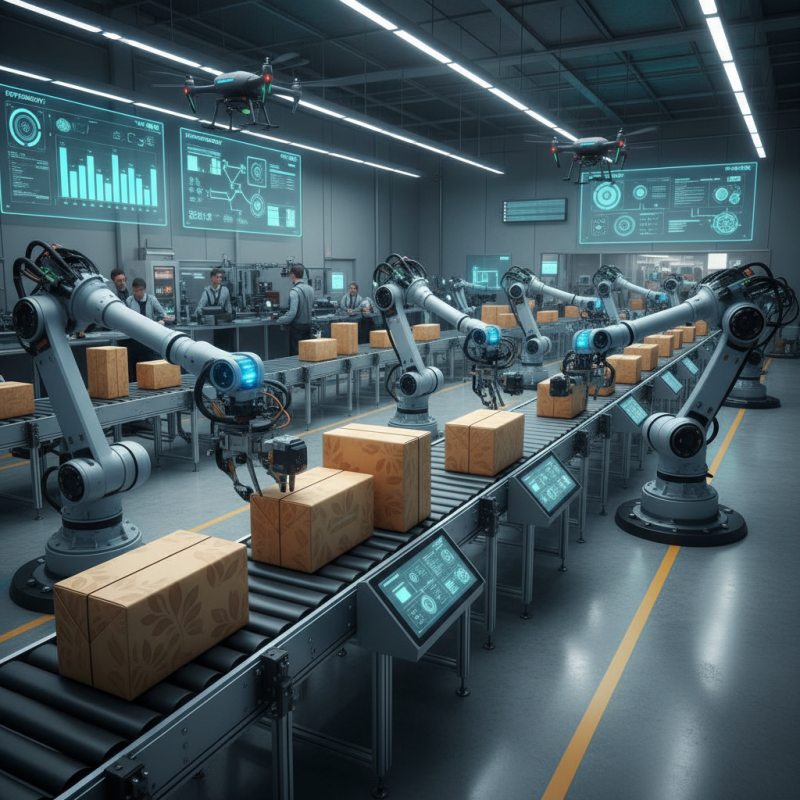
The integration of AI and automation in packaging machinery is reshaping the industry landscape. In 2026, precision and efficiency will dominate. Intelligent systems will analyze data in real time. This means fewer errors and more streamlined operations. Companies adopting these technologies gain a competitive edge.
Tips: Consider investing in staff training. Employees need to understand AI-driven systems. Real-time analytics require a skilled workforce to interpret data effectively. Moreover, machine-learning algorithms can suggest improvements. Regularly update these systems for optimal performance.
Automation also poses challenges. High upfront costs can deter smaller businesses. Some fear that machines will replace jobs. Balancing technology with human oversight is crucial. Thus, developing a hybrid model may be key. Collaborate with engineers to address these concerns early. Taking a measured approach fosters trust and enhances productivity.
Sustainability Trends Shaping Packaging Solutions
Sustainability is redefining the packaging machinery landscape. As businesses seek greener solutions, materials are evolving. Biodegradable plastics and recycled content are gaining traction. These innovations are not merely trends; they are becoming standard practices in many industries.
The push for sustainability also influences machinery design. Equipment is being engineered for energy efficiency. This shift reduces both carbon footprints and operational costs. However, the transition poses challenges. Many companies struggle with initial investment costs. Balancing sustainability with profitability requires careful planning and innovative thinking.
Packaging technologies are also adapting to consumer demands. More consumers prefer eco-friendly options. This shift influences packaging choices. Businesses must respond to this market demand or risk falling behind. Striking the right balance between sustainability and functionality is a complex task. It requires ongoing assessment and adjustments. As we look toward 2026, sustainability will continue to shape the future of packaging solutions.
Impact of E-commerce on Packaging Design and Machinery
E-commerce is reshaping packaging design in significant ways. As online shopping continues to grow, packaging must meet new demands. Efficient, secure, and sustainable packaging solutions are now essential. Shippers seek ways to protect products while keeping costs low. This has led to innovations in packaging machinery.
Machinery used in e-commerce packaging needs to be more flexible. High-speed, adjustable systems can accommodate various product sizes and shapes. Automated solutions help reduce labor costs and improve efficiency. However, not all companies have adopted these technologies. Some still rely on outdated machinery. This can lead to slow production times and increased waste.
Sustainability is another pressing concern. Consumers are more aware of environmental issues. They prefer brands that prioritize eco-friendly packaging. Companies struggle to balance functionality and sustainability. Using recyclable materials is a step forward, but the transition can be costly. Packaging machinery must evolve to support these new materials effectively. The challenge lies in achieving both durability and recyclability.
Advancements in Materials for Enhanced Packaging Efficiency
In 2026, advancements in packaging materials are set to revolutionize the industry. Lightweight composites and bio-based materials are becoming crucial for companies aiming to enhance efficiency. According to a recent report by Smithers Pira, the global demand for sustainable packaging is projected to reach $500 billion by 2027. This emphasizes the pressing need for innovative materials in packaging.
The rise of biodegradable films and recycled materials is noteworthy. These materials not only reduce waste but also help brands align with consumer preferences. Research shows that 72% of consumers prefer products with sustainable packaging. However, achieving the right balance between cost, functionality, and environmental impact remains a challenge for manufacturers. The industry must navigate these complexities to meet both regulatory demands and consumer expectations.
Moreover, developments in smart packaging are gaining traction. This includes materials that offer real-time monitoring of product quality. However, the integration of these technologies comes with its hurdles. Many companies struggle to adopt these advanced solutions due to budget constraints. Thus, while the future looks promising, the path to widespread implementation is fraught with challenges requiring deeper reflection and strategic planning.
Top Packaging Machinery Trends You Need to Know in 2026
| Trend | Description | Impact on Efficiency | Material Advancements |
| Automation Integration | Incorporation of AI and robotics in packaging lines. | Increases speed and reduces labor costs. | Use of lightweight, durable materials. |
| Sustainable Packaging | Shift towards eco-friendly materials and processes. | Lowers environmental impact and improves brand image. | Biodegradable plastics and recycled materials. |
| Smart Packaging Solutions | Implementation of IoT for real-time tracking and monitoring. | Enhances supply chain efficiency and product safety. | Conductive and responsive materials. |
| Flexible Packaging | Innovative designs that adapt to various product shapes. | Reduces material waste and improves shelf life. | Combination of barrier films and laminates. |
| Advanced Robotics | Use of collaborative robots in packaging tasks. | Streamlines operations and minimizes human error. | Robust, sensitive materials for human-robot interaction. |