Why Are PVC Pipe Sizes Important for Your Projects?
Understanding PVC pipe sizes is crucial for any construction project. Proper sizing impacts not only functionality but also efficiency. Each project has unique requirements. Choosing the wrong size can lead to leaks or insufficient flow.
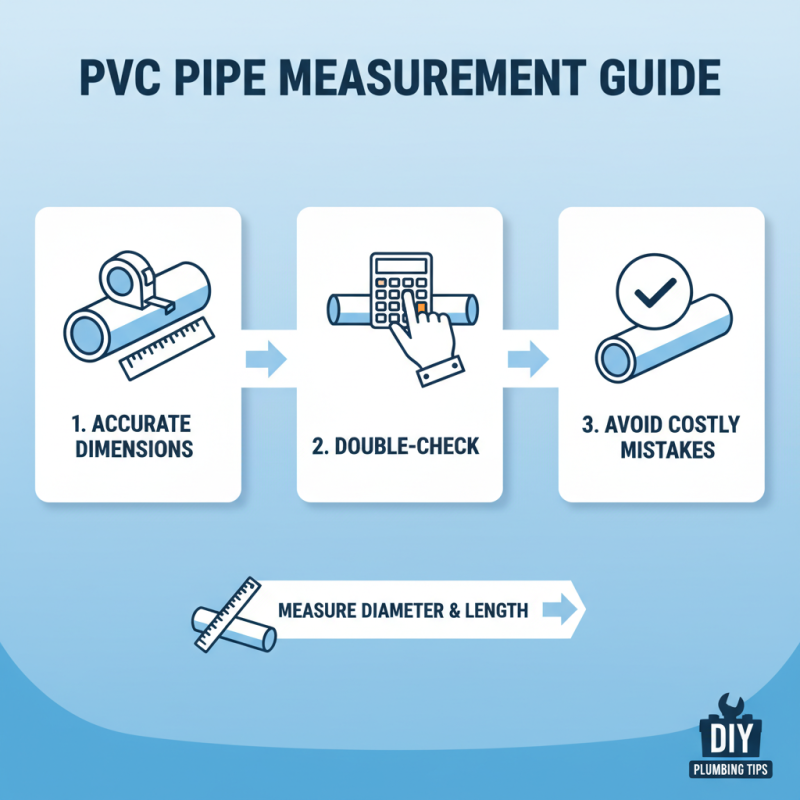
Many overlook the importance of precise measurements. A small mistake can cause significant delays. For instance, residential plumbing differs from industrial applications. You must know the specific needs of your project. The right PVC pipe sizes will ensure a smoother workflow and better results.
In addition, compatibility with fittings and connections is vital. Mismatched sizes create complications. You might need extra parts or tools, driving up costs. This is where careful planning pays off. By understanding PVC pipe sizes, you enhance project success.
Understanding PVC Pipe Sizes and Their Functionality
Understanding PVC pipe sizes is crucial for any successful project. The diameter of a PVC pipe affects flow rates and pressure levels. Choosing the wrong size can lead to leaks or blockages. Bigger doesn’t always mean better; it might waste resources. Conversely, too small pipes can struggle to handle the required flow.
Different projects demand different sizes. For example, irrigation systems need larger pipes to carry more water. But in plumbing, smaller pipes can suffice for household uses. It’s an art of balance, requiring careful thought. One must consider the project’s scale, purpose, and future needs.
Many people underestimate the importance of proper sizing. They often think flexibility in size won’t matter. But choosing the wrong dimension can lead to costly fixes later. Reflecting on materials and their specifications helps in making the right choices. It’s not just about installation; it’s about ensuring functionality for years to come.
Key Factors Influencing PVC Pipe Size Selection
Selecting the right PVC pipe size is crucial. It impacts flow rates, pressure drop, and installation costs. According to industry studies, improper sizing can lead to significant inefficiencies. For example, a report from the National Association of Plumbing and Heating Contractors shows that a 1-inch pipe can result in a 40% flow reduction compared to a 2-inch pipe in the same system.
Several factors determine PVC pipe sizes. Project requirements play a major role. Consider the flow rate needed for your specific application. The American Society of Civil Engineers notes that many installations underestimate demands. This leads to overflows or insufficient supply. A common oversight is neglecting pressure ratings. Shortcomings here can cause leaks or bursts.
Moreover, the environment influences pipe size choices. For underground projects, soil conditions may affect durability. Data from the Construction Industry Institute reveals that poorly chosen sizes can lead to rework, costing up to 25% of project budgets. It's essential to factor in local regulations and potential future expansions. Ignoring these aspects can result in costly mistakes.
Importance of PVC Pipe Sizes in Projects
Common Applications of Various PVC Pipe Sizes
When working on projects, choosing the right PVC pipe size is crucial. Different sizes cater to varied applications. For instance, smaller pipes, like 1 to 2 inches in diameter, often serve for residential plumbing. They work well for faucet connections and sink drainage. Their flexibility and ease of installation make them a popular choice.
On the other hand, larger pipes, like those over 4 inches, are typically used in commercial settings. These pipes can handle heavy traffic and robust liquid flows. Think about wastewater management systems or large irrigation setups. However, one must consider pressure ratings and flow capacities. A failure in selecting an appropriate size can lead to leaks and costly repairs.
It’s also essential to note that some projects may require unusual sizes. Unique applications can create challenges when sourcing pipes. Custom fittings often come with a higher price tag. Understanding the project requirements and potential obstacles can save time and frustration. Remember, taking a moment to reflect on your specific needs can lead to better results.
Why Are PVC Pipe Sizes Important for Your Projects? - Common Applications of Various PVC Pipe Sizes
| PVC Pipe Size (inches) |
Nominal Diameter (inches) |
Common Applications |
Pressure Rating (psi) |
| 1/2 |
0.622 |
Residential water supply, irrigation |
160 |
| 3/4 |
0.824 |
Outdoor plumbing, sprinkler systems |
160 |
| 1 |
1.050 |
Piping for drains, sewer systems |
140 |
| 2 |
2.067 |
Main sewer, irrigation systems |
120 |
| 3 |
3.500 |
Heavy drainage, commercial plumbing |
100 |
Impact of Incorrect Pipe Sizing on Project Outcomes
Correct sizing of PVC pipes is crucial for any project. When pipes are too small, they can restrict water flow. This can lead to pressure buildup, resulting in leaks or bursts. If the pipes are oversized, the system can become inefficient. Water may stagnate, increasing the risk of contamination. Both scenarios can negatively impact your project's success.
Imagine installing a new irrigation system. Using the wrong pipe size can waste resources and time. You might see plants suffering from inadequate water supply. Alternatively, oversized pipes could mean spending more on materials. This can strain your budget without giving you better results. Reflecting on these potential issues can illuminate the importance of precision in planning.
Additionally, incorrect sizing affects system longevity. Smaller pipes may wear out faster under pressure. Meanwhile, larger pipes may lead to sediment buildup, causing future blockages. Understanding these implications helps in making informed decisions. Take the time to properly assess your project requirements to avoid costly mistakes.