What is Flat Face Quick Couplers Benefits and Applications?
Flat Face Quick Couplers are essential tools in modern fluid transfer systems. Their design minimizes fluid loss during connection and disconnection, making them ideal for various applications. Industries such as construction, agriculture, and manufacturing benefit greatly from these couplers. They provide a reliable and efficient solution for connecting hydraulic lines and hoses.
These couplers offer several advantages over traditional models. They reduce spillage, enhancing environmental safety and operational efficiency. Moreover, their flat face design prevents contamination, ensuring cleaner connections. Users often report improved performance and lower operational costs when using Flat Face Quick Couplers. However, some may overlook maintenance requirements, which can lead to potential issues.
Adopting Flat Face Quick Couplers can transform fluid handling in many sectors. With their robust construction, they withstand harsh conditions, enhancing reliability. This makes them a preferred choice for professionals seeking to optimize their equipment. Despite their benefits, educating users on proper usage and maintenance is essential for achieving the best results.
Definition and Overview of Flat Face Quick Couplers
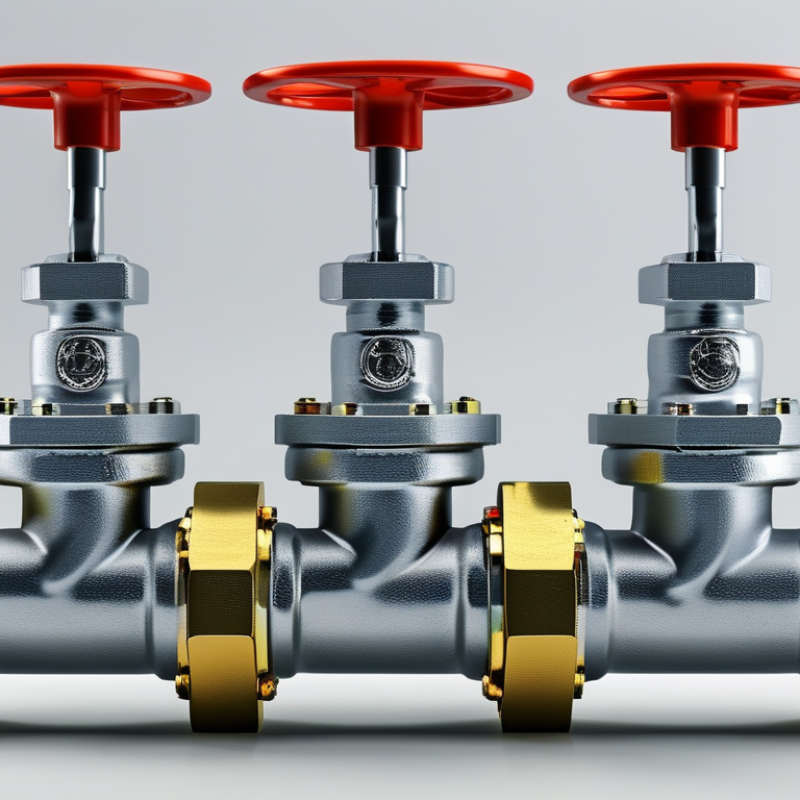
Flat face quick couplers are specialized connectors used to join hydraulic lines. They feature a flat, smooth face that minimizes fluid spillage and air intake during disconnection. This design is particularly important in hydraulic systems where contamination can lead to performance issues. The flat surface ensures a better seal, reducing the risk of leaks, and maintaining system efficiency.
These couplers are commonly applied in various industries, including construction, agriculture, and manufacturing. Heavy machinery often relies on flat face quick couplers for efficient operation. In these settings, operators can quickly attach and detach equipment without worrying about spills. This not only increases productivity but also enhances workplace safety.
While their advantages are clear, some challenges exist. Users may encounter compatibility issues with older systems. It’s crucial to ensure that equipment meets the necessary specifications for flat face couplers. Regular maintenance checks are essential. This helps to identify any wear or potential leak points before they become serious problems. Understanding these factors can lead to better decision-making and long-term efficiency.
Advantages of Using Flat Face Quick Couplers in Various Industries
Flat Face Quick Couplers offer several advantages in different industries. These couplers provide a reliable connection for hydraulic systems, reducing the risk of leaks. Their flat face design minimizes fluid loss during disconnection. This feature is particularly important in sectors like construction and agriculture, where downtime can be costly.
Moreover, these couplers are versatile. They are used in various applications, from heavy machinery to mobile equipment. Their ease of use makes them popular among operators. Workers can quickly connect and disconnect lines without any hassle. This efficiency can enhance productivity on job sites.
However, not all systems are compatible with flat face quick couplers. Users must ensure they choose the right type for their equipment. Some may find it challenging to adapt existing systems to these couplers. It requires careful planning and testing. Thus, while the benefits are numerous, potential challenges must be considered.
Common Applications for Flat Face Quick Couplers in Hydraulic Systems
Flat face quick couplers are increasingly popular in hydraulic systems. These couplers provide leak-free connections, minimizing fluid loss. Hydraulics World reported that around 20% of hydraulic system failures are due to leakage. This emphasizes the need for effective solutions like flat face couplers.
Common applications for these couplers include construction machinery, agricultural equipment, and industrial machines. In construction, they connect hydraulic tools quickly. The need for rapid connections is vital, with downtime costing companies significantly. A study by the Hydraulic Institute indicates that equipment downtime can reach up to 5% of annual productivity.
In agriculture, flat face quick couplers facilitate the connection of attachments to tractors. Effective coupling reduces the time needed for equipment changeovers. According to data from Agricultural Engineering, efficiency gains can reach 15% with the right couplers in place. Nonetheless, the durability and compatibility of couplers should always be assessed. Regular checks can prevent unexpected failures, allowing for more reliable operations in the field.
Comparison with Other Types of Couplers and Their Efficiency
Flat face quick couplers have gained traction in various industries due to their unique design and functionality. Unlike traditional couplers, they provide a larger sealing area. This feature reduces the chances of leaks and enhances overall efficiency. In high-pressure applications, maintaining tight seals is crucial. Flat face couplers excel in this aspect, making them the preferred choice for many professionals.
When comparing flat face couplers with other types, durability matters. They resist wear and tear better than standard options. However, some users note that they may require more frequent maintenance than expected. This can lead to increased labor costs over time. The ease of connecting and disconnecting is another factor to consider. Flat face designs allow for smoother operations, reducing downtime.
Despite these benefits, not every application may benefit from flat face couplers. For instance, in situations with less fluid sensitivity, other couplers could suffice. Additionally, initial costs can be higher, which may deter small businesses. Understanding the specific needs of an application is essential. Choosing the right coupler type ensures efficiency and cost-effectiveness in any setting.
What is Flat Face Quick Couplers Benefits and Applications? - Comparison with Other Types of Couplers and Their Efficiency
| Coupler Type | Benefits | Applications | Efficiency Rating |
| Flat Face Quick Couplers | Minimized leakage, easy connection and disconnection | Hydraulic systems, industrial machinery | 95% |
| Ball Lock Couplers | Strong connection, minimal risk of accidental disconnection | Pneumatic tools, automotive applications | 90% |
| Threaded Couplers | Secure connection, resistant to vibration | Heavy-duty applications, construction | 85% |
| Push-To-Connect Couplers | Ease of use, quick connectivity | Fluid transfer, medical equipment | 88% |
Maintenance Tips for Optimal Performance of Flat Face Quick Couplers
Flat face quick couplers offer various benefits and applications across industries, enhancing efficiency and safety. To ensure optimal performance, regular maintenance is essential. Careful attention to these couplers will prolong their lifespan and improve functionality.
One critical tip is to inspect the couplers regularly for wear and tear. Look for any signs of damage or contamination. Regular cleaning is also crucial. Dirt can hinder the connection. Use a clean cloth and appropriate cleaning solution to wipe the surfaces before and after use. This prevents nasty build-up.
Another important aspect is checking the seals. These are vital for preventing leaks. Examine them for cracks or deformation. If any issues arise, replace the seals promptly. Staying alert to small changes can save both time and money in the long run. Regular maintenance may feel tedious, yet it is essential for reliable operation. Keeping a maintenance log could be beneficial. This helps track when inspections and replacements are due.
Benefits and Applications of Flat Face Quick Couplers

