What is CPVC Pipe and How is it Used in Plumbing?
In the plumbing industry, understanding materials is essential. CPVC pipe has gained popularity for its durability and resistance to corrosion. Renowned expert and plumbing specialist, Dr. Jane Carter, states, “CPVC pipes are ideal for hot and cold water systems.” This statement highlights the versatility and importance of CPVC pipes in modern plumbing.
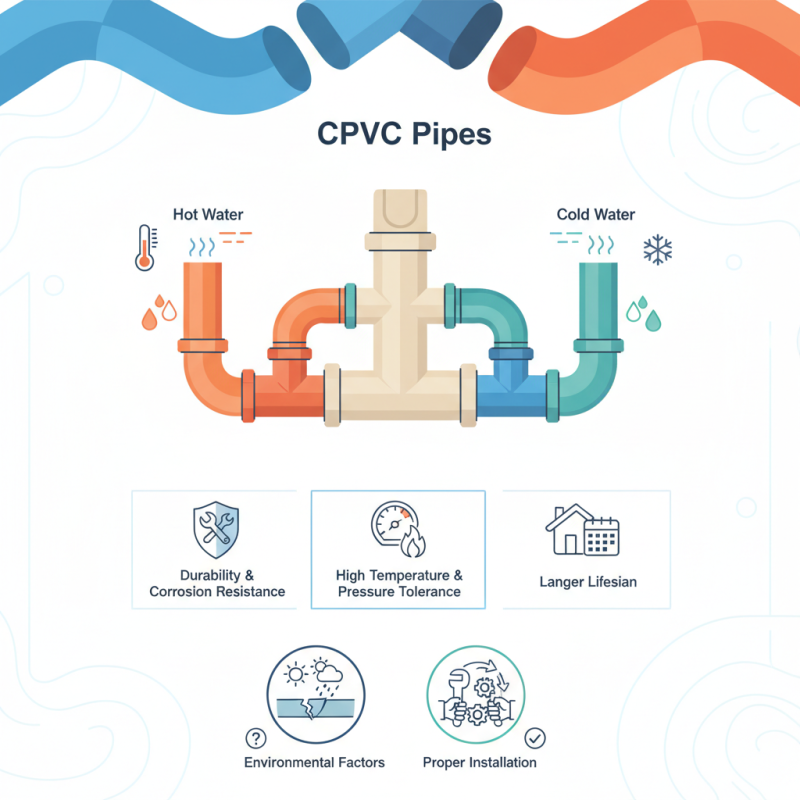
CPVC pipe combines strength with flexibility. It can handle high temperatures and pressures, making it suitable for various applications. Many homeowners appreciate its non-corrosive nature, which extends the lifespan of plumbing systems. However, there are also concerns about environmental factors affecting CPVC’s integrity over time.
Professionals sometimes overlook the installation process. Proper techniques are critical for maximizing CPVC pipe performance. Missteps can lead to leaks or system failures. As we explore the uses and benefits of CPVC pipe, it's crucial to address these potential pitfalls and consider improvements in installation and maintenance practices.
What is CPVC Pipe: Definition and Composition Overview
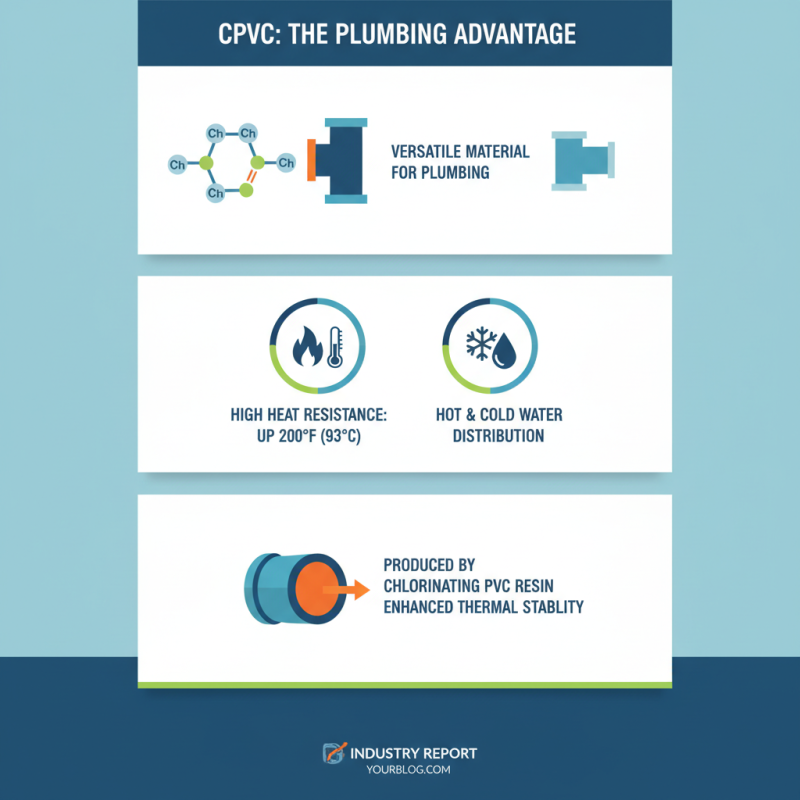
CPVC, or chlorinated polyvinyl chloride, is a versatile material widely used in plumbing systems. Its unique properties stem from its chemical makeup. CPVC is produced by chlorinating PVC resin, which enhances its thermal stability and allows for higher temperature applications. This makes it suitable for hot and cold water distribution. A recent industry report highlights that CPVC can withstand temperatures up to 200 degrees Fahrenheit.
The composition of CPVC contributes to its durability. It resists corrosion and is unaffected by various chemicals, including acids and alkalis. Due to these features, CPVC pipes can last longer than traditional materials. However, industry studies also reveal some challenges. For instance, CPVC’s brittleness can be an issue in colder climates. Factors like temperature fluctuations can lead to cracking. Installation practices also matter. Improper handling may weaken joints, resulting in leaks. Thus, while CPVC offers many benefits, careful application is crucial.
In some regions, CPVC has become the go-to for residential piping. The demand is escalating due to its reliability and ease of installation. Yet, some professionals still prefer alternatives. Concerns about long-term performance and environmental impact linger in discussions. Despite these debates, CPVC remains a strong contender in modern plumbing infrastructure. Users must weigh the pros and cons to make informed choices.
Key Advantages of Using CPVC Pipe in Plumbing Applications
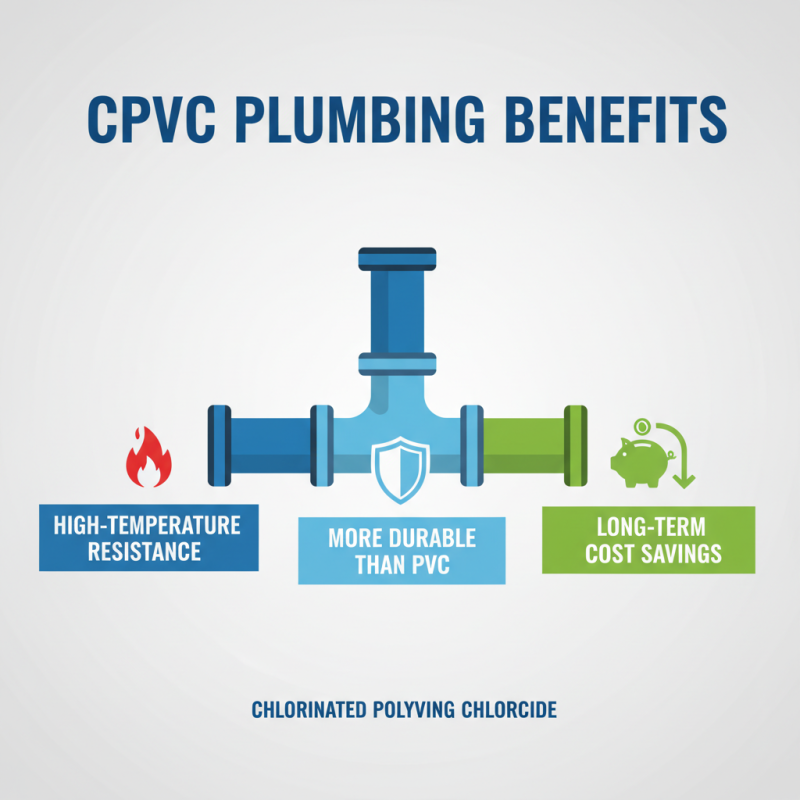
CPVC stands for Chlorinated Polyvinyl Chloride. It's a popular choice for plumbing systems. One of its key advantages is its high-temperature resistance. CPVC pipes can handle hot water, making them ideal for various applications. They are more durable compared to traditional PVC. This durability means fewer replacements, which can save money in the long run.
Another notable benefit is their resistance to corrosion. Unlike metal pipes, CPVC does not rust. This property helps maintain water quality over time. Additionally, CPVC is lightweight, making it easier to install. Plumbers often appreciate the user-friendly nature of these pipes.
However, it's important to consider installation procedures. Improper installation can lead to leaks and other issues. Some people may overlook local plumbing codes when using CPVC. This could result in future complications. Ensuring proper training and awareness of regulations is crucial for successful plumbing projects.
Comparison of CPVC Pipe with Other Common Plumbing Materials
CPVC pipe is a popular choice for plumbing applications, but how does it stack up against other materials? When compared to traditional copper pipes, CPVC offers several advantages.
For instance, CPVC is lightweight and easier to install. It is also resistant to corrosion and scaling, making it a durable option. According to a 2022 plumbing materials report, CPVC has a lifespan of up to 50 years in residential settings.
In contrast, PVC pipes are often seen as a more affordable alternative. However, they lack the ability to withstand high temperatures. CPVC can handle hot water systems, unlike PVC, which is strictly for cold applications. This versatility makes CPVC a suitable choice for various plumbing needs.
A recent survey found that over 60% of plumbing professionals preferred CPVC for its thermal resistance and reliability.
Despite its benefits, there are some drawbacks. CPVC can be more expensive upfront compared to PVC, which may deter budget-conscious homeowners. Additionally, some installation methods can be tricky, requiring specific adhesives. Professionals recommend thorough training for installers. Ultimately, the choice between CPVC and other materials should consider both immediate costs and long-term performance.
Typical Applications and Installations of CPVC Pipe in Residential Plumbing
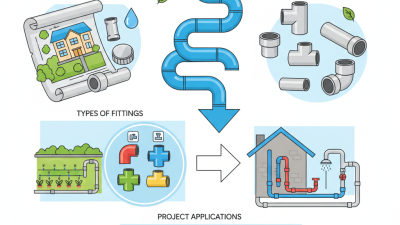
CPVC pipe, or chlorinated polyvinyl chloride pipe, serves various roles in residential plumbing. This type of pipe is commonly utilized for hot and cold water distribution. It operates effectively in high-temperature applications, making it suitable for hot water supply lines. Notably, CPVC can withstand temperatures up to 200°F, a critical factor for many plumbing installations.
In homes, CPVC pipes find their way into multiple areas, including supply lines and drain systems. Research indicates that over 50% of new residential construction employs CPVC, reflecting its popularity. Additionally, its resistance to corrosion and scaling makes it a reliable choice for homeowners. However, improper installation can lead to issues. The joints may weaken if not properly glued or if inappropriate fittings are used. Moreover, when exposed to UV light, CPVC pipes can deteriorate, underlining the need for careful application.
Homeowners should consider these factors when planning plumbing projects. Ensuring adequate insulation and protection from sunlight is vital. Although CPVC pipes excel in many circumstances, recognizing limitations is essential. Careful evaluation can prevent future complications, safeguarding both the plumbing system and the home’s overall integrity.
Typical Applications of CPVC Pipe in Residential Plumbing
Industry Standards and Ratings for CPVC Pipe Performance and Safety
When considering CPVC pipe for plumbing, it’s crucial to understand its industry standards and ratings. CPVC stands for chlorinated polyvinyl chloride. This material is known for its ability to handle hot water as well as its resistance to corrosion. Various organizations provide testing for CPVC pipes. These tests define their performance, longevity, and safety in various applications.
For safety ratings, check the ASTM D2846 and ASTM F441 standards. These indicate that the pipes are suitable for hot and cold water distribution. However, not all CPVC pipes are created equal. It's important to ensure the pipes you choose meet the necessary standards for your specific plumbing needs.
Tip: Always purchase CPVC pipes from reputable suppliers. This can prevent potential issues down the line. Ensure your pipes are properly labeled with their specifications.
Understanding the pressure rating is also vital. CPVC pipes often come with pressure ratings that indicate the maximum pressure they can handle. Remember, using a pipe that isn’t rated correctly can lead to leaks or bursts.
Tip: Regularly inspect your plumbing systems. Look for any signs of wear or leakage, and act quickly. Early action can save costly repairs.