How to Choose the Right Plumbing Fittings for Your Project
Choosing plumbing fittings is less about grabbing a matching connector and more about understanding the whole system. Pipe material, diameter, water pressure, temperature, and installation location all matter. A fitting that looks right on a workbench may still leak when exposed to hot water or vibration. Small details count.
Richard Trethewey, a plumbing and heating expert known for practical home-system guidance, is a useful reference point for readers. To avoid putting unverified words in his mouth, the following is an editorial takeaway, not a direct quotation: “Match the fitting to the pipe, the operating conditions, and the job—not just the thread.” That principle guides this outline. It also leaves room for a reality of repair work: older pipes, cramped cabinets, and past modifications can complicate a seemingly simple choice.
This guide will explain common fitting types, materials, connection styles, and key compatibility checks. It will also cover where manufacturer specifications and local plumbing requirements should inform a decision. A quick visual match is not enough. Measure carefully, inspect existing connections, and confirm pressure and temperature ratings before installation. When the system remains unclear, pause and seek qualified advice. A little caution helps prevent drips behind a wall, wasted parts, and avoidable rework.
Identify the Plumbing System’s Requirements
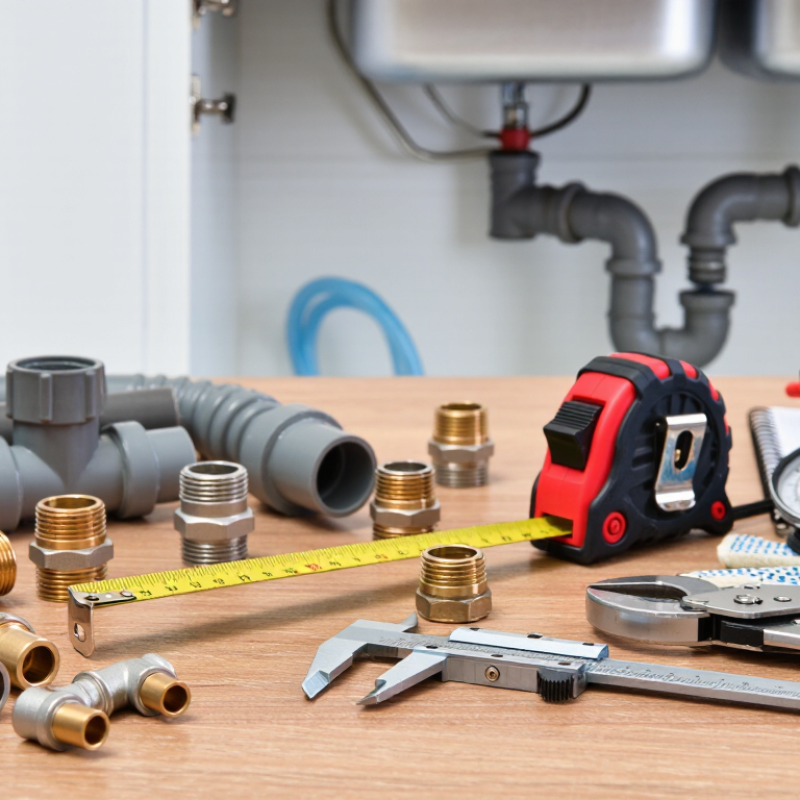
Before selecting a fitting, identify what the plumbing system must handle. Note the pipe material, inside diameter, operating pressure, and water temperature. A fitting that matches the nominal pipe size may still have the wrong connection type. Check whether the joint needs to be threaded, soldered, pressed, or joined with a compression nut. Small details matter. Measure the pipe and inspect its markings; older installations may use materials that are difficult to identify at a glance.
Consider where the fitting will sit and what it needs to do. A tight space behind a sink may call for a compact elbow, while an accessible straight run may allow easier future service. For hot-water lines, verify the fitting’s temperature rating. For mixed materials, check compatibility and use an approved transition method to reduce corrosion risks. Do not guess. If pressure, material, or connection details are uncertain, confirm them against the pipe specifications or ask a qualified plumber before buying. It is easy to focus on shape and overlook access for repairs; I would check that clearance twice, especially inside a cabinet.
Compare Fitting Materials and Pipe Compatibility
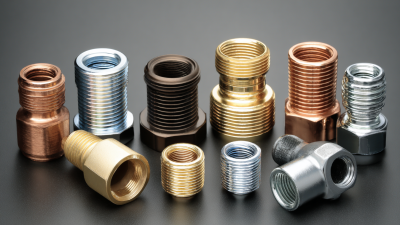
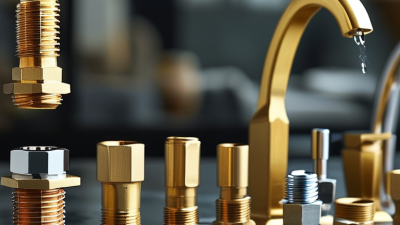
Choosing plumbing fittings starts with the pipe, not the shelf. Copper, PEX, CPVC, and galvanized steel each require compatible connection methods. Brass fittings are durable and widely used, but check their intended application and corrosion suitability. Plastic fittings are lightweight and resist many forms of corrosion, yet heat limits and installation requirements vary. A fitting that looks right can still leak.
Tips: Match the fitting material and connection style to the pipe. Check diameter, pressure rating, and water temperature. Dry-fit parts when appropriate, and never force threads.
Before buying, read the pipe markings and measure carefully; nominal sizes can be confusing. A PEX crimp fitting, for example, needs the correct ring and tool. Threaded metal connections need matching thread types and suitable sealing. Don’t assume two materials are compatible just because they physically join. Some transitions require a specified adapter to reduce corrosion or stress. Follow installation instructions and inspect joints under operating pressure.
Small detail. Easy to miss.
If the pipe material is uncertain, pause and verify before cutting. Guessing can turn a quick repair into a damp cabinet and another trip to the hardware store.
Choose Fitting Types and Connection Methods
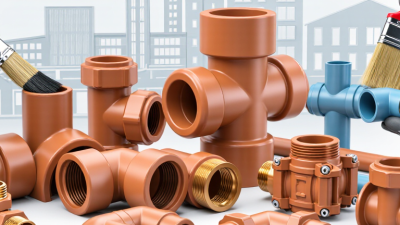
Choose the fitting by what the pipe needs to do. An elbow changes direction, a tee creates a branch, and a coupling joins two pipe ends. A reducer connects different diameters. Check the pipe material, working pressure, and water temperature before selecting a fitting; similar-looking parts may not be compatible. Measure carefully, too. Nominal pipe size does not always match the outside diameter you can measure with a tape. Small details matter. Convenience can sway the choice too quickly, so pause and check the fitting’s specifications.
Then match the connection method to the pipe and fitting. Threaded joints suit compatible threaded parts; compression fittings use a nut and ferrule to seal around the pipe. Copper may use soldered connections, while plastic systems require compatible fittings and joining methods. Follow the manufacturer’s instructions, especially for insertion depth and tightening. A pipe end should be clean and square, not burred or forced into place. That can leak. After assembly, restore water slowly and inspect each joint with a dry tissue. A tiny bead of moisture is easier to spot before the cabinet is full of supplies. Check applicable plumbing requirements before closing a wall.
Verify Size, Pressure Ratings, and Local Codes
Before buying plumbing fittings, verify the pipe’s actual outside diameter and the fitting’s connection type. Nominal size can be confusing: a half-inch pipe does not always measure half an inch across. Measure the pipe, check its material, and confirm whether the connection is threaded, soldered, press-fit, or intended for another joining method. A mismatch may look close on the workbench but still leak under use. Small details matter.
Check the fitting’s pressure rating against the system’s expected operating pressure and temperature. A rating suitable for a cold-water line may not suit a hot-water application. Read the product specifications, and consider pressure changes caused by pumps or appliances. Then check local plumbing codes, which may set requirements for approved materials, installation methods, or where certain fittings can be used. Rules vary by location, and online advice may not reflect the latest local requirements. It is tempting to assume a familiar fitting is acceptable everywhere; that assumption deserves a second look. When requirements are unclear, ask the local building department or a qualified plumber before closing a wall or pouring a slab.
How to Choose the Right Plumbing Fittings for Your Project
Verify size, pressure ratings, and local codes before selecting fittings.
Size check: Copper tube nominal size is not its measured outside diameter. The values shown are standard outside diameters for common nominal sizes of copper water tube (ASTM B88). Pressure ratings depend on tube type, wall thickness, fitting, and temperature; check the product’s specifications and confirm local code requirements.
Plan Installation, Inspection, and Maintenance
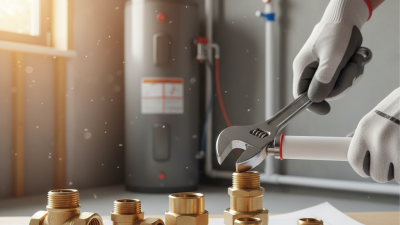
Plan the fitting around the pipe material, diameter, water pressure, and expected temperature. A fitting that fits physically may still be unsuitable for the system. Check that its connection type matches the pipe and joining method. Leave enough room for tools and future repairs, especially behind sinks or near water heaters. I once overlooked access space on a small repair; the connection worked, but inspection became awkward.
Before installation, compare each fitting with the project plan and look for cracks, damaged threads, or rough edges. Cut pipe ends square, remove burrs, and keep sealing surfaces clean. Follow the fitting instructions and use the correct joining method; threaded, compression, and soldered connections are not interchangeable. Support pipes so their weight does not strain joints. After assembly, restore water gradually and inspect every connection with a dry tissue. A slow leak can be easy to miss.
Tips: Mark joints before assembly, keep a flashlight nearby, and check for moisture again after several hours. Note the fitting type and installation date for future maintenance. If a joint keeps leaking, stop and reassess alignment rather than tightening it endlessly. That is not always the fix.