How to Choose the Right Plastic Water Pipe for Your Needs?
Choosing the right plastic water pipe can be daunting. Each type has its own strengths and weaknesses. Industry expert Dr. Emily Carter emphasizes, "Understanding your specific needs is key to selecting the best plastic water pipe." This insight highlights the importance of informed choices.
Plastic water pipes vary widely in material, durability, and application. Options like PVC, CPVC, and PEX provide different benefits. For instance, PVC is cost-effective for drainage, while PEX offers flexibility for indoor plumbing. Knowing these differences ensures you pick the right pipe for your project.
Reflecting on your specific requirements is crucial. Consider factors like water temperature and chemical exposure. What works for one project might not suffice for another. This process might seem overwhelming, yet it's essential for long-lasting performance. Take the time to assess your needs, and you will find the most suitable plastic water pipe.

Understanding Different Types of Plastic Water Pipes and Their Applications
Choosing the right plastic water pipe can be daunting.
Various types have diverse properties and applications. Understanding these options is essential for effective decision-making.
PVC (Polyvinyl Chloride) pipes are widely used in residential plumbing. They resist corrosion and are lightweight.
Suitable for cold water systems, they are easy to install. However, they may not withstand high temperatures.
In contrast, CPVC (Chlorinated Polyvinyl Chloride) can handle hot water.
Its higher temperature tolerance makes it ideal for hot water systems. Yet, CPVC can be brittle, requiring careful handling during installation.
Another option is PEX (Cross-linked Polyethylene) pipe. PEX is flexible and can be snaked through walls, reducing the number of fittings required.
It’s resistant to scale and chlorine, enhancing longevity. Still, some users report issues with UV light degradation.
Lastly, HDPE (High-Density Polyethylene) pipes are known for their strength and durability.
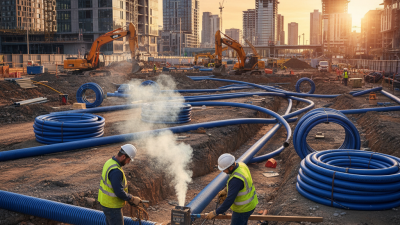
Commonly used in irrigation and industrial applications, they resist impact and are suitable for buried installations.
Yet, they can be expensive and may require specialized fittings.
Choosing the right type involves weighing specific needs against these characteristics.
Key Factors to Consider When Selecting Plastic Water Pipes for Your Project
When selecting plastic water pipes, several key factors must be considered to meet your project's needs. First, the material type is crucial. Common options include PVC, CPVC, and PEX. Each has unique properties that suit different applications. For instance, PVC has high tensile strength, making it ideal for pressurized systems. According to a 2022 report by the Plastics Industry Association, PVC pipes can last over 100 years in appropriate conditions.
The diameter of the pipes impacts water flow rates. Larger diameters can carry more water, which is vital for commercial applications. A 2021 study by the American Water Works Association found that optimizing pipe diameter can achieve efficiency improvements of up to 40%. This aspect is vital for any water distribution system. Balancing size and pressure drop is a common challenge.
Another factor is the pipe's resistance to environmental conditions. UV exposure, temperature fluctuations, and chemical interactions can affect durability. A survey conducted by the International Association of Plastics in Pipe found that 60% of users reported issues related to UV degradation. This underlines the importance of selecting UV-resistant materials for outdoor installations. The specific needs of your project should guide your decision-making process.
Evaluating Durability and Pressure Ratings of Various Plastic Water Pipes
When choosing the right plastic water pipe, durability and pressure ratings are crucial factors. Various plastic pipes, such as PVC and CPVC, have different attributes. PVC is known for its strength and longevity. However, it can become brittle over time when exposed to UV light. CPVC, on the other hand, can withstand higher temperatures but may not be as flexible. Analyzing these properties helps ensure optimal performance.
Consider the specific application for the water pipe. If pressure is a concern, check the pressure rating specified by the manufacturer. Each pipe type can handle different pressure levels. Choosing a pipe with insufficient pressure rating could result in leaks or failures. Always refer to industry standards while making a selection.
Tips: Test pipe samples under your expected conditions. This gives insight into the material’s behavior. Also, consult with professionals who specialize in plumbing. Their expertise can guide you to make informed choices. Remember that real-life experience may highlight flaws that textbook knowledge overlooks. Always remain open to learning through trials and feedback.
Comparative Analysis of Cost and Lifespan of Common Plastic Pipe Materials
When selecting plastic water pipes, understanding cost and lifespan is crucial. Materials like PVC, CPVC, and PEX each offer distinct benefits. PVC pipes are often cheaper and lightweight. However, they can degrade under UV exposure. On the other hand, PEX piping has a higher upfront cost but enjoys a long lifespan, often exceeding 50 years.
Lifespan varies significantly between these materials. PVC lasts about 20-40 years, while CPVC outlasts it at approximately 40-60 years. PEX’s flexibility and resistance to scale can make it more durable and efficient over time. While the initial investment in PEX may seem daunting, consider long-term savings in maintenance and replacements. Balancing upfront costs with longevity is essential.
Ultimately, your choice should reflect specific needs and environmental conditions. Local climate can affect pipe longevity. For example, extreme temperatures may challenge certain materials. Incomplete information could lead to wrong choices. Research thoroughly and consider expert opinions. This will ensure you choose the right pipes for your project, minimizing unexpected costs and maintenance issues.
Best Practices for Installing and Maintaining Plastic Water Pipes Efficiently
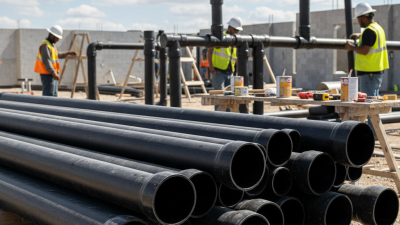
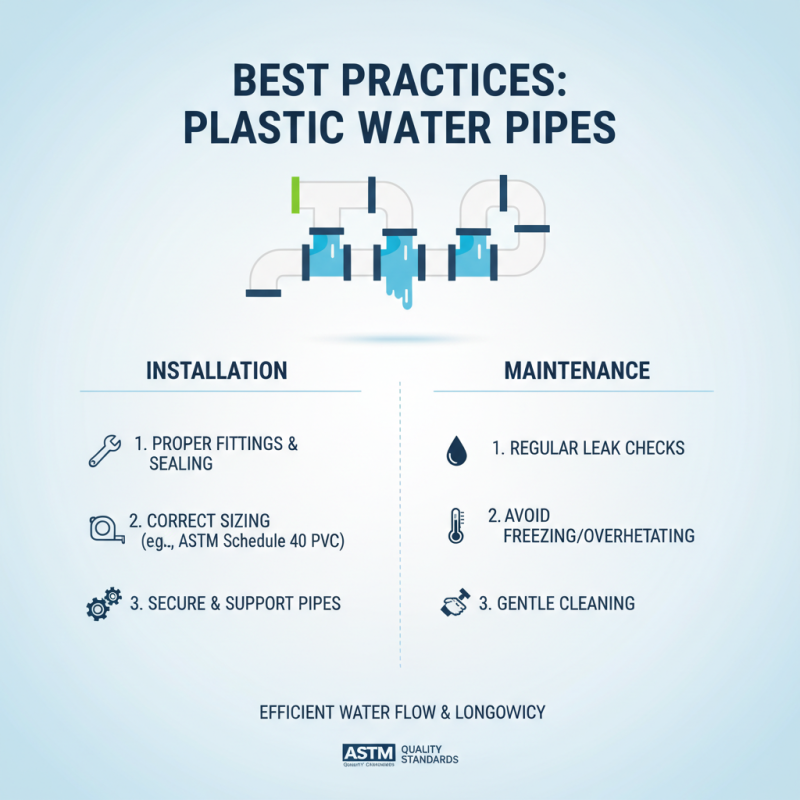
When installing plastic water pipes, proper practices are crucial for long-term performance. Choosing the right pipe material can directly impact water quality and flow rates. The American Society for Testing and Materials (ASTM) suggests that Schedule 40 PVC pipes are ideal for most residential systems. They offer a robust solution, combining durability with ease of installation.
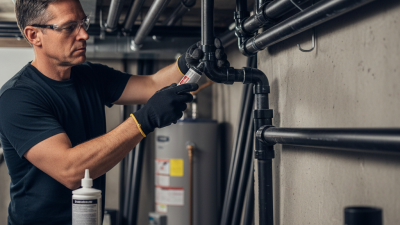
For installation, maintain clean and dry surfaces to ensure effective bonding. This minimizes the risk of leaks. According to the Plastics Pipe Institute, improperly fitted joints can lead to 15% performance loss. It’s essential to pay attention to temperature and pressure ratings. High temperatures can weaken pipe integrity, while extreme pressure may cause failures in joints.
Regular maintenance is necessary for longevity. Inspecting pipes for visible wear and leaks should be routine. The National Association of Plumbing Contractors recommends annual inspections as a best practice. Many homeowners overlook this. Even minor issues can escalate, causing costly damage. Proper maintenance can mitigate these risks and enhance the system's efficiency.