How to Choose the Best Soft TPE Material for Your Needs?
Choosing the right Soft Tpe Material can significantly impact your product's success. “The right choice of materials defines the quality and performance of the final product,” states Dr. Emily Hart, a leading expert in polymers. According to the latest industry report by Smith & Associates, the demand for Soft TPE Material has surged by 45% in recent years due to its versatility and enhanced properties.
Soft TPE Material is crucial in various applications, from consumer goods to medical devices. It offers excellent flexibility, durability, and a pleasant tactile feel, making it a preferred choice. However, not all Soft TPE Materials are created equal. It is essential to evaluate specific properties like hardness, elasticity, and resistance to chemicals. This complexity often leads decision-makers to overlook critical factors, risking suboptimal product performance.
As manufacturers face mounting pressure for innovation, understanding the nuances of Soft TPE Material is imperative. Selecting the wrong formulation can lead to costly production setbacks. Hence, conducting thorough research and consulting with materials experts is vital to make the best choice for your needs. An informed approach can help mitigate risks and enhance product quality in a competitive market.
Understanding Soft TPE Material: Properties and Applications
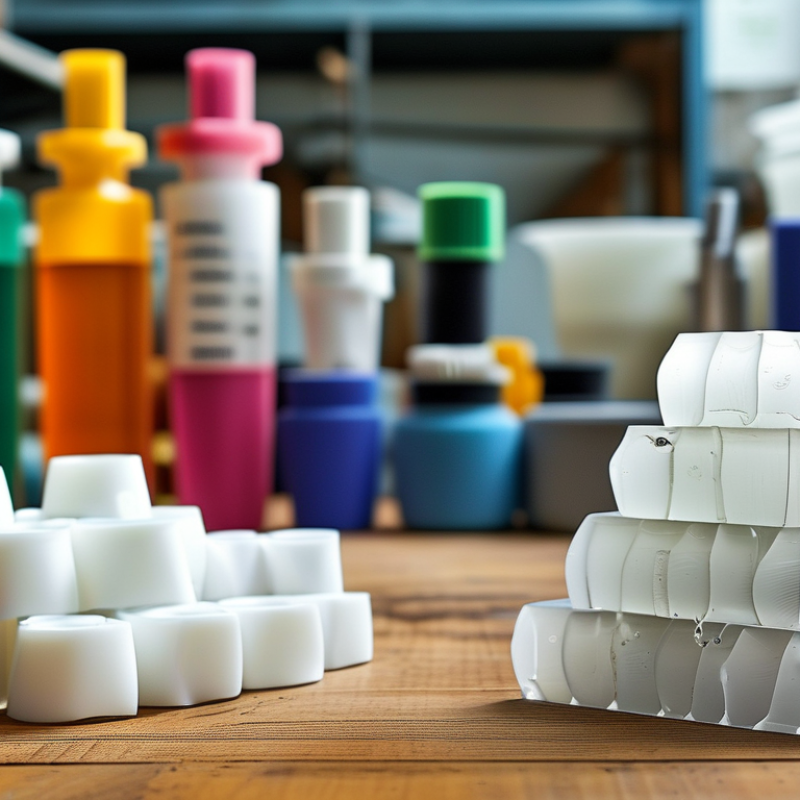
Soft TPE (Thermoplastic Elastomer) is a versatile material that offers a unique blend of rubber-like elasticity and plastic durability. Understanding its properties can help you make informed decisions for various applications. Soft TPE is often favored for its softness and flexibility, making it suitable for products like toys, medical devices, and consumer goods. Its ability to withstand various temperatures adds to its appeal in different environments.
When evaluating soft TPE material, consider its hardness. Shore A durometer measurements define softness. Lower numbers indicate softer materials. This is crucial for applications where comfort matters, like in handles or grips. Additionally, check the material's resistance to wear and tear. Soft TPE should maintain its integrity over time, even with frequent use.
Tips: Always request samples before finalizing your choice. This provides a real feel for the material's softness and flexibility. Also, consider the environmental impact. Look for TPEs that are recyclable or biodegradable. Lastly, think about your project’s specific needs. Not all soft TPEs are alike, and reflecting on this can steer you toward a better fit.
How to Choose the Best Soft TPE Material for Your Needs?
| Property | Description | Applications | Availability |
| Flexibility | High flexibility allows for easy bending and shaping. | Toys, gaskets, and seals. | Widely available in various grades. |
| Durability | Resistant to wear and tear over time. | Consumer products, automotive parts. | Available in soft to hard variants. |
| Thermal Stability | Maintains performance under varied temperatures. | Electrical insulation, HVAC seals. | Options available for high-heat applications. |
| Chemical Resistance | Has good resistance to a range of chemicals. | Laboratory equipment, medical devices. | Specialized grades are available. |
| Aesthetic Qualities | Can be formulated in various colors and textures. | Fashion accessories, consumer electronics. | Custom formulations are available. |
Identifying Your Specific Needs for Soft TPE Material
When selecting the best soft TPE material, understanding your specific needs is crucial. The versatility of TPE allows it to cater to various applications, from medical devices to consumer goods. According to the latest research report from Smithers Pira, the demand for soft TPE materials is expected to grow at a CAGR of 5.2% by 2026. This indicates that more industries are recognizing the advantages of TPE over traditional materials.
To make an informed decision, consider softness, flexibility, and durability. Some applications require extreme flexibility, while others need a firmer texture. For example, a study from the Journal of Polymer Research found that softer TPE can enhance comfort in medical devices. However, softer materials might lack certain mechanical properties. Weighing these features against your requirements is essential.
Moreover, pay attention to the environmental impact. Some TPE options are recyclable, which aligns with growing sustainability trends. According to a European Commission report, 60% of consumers prefer products made from sustainable materials. Being aware of these factors can differentiate your choice. Assessing the properties of soft TPE materials thoughtfully will lead to better outcomes.
Comparing Different Grades and Types of Soft TPE
When considering soft TPE materials, understanding the different grades and types is essential. Soft TPE comes in several formulations, each tailored for distinct applications. Some materials offer great elasticity, while others focus on superior durability. Knowing your application helps narrow down the choices. For example, high elongation types are ideal for products that require stretching or bending.
Additionally, the hardness of soft TPE varies. Shore A hardness is a common measurement. Softer grades feel more rubber-like, while harder grades offer stability. Each type has its unique benefits. Selecting the wrong type may lead to product failures. It’s critical to assess the end-use and environmental conditions. Are you looking for a silicone-like feel or a firmer grip? Recognizing these details can significantly impact your satisfaction with the final product.
Testing is crucial when choosing TPE. Many materials look similar, but they perform differently under stress. Conducting physical tests helps understand their limitations. For instance, consider temperature resistance or exposure to chemicals in your decision process. This hands-on approach not only fosters knowledge but also highlights the importance of making informed choices. The ideal TPE material often comes down to trial and error. Don’t shy away from experimenting; it's part of the learning experience.
Evaluating Durability and Flexibility of Soft TPE Options
When evaluating soft TPE options, durability and flexibility are critical factors. A recent study by the Polymer Institute highlighted that TPE materials exhibit impressive resilience to wear and tear. They are often able to withstand repeated stress for thousands of cycles, making them suitable for various applications, from consumer goods to industrial components. However, it’s important to note that not all TPEs are created equal. Some have better performance metrics than others, and this can impact their lifespan.
Flexibility is another essential aspect. According to a report from the Material Science Journal, soft TPEs can maintain their flexibility at extreme temperatures. The ability to perform in temperature ranges from -30°C to 80°C is significant. Yet, certain formulations may lose their flexibility over time, leading to brittleness. Users must verify the specifications and consider environmental factors.
Choosing the right TPE involves trade-offs. A material that excels in flexibility may sacrifice some durability. Testing hypotheses through real-world applications can provide valuable insights. Though promising, the long-term performance of soft TPE products may require further investigation to fully understand their longevity and adaptability.
Making an Informed Choice: Suppliers and Cost Considerations
When selecting the best soft TPE material, it is essential to consider suppliers and cost. Emerging reports indicate that the global TPE market is projected to reach $8 billion by 2026, with a significant shift towards soft TPE in various industries. The choice of supplier can greatly influence cost and quality, so doing proper research is crucial.
Tip: Always request samples before making a bulk purchase. This ensures you can evaluate the softness, flexibility, and durability of the material. A reliable supplier should provide clear information about the composition and sourcing of their TPE.
Different suppliers offer varied pricing structures, often depending on factors like location and production volume. In some cases, the lowest price may compromise material quality. Industry experts suggest that opting for slightly higher-priced options can lead to better performance and longevity.
Tip: Engage in discussions with suppliers about their manufacturing processes. This transparency can reveal insights into the reliability of their TPE materials.
While cost is important, it shouldn't overshadow the need for high-quality material that meets your specific requirements. Balancing price and quality is an ongoing challenge, but critical for a successful selection.
Comparing Soft TPE Materials for Different Applications

