How to Choose the Best PVC Shuttering for Your Project?
Choosing the right Pvc Shuttering for your construction project can be daunting. With various options available, understanding the essentials is crucial. PVC shuttering is favored for its durability, lightweight nature, and resistance to moisture and chemicals. These features significantly enhance the efficiency of construction.
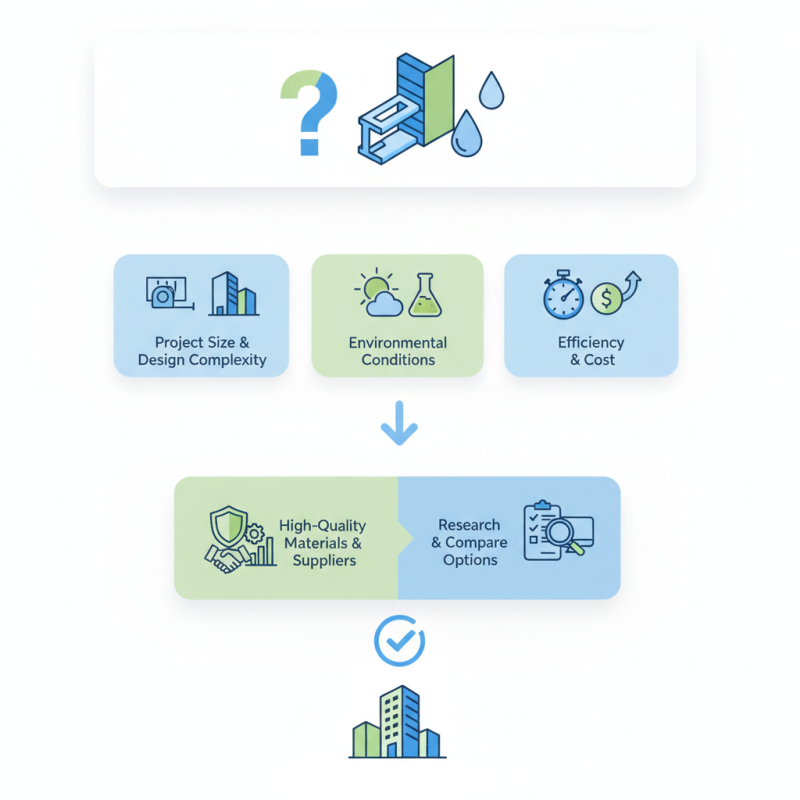
Different projects demand unique requirements. A thorough assessment of your specific needs is essential. Consider factors like project size, design complexity, and environmental conditions. Misjudging these can lead to significant delays and increased costs.
Expert advice highlights the importance of selecting high-quality PVC shuttering. Investing in reliable materials can save money in the long run. However, not all suppliers offer the same standards. Researching and comparing options can help find the best fit for your project demands.
Understanding PVC Shuttering: What You Need to Know
PVC shuttering is a widely used material in construction projects. Understanding its properties is crucial for making informed decisions. This type of formwork is lightweight, durable, and resistant to moisture. It provides a smooth surface, which can enhance the finish of concrete work. However, not all PVC shuttering products are created equal. Quality can vary significantly, and improper use can lead to issues during and after installation.
When selecting PVC shuttering, consider the project requirements. Assess the environmental conditions where the shuttering will be used. For example, extreme temperatures can affect its performance. Make sure to verify the thickness and strength of the panels. Thinner panels might save costs upfront but could compromise structural integrity. Additionally, think about the ease of handling and setup. Complicated systems can lead to delays and increase labor costs.
Some users have reported difficulties with certain PVC shuttering systems. These can include misalignment during pouring. Such issues require adjustments, which can be time-consuming. Investigating these challenges beforehand can save significant time and resources. Ultimately, thorough research and understanding of PVC shuttering will lead to better outcomes for your construction project.
Comparison of PVC Shuttering Types for Construction Projects
Key Factors to Consider When Selecting PVC Shuttering
When selecting PVC shuttering for your construction project, several key factors must be considered to ensure reliability and effectiveness. The durability of the material is crucial. Reports estimate that high-quality PVC can last up to 25 years, significantly reducing costs in the long run. It’s important to aim for products that can withstand environmental factors like temperature fluctuations and moisture.
Another essential aspect is the ease of handling and installation. Lightweight PVC options simplify the setup process, reducing labor costs and time on site. However, some lighter products might compromise sturdiness. This trade-off should be carefully evaluated based on project needs. Additionally, the surface finish of the shuttering impacts the quality of the concrete. A smoother finish results in less surface treatment, which can be beneficial for budget-conscious projects.
Lastly, cost is always a consideration but shouldn't be the sole factor. A more affordable option may lack in performance or durability. According to industry surveys, 72% of construction professionals prefer investing in higher-quality materials for better long-term outcomes. Balancing cost with quality and performance will lead to successful project completion. Different projects have unique requirements, and one size does not fit all.
How to Choose the Best PVC Shuttering for Your Project? - Key Factors to Consider When Selecting PVC Shuttering
| Factor | Description | Importance Level | Recommendation |
| Material Quality | Assess the durability and strength of the PVC. | High | Choose high-grade PVC for longer lifespan. |
| Weight | Consider ease of handling and transportation. | Medium | Opt for lightweight options for convenience. |
| Surface Finish | Affects concrete bonding and finishing. | High | Select smooth finishes for better results. |
| Cost | Overall budget considerations for the project. | High | Balance quality and cost for best value. |
| Reusability | How many times the shuttering can be used. | Medium | Choose options that offer good reusability. |
| Compatibility | How well the shuttering fits with other materials. | High | Ensure compatibility with existing systems. |
Types of PVC Shuttering Available on the Market
When selecting PVC shuttering, understanding the types available is crucial. There are standard and modular options. Standard PVC shuttering is typically used for concrete forms. It provides a solid, smooth surface that minimizes imperfections. This type is widely used in residential and commercial construction.
Modular PVC shuttering offers flexibility and ease of assembly. It can adapt to various construction shapes and sizes. This type often works well for complex designs. However, it may require more planning and time to set up. Consideration of your project’s scale and complexity is essential.
Some PVC shuttering options may not withstand extreme weather. Durability varies significantly. This variability can lead to unforeseen issues during large-scale projects. It is vital to align your choice with the specific demands of your project. A thoughtful approach ensures better outcomes.
Evaluating the Cost vs. Benefits of PVC Shuttering
When evaluating the cost versus benefits of PVC shuttering, it's essential to consider both initial investment and long-term advantages. PVC shuttering can often be more affordable upfront compared to traditional materials. However, the real savings come from its durability and reduced maintenance costs. They resist corrosion, moisture, and chemical exposure, leading to fewer replacements over time.
Another important factor is labor efficiency. PVC shuttering is lightweight and easy to install. This can significantly cut down on labor costs. The quick assembly and disassembly save valuable project time. Still, one should reflect on the potential for damage during handling. Although it is durable, mishandling can lead to cracks or breaks, resulting in extra expenses.
Despite the many benefits, not all projects may benefit equally from PVC shuttering. Some construction environments may call for more robust materials. Evaluating the surrounding conditions is crucial. Will PVC stand up to the project demands? Understanding your specific needs can guide the choice. Balancing these factors will lead to a more informed decision.
Best Practices for Using PVC Shuttering in Construction Projects
Using PVC shuttering effectively requires a solid understanding of best practices. Ensure that the surface of the PVC is clean before installation. Dust and debris can hinder adhesion and cause issues during pouring. Each panel should fit snugly against the next to prevent leaks. Gaps can lead to uneven surfaces or, worse, structural weaknesses.
Proper handling is essential. Overloading the panels can cause warping or damage. When transporting them, use precautions to avoid dents or scratches. Before reuse, inspect the panels for cracks or wear. It’s vital to replace any damaged pieces to maintain integrity in your project.
During the pouring process, monitor the temperature of the concrete. Extreme conditions can affect curing times and structural strength. Consider the local climate and make adjustments to your procedures. Any oversight in this area can lead to costly repairs down the line. Being aware of these details can transform a project’s outcome. Quality is in the details, so take the time to ensure each step is performed with care.