How to Choose the Best Bicycle Safety Lock for Your Bike?
Choosing the right Bicycle Safety Lock is crucial for protecting your bike. With a variety of options available, finding the best lock can be challenging. The increasing rates of bike theft make this decision even more important. A reliable lock can safeguard your bike from opportunistic thieves.
It's essential to consider the type of lock that fits your needs. U-locks, chain locks, and folding locks each have unique benefits. For instance, U-locks provide strong security but can be cumbersome. Chains offer flexibility, but they can be heavy. Understanding these differences will help you make an informed decision.
Additionally, think about your environment. High-crime areas require more robust locks. Even then, no lock can guarantee 100% security. It’s vital to reflect on your habits and routines. Invest time in researching and selecting a Bicycle Safety Lock to ensure your bike remains safe and secure.
Understanding the Different Types of Bicycle Locks Available
When it comes to bicycle safety locks, understanding the different types is crucial. U-locks offer strong security and are shaped like a "U." They're made from hardened steel, making them hard to cut. Many cyclists choose these for their durability. However, their size can make them heavy and less portable, which can be a drawback for daily commutes.
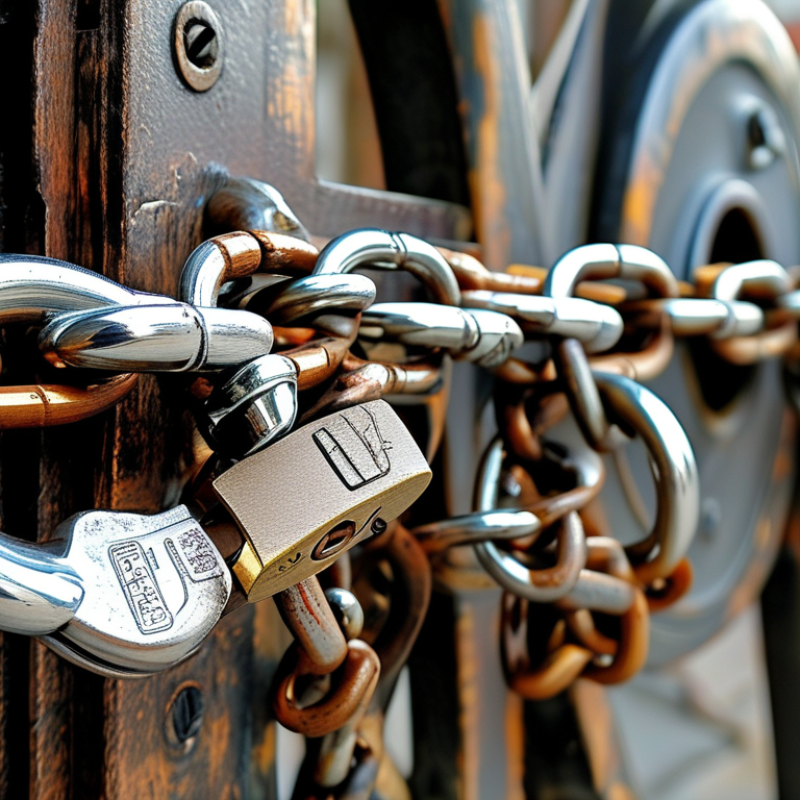
Chain locks are another option. They offer flexibility in locking your bike to various fixtures. While they can be quite secure, their effectiveness depends on the thickness of the chain. Many lighter chains can be cut easily, so it’s vital to choose a thicker, more robust type. These locks can also weigh more than U-locks, which is something to consider if you ride often.
Additionally, there are cable locks, which are lighter and easier to carry. They are great for quick stops. However, they often provide less security compared to U-locks and chain locks. Thieves can cut through them with relative ease. Consider your environment and how long you'll leave your bike unattended. A combination of locks might sometimes be the best strategy.
Factors to Consider When Choosing a Bicycle Lock
Choosing the right bicycle lock requires understanding several critical factors. Security ratings are vital. According to a report by the ART Foundation, 70% of bike thefts occur in urban areas. A high-security lock can deter most thieves. Look for locks graded by the Sold Secure and ART. These organizations provide extensive testing data.
Material matters, too. Steel locks offer better protection against cutting tools. U-locks usually outperform chain locks in durability. A study by the Bicycle Security Research Institute noted that U-locks resist most common break-in methods. The lock's thickness can also indicate its strength; thicker locks tend to withstand force better.
Convenience shouldn't be overlooked. A heavy lock might provide security, but it can be cumbersome to carry. Many cyclists choose smaller, lighter locks, compromising on security. Reporting shows that 30% of cyclists regret their lock choice after experiencing a theft. Evaluate how often you ride and the locations you frequent. These insights can guide your decision. Choose wisely; make security your priority.
How to Choose the Best Bicycle Safety Lock for Your Bike? - Factors to Consider When Choosing a Bicycle Lock
| Lock Type | Security Level | Weight | Length | Price Range |
| U-Lock | High | 2.5 lbs | 12 inches | $50 - $100 |
| Chain Lock | Moderate to High | 3.5 lbs | 3 to 6 feet | $30 - $80 |
| Folding Lock | Moderate | 2.2 lbs | 28 inches | $50 - $120 |
| Cable Lock | Low to Moderate | 1 lb | 4 to 6 feet | $15 - $40 |
| Smart Lock | Moderate | 2.5 lbs | 10 inches | $80 - $200 |
Evaluating the Security Levels of Bicycle Locks
When it comes to selecting a bicycle lock, understanding security levels is essential. Different types of locks offer varying degrees of protection against theft. U-locks typically provide high security, while chain locks may be more versatile but less secure. Consider your environment and the level of risk to your bike. Urban areas with high theft rates demand a stronger lock choice.
Evaluating security features is crucial. Some locks have special materials or key designs that enhance security. For example, hardened steel and anti-drill features make a lock harder to break. Look for certifications from security organizations. They often grade locks based on their resistance against tampering. Remember that even the best lock cannot guarantee absolute safety; regularly reassess your locking methods and locations.
Pay attention to practical aspects. A lock that’s too heavy might discourage consistent use. Conversely, an easier lock may compromise security. Aim for a balance between usability and protective features. Reflect on your bike's typical use and adjust your locking strategy accordingly. It’s essential to adapt as conditions change and remain vigilant against evolving theft methods.
Comparing Price and Value in Bicycle Lock Options
When selecting a bicycle lock, understanding the balance between price and value is crucial. High-priced locks may seem more secure due to advanced features. However, not all expensive options guarantee safety. Inexpensive locks might be less durable but can provide adequate protection in low-risk areas. Assess your environment before making a choice.
Consider the materials used in the lock. A robust design can deter theft. Locks made from hardened steel are generally more reliable. Yet, some lightweight options offer flexibility. They may be easier to transport but could compromise safety. Think about your when weighing these factors.
Some consumers overlook the importance of user reviews. Genuine feedback can help identify hidden flaws. It’s wise to know what others have experienced. You may find that a lock deemed "affordable" has hidden issues. Reflect on your priorities—whether it's weight, convenience, or security. Making an informed decision is more than just looking at the price tag. It involves understanding what you truly need for your bike’s safety.
Tips for Properly Securing Your Bike with a Lock
When selecting a bike lock, focus on the locking method. U-locks provide security thanks to their robust design. However, they're not always easy to use, especially in tight spaces. Chain locks tend to be heavier but offer flexibility in securing various parts of your bike. Always consider the environment you'll be locking in. A sturdy lock might not be enough if you’re in high-crime areas. Observe your surroundings and choose a lock that fits the local risk level.
Properly securing your bike is critical. Always lock your frame and at least one wheel. This can deter thieves from taking the entire bike. Additionally, avoid using just a cable lock; they are easy to cut. Even with a robust lock, ensure you secure your bike to a fixed object. Trees or thin poles may not be ideal. Sometimes, people think they can get by with minimal security. This mindset can lead to regrettable choices when a bike goes missing.
It’s wise to regularly inspect your lock. Over time, locks can wear down or malfunction. A lock that seems reliable today might fail tomorrow. You may also want to change your locking routine. Mixing up your locking locations can prevent thieves from noticing patterns. This detail adds another layer of security. Don’t take your bike safety lightly; it's all about being proactive and aware.