Top Tips for Choosing Perfect Dining Furniture for Your Home?
Choosing the right dining furniture is crucial for creating a welcoming atmosphere in your home. The dining area often serves as the heart of family gatherings and celebrations. Therefore, selecting the perfect pieces is essential.
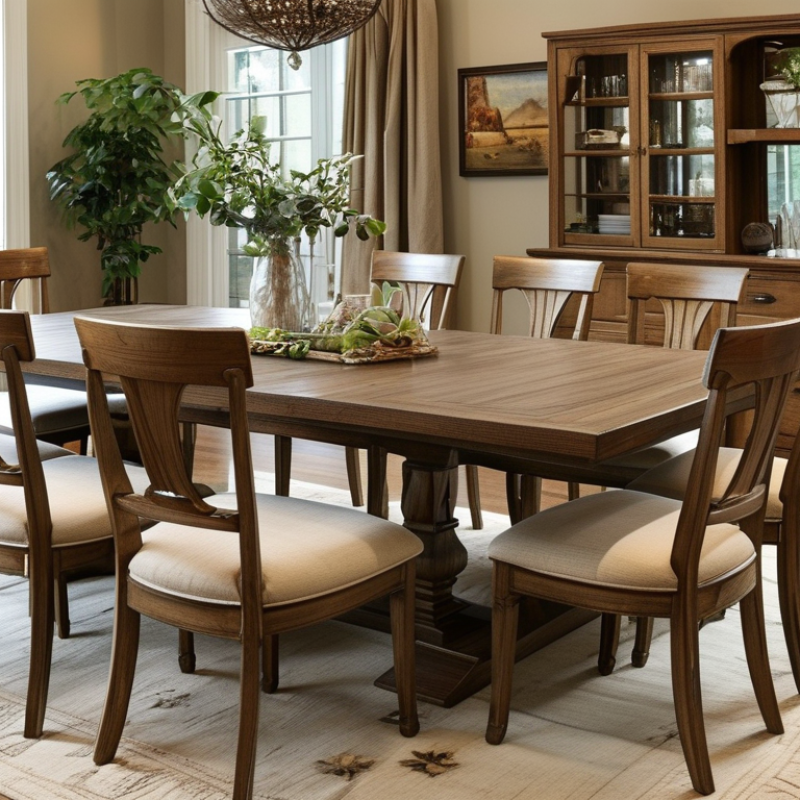
Consider the size and layout of your dining space. A well-proportioned table can enhance flow and comfort. Think about the style too. Modern, rustic, or classic designs all bring different vibes. Don't overlook material quality. Solid wood often offers durability, while engineered options may vary greatly.
Pay attention to comfort. Chairs should provide support, especially during long dinners. Sometimes, you might find a beautiful set that lacks comfort, and that's worth reflecting on. Testing pieces in-store can help with this. Finally, remember your personal taste. Trends can change, but your comfort and happiness should remain constant.
Understanding Your Dining Space: Size and Layout Considerations
When choosing dining furniture, understanding your dining space is crucial. Consider the size of the room. A spacious area allows for larger tables and chairs. Conversely, a compact space requires more thoughtful choices. A round table may fit better in a tighter area compared to a rectangular one.
Layout is also vital. Ensure there is enough space for movement. Ideally, allow at least three feet between the table and walls or other furniture. This space enables guests to move comfortably. If you have a unique layout, think about a customizable set. Flexibility can enhance functionality in unusual spaces.
Here are some tips to guide your choices: Measure your space accurately to avoid surprises. Consider the number of guests you typically host. A table can be exchanged for a smaller one if daily use requires less seating. Reflecting on these factors helps streamline your decision. Ultimately, creating an inviting dining area hinges on thoughtful planning.
Choosing the Right Style: Matching Furniture with Home Aesthetics
Choosing dining furniture that complements your home’s style is crucial. A survey by the American Home Furnishings Alliance revealed that 76% of homeowners prioritize aesthetics when selecting furniture. This statistic highlights the importance of aligning your dining furniture choices with your overall home design.
Consider the color and material of your dining furniture. Natural wood brings warmth, while metal adds a modern touch. Think about your existing décor. If your home features a rustic design, opting for hand-crafted wooden tables can enhance the ambiance. Conversely, sleek glass tables can elevate a contemporary space. However, blending different styles can lead to a disjointed look. It’s easy to overestimate how well mismatched pieces will fit together, leading to a confusing aesthetic.
Pay attention to scale as well. Larger furniture may dominate a small dining space, making it feel cramped. A report from the National Kitchen and Bath Association recommends at least 30 inches of space between dining chairs and walls. This ensures comfort and flow while dining. So, when selecting the perfect pieces, consider not just style but also practicality. Careful planning is essential to achieve a cohesive dining area that reflects your personality without overwhelming your space.
Top Tips for Choosing Perfect Dining Furniture for Your Home
Material Matters: Selecting Durable and Stylish Dining Furniture
Choosing the right dining furniture often revolves around the materials used. Wood, metal, glass, and upholstery can significantly influence the durability and aesthetic appeal. According to industry data, solid hardwood remains a preferred choice for dining tables, prized for its resilience and timeless look. It withstands daily wear and tear better than softer woods. In fact, studies show that hardwoods can last decades if properly maintained.
Metal frames offer a modern touch. They are sturdy and often lightweight, making them versatile for different settings. Additionally, powder-coated finishes prevent rust and scratches, ensuring longevity. However, the cold touch of metal may not appeal to everyone. It's crucial to balance style with comfort. Upholstered chairs soften the look but require regular maintenance to avoid staining. Recent reports suggest that approximately 30% of consumers consider upkeep before finalizing their choices.
Glass tops can elevate any dining space with sophistication but can be prone to scratches and fractures. Hence, consider thicker glass for added durability. It's interesting to note that while trends change, the significance of robust materials doesn't wane. Making decisions rooted in both aesthetics and practicality often leads to lasting satisfaction. Evaluating these factors helps you avoid future regrets and ensures your dining area remains enchanting yet functional for years to come.
Comfort is Key: Importance of Chair Design and Ergonomics
Choosing the right dining chairs is crucial for comfort. A recent study by the American Chiropractic Association highlighted that nearly 80% of adults experience back pain at some point. This pain is often linked to poor seating choices. Ergonomic chair design can significantly reduce discomfort. Look for chairs with lumbar support to maintain proper posture.
Materials and style also play a key role. Cushioned seats offer more comfort for long gatherings. A study from the Furniture Society showed that 65% of consumers prioritize comfort over style when choosing dining chairs. However, many still choose aesthetically pleasing options, sometimes at the expense of ergonomics. A balance is essential to create a welcoming atmosphere without sacrificing support.
Shape matters too. Round chairs can provide warmth, while sleek, angular designs may appear modern yet lack comfort. Aim for a mix that invites relaxation. Don’t forget about height—chairs should align well with your dining table. An ill-fitted chair can disrupt the entire dining experience. Always test your options; spend a few minutes sitting in them before making a decision.
Budgeting Wisely: How to Invest in Quality Dining Furniture
When budgeting for dining furniture, it’s essential to balance quality and cost. Consider your lifestyle. If you host frequently, durable materials will save you money long-term. A solid wood table, for example, can withstand the wear and tear of daily use. Vinyl or fabric chairs might offer comfort but can wear out quickly without proper care.
Don't forget about measurements. Oversized furniture can overwhelm a small dining area. Take precise measurements before shopping. This helps avoid costly returns. It’s also wise to explore different styles. A mix of modern and traditional can create visual interest. Explore local artisans or second-hand shops for unique pieces, often available at better prices.
Invest in a few high-quality items rather than many lesser-quality ones. Spending a little more now can prevent future disappointments. Consider the finish of the furniture too. Some finishes require more upkeep than others. Reflect on the care you’re willing to commit. This reflection can ultimately shape your choices and enhance your overall dining experience.
Top Tips for Choosing Perfect Dining Furniture for Your Home
| Dimension | Description | Price Range ($) | Materials | Key Features |
| Table Size: 6-8 Seats | Ideal for family dining and gatherings. | 500 - 1500 | Wood, Metal, Glass | Extendable, Space-saving |
| Chair Height: Standard | Comfortable and ergonomic design. | 100 - 400 | Wood, Upholstery | Cushioned Seats, Stackable |
| Bench Seating | Flexible seating option for large gatherings. | 250 - 800 | Wood, Metal | Rustic Style, Durable |
| Dining Sets | Complete solutions for dining room needs. | 700 - 2500 | Mixed Materials | Coordinated Look, Stylish |