How to Choose Clear PVC for Global Sourcing?

Choosing clear pvc for global sourcing requires more than comparing quotations. The material must remain transparent, stable, and compliant from factory production to final use. A low price can hide poor plasticizer control, inconsistent thickness, or weak packaging protection.

Industry data shows why this decision matters. PlasticsEurope’s Plastics—The Fast Facts reports global plastics production above 400 million tonnes in recent years. PVC remains an important material across construction, packaging, medical, and industrial applications. Grand View Research also identifies continued growth in the global PVC market through 2030. These figures suggest strong supply availability, but they do not guarantee reliable quality.

Look closely at each supplier’s evidence. Request a technical data sheet, recent batch certificate, and test results for haze, light transmission, tensile strength, and thickness tolerance. ASTM D1003 can support optical testing, while ISO 527 helps assess tensile performance. For regulated markets, verify REACH and RoHS documentation, supported by current declarations and traceable laboratory reports. Food-contact or medical applications require additional standards and application-specific validation.

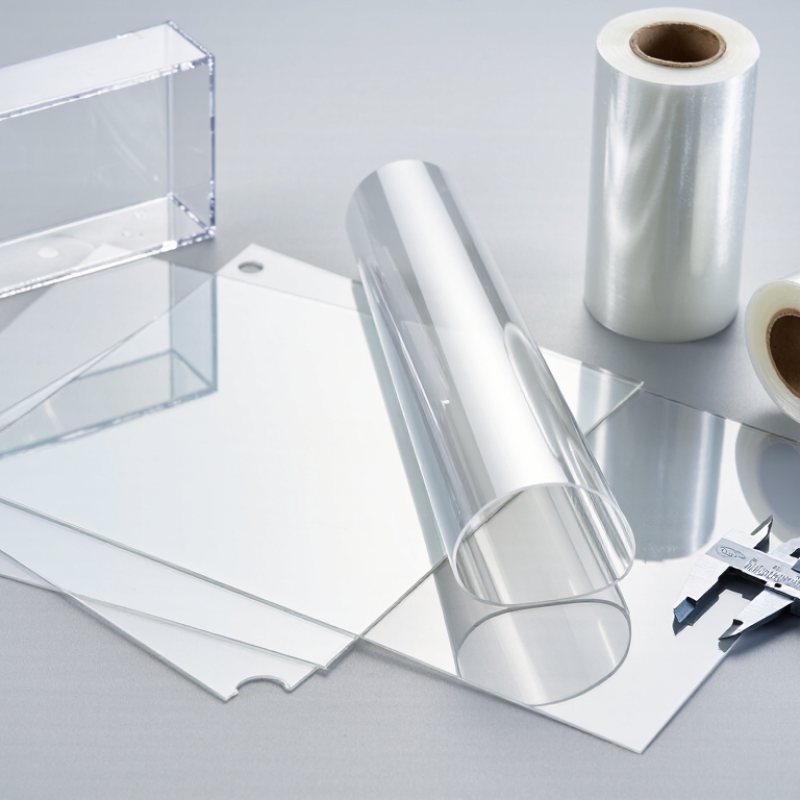
Inspect the sample physically. A good clear pvc sheet should show even clarity, smooth edges, and no bubbles under direct light. Test it after bending, cutting, and exposure to expected temperatures. Ask how the supplier controls recycled content, additives, and color variation. Their answer should be specific, not promotional.

No checklist is perfect. Supplier audits can miss seasonal variation or subcontracted production. Therefore, combine documentation with pre-shipment inspection and periodic independent testing. Global sourcing works best when cost, performance, compliance, and communication are evaluated together. The strongest supplier is not always the cheapest one.

How to Choose Clear PVC for Global Sourcing?

Define Clear PVC and Its Main Properties

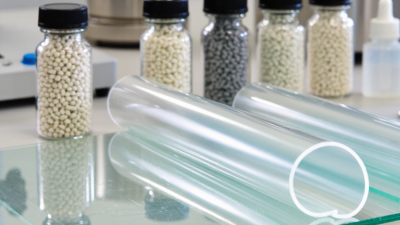
Clear PVC is polyvinyl chloride formulated to transmit light while maintaining useful mechanical strength. It may be rigid, semi-rigid, or flexible, depending on plasticizer content. Unlike glass, it is lightweight and resistant to impact, moisture, and many diluted chemicals. However, “clear” does not mean perfectly transparent. Haze, bluish tint, and surface marks can appear after extrusion or molding.

According to PlasticsEurope’s Plastics—The Fast Facts 2023, PVC accounted for about 9.6% of European plastics demand in 2022, equal to roughly 5.4 million tonnes. This scale supports broad availability for global sourcing. For technical comparison, ASTM D1003 measures luminous transmittance and haze, while ASTM D792 helps verify density. Typical PVC density is about 1.30–1.45 g/cm³, higher than many common packaging plastics. ASTM D1784 also provides a useful framework for classifying rigid PVC compounds.

A sourcing specification should state haze, light transmission, thickness tolerance, hardness, and service temperature. Ask for samples from the actual production line. Small differences matter. A clear sheet can look excellent under factory lighting but show distortion near a window. Weathering also deserves attention. ISO 4892 testing can help assess color change and loss of clarity under simulated sunlight. One imperfect assumption is that thicker PVC always performs better; thickness may improve stiffness, but it can also reduce transparency and increase shipping cost. Supplier data should therefore be checked against independent test results.

How to Choose Clear PVC for Global Sourcing?

Typical property ranges for rigid clear PVC used in transparent sheets, panels, films, and protective covers

Use these values as preliminary sourcing benchmarks. Actual performance varies with formulation, thickness, additives, processing, and test method.

Identify the Right Clear PVC Type for Your Application

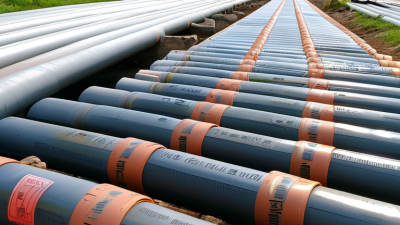
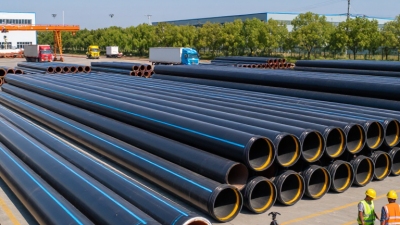
Clear PVC is not one universal material. Your application determines the right type, thickness, and formulation. Flexible PVC works well for tubing, curtains, and soft protective covers. Rigid PVC suits transparent panels, guards, and formed components. PVC film offers easier cutting and sealing, but it may crease during transport.

For packaging, check food-contact documentation and migration test reports from the supplier. For outdoor use, request UV resistance data and low-temperature performance results. A clear sheet can look perfect under showroom lighting, yet turn cloudy after heat exposure. Ask for samples from several production batches. Measure haze, light transmission, thickness, and surface defects under consistent conditions. Small bubbles matter in optical applications.

In practical sourcing work, I have found that drawings often miss important details. Specify the working temperature, bending radius, impact expectations, and required clarity. Confirm whether plasticizers, stabilizers, or processing aids are included. Request a technical data sheet, safety documentation, inspection records, and traceability information. Supplier audits can reveal weak storage practices, especially in humid warehouses. A simple trial run may expose sealing problems that laboratory samples hide. I still treat color and clarity judgments cautiously, because human inspection is inconsistent. A written acceptance standard is safer than verbal approval.

Evaluate Suppliers, Certifications, and Production Standards

How to Choose Clear PVC for Global Sourcing?

Clear PVC sourcing starts with the supplier, not the lowest quotation. Request factory registration, production capacity, equipment lists, and recent quality records. A capable supplier should explain resin grades, plasticizers, stabilizers, and intended applications in plain language. Ask for a lot-specific certificate of analysis. Check whether test results match the actual production site.

Certifications need careful verification. Request valid ISO 9001 records, material declarations, and market-specific compliance reports. For electrical or packaging uses, requirements can differ sharply by destination. Ask whether testing covers heavy metals, restricted substances, odor, migration, and phthalates where relevant. Verify the laboratory, report date, sample identity, and test method. A certificate logo is not enough. Traceability matters more.

Production standards should be visible on the factory floor. Review incoming resin checks, mixing records, temperature controls, thickness gauges, and final visual inspection. For clear film or sheets, define haze, color, tensile strength, elongation, thickness tolerance, and roll length before ordering. Keep sealed samples from each approved batch. A polished sample can still hide unstable processing. No checklist is flawless. Suppliers may also resist audits or provide incomplete records; treat that hesitation as useful evidence. Start with a pilot order, inspect several rolls, and compare results across batches before scaling globally.

Compare Quality, Pricing, Logistics, and Trade Terms

How to Choose Clear PVC for Global Sourcing?

Clear PVC selection should begin with application, not price. Define thickness, transparency, haze, tensile strength, flexibility, and operating temperature.

For rigid sheets, request thickness maps and impact-test results. For flexible film, check plasticizer content, odor, shrinkage, and surface defects.

ISO 1163-1 provides a useful framework for PVC material identification. However, one standard cannot replace a production sample. Light transmission can look acceptable in a small sample, then vary across a full roll. Ask for batch records, inspection photos, and independent test reports.

Pricing must reflect landed cost. Compare resin formulas, minimum order quantities, packaging, tooling, testing, duties, inland delivery, and payment terms.

A low factory quote may become expensive after port charges and damaged cartons.

UNCTAD’s Review of Maritime Transport 2024 reports that over 80% of global merchandise trade by volume moves by sea.

Logistics planning matters. Calculate container utilization carefully, especially for bulky sheets.

Under Incoterms 2020, FCA, FOB, CIF, and DAP assign different cost and risk responsibilities. Do not compare them as equal offers.

Tips:

Build a simple comparison sheet. Record haze, thickness tolerance, defect limits, lead time, and the exact Incoterm. Require a pre-shipment inspection before balance payment.

Keep two approved suppliers when continuity matters. I have seen buyers overvalue a one-percent discount and underestimate eight weeks of delay. That judgment deserves another review.

Performance data should guide the final decision, not a polished quotation.

Verify Samples and Finalize the Global Sourcing Plan

How to Choose Clear PVC for Global Sourcing?

Clear PVC can look identical across suppliers, yet perform differently in production. I have seen slight haze become a serious packaging complaint. Sample verification should begin with the exact thickness, width, finish, and intended use.

Request production-grade samples, not specially prepared pieces. Check clarity under daylight and inspect edges for bubbles, streaks, or uneven color. Measure thickness at several points with a calibrated gauge. Test flexibility, tensile strength, heat resistance, and odor when relevant. Record every result with photos, dates, and sample codes. Small differences matter.

Tips: Ask for a technical data sheet and recent test reports. Confirm whether results represent the supplied material. Compare samples after storage in warm and humid conditions. A 72-hour check can reveal curling or surface changes. It is easy to trust a clean sample too quickly. I have made that mistake. Also verify packaging, pallet protection, minimum order quantity, lead time, payment terms, and shipping documents before approval.

Your final global sourcing plan should connect quality results with commercial realities. Define an acceptable tolerance range, inspection method, and approval process in writing. Include a pre-shipment inspection and a corrective-action procedure. Confirm the supplier can repeat the approved specification across future batches. If the trial order passes, review the first shipment carefully rather than assuming consistency. That extra review may feel repetitive, but it protects production schedules and customer expectations.

How to Choose Clear PVC for Global Sourcing? - Verify Samples and Finalize the Global Sourcing Plan
Sourcing Dimension Verification Metric Sample Requirement or Target Recommended Verification Method Global Sourcing Decision
1. Define the Clear PVC Application and Specification
Product form Rigid sheet, flexible film, tubing, or molded component Specify the exact form, nominal dimensions, tolerance, surface finish, and intended end use before requesting quotations. Compare the supplier quotation, technical data sheet, drawing, and physical sample against one approved specification. Required before RFQ
Thickness Average thickness and point-to-point variation Use the application drawing as the acceptance limit. Record thickness at a minimum of five evenly distributed points per sample. Measure with a calibrated digital micrometer or thickness gauge. Avoid measuring directly over surface defects or edges. Reject samples that meet the average thickness but exceed the agreed local variation limit.
Dimensional tolerance Length, width, diameter, and flatness Set tolerances according to the converting or assembly process; do not rely only on nominal dimensions. Use a calibrated ruler, caliper, height gauge, or coordinate measuring equipment where necessary. Prioritize suppliers that can document process capability for critical dimensions.
2. Verify Optical and Appearance Performance
Visible light transmission Percentage of transmitted visible light Define a minimum value for the specified thickness and viewing direction. Transmission normally changes with thickness, formulation, and surface finish. Test according to ASTM D1003 or ISO 13468 using specimens conditioned under the same laboratory conditions. Compare samples only when thickness, test method, and conditioning are equivalent.
Haze Percentage of scattered transmitted light Set a maximum haze value appropriate to the visual application. A lower value indicates better optical clarity. Measure according to ASTM D1003 or ISO 14782. Record specimen thickness and test direction. Use haze results to separate genuinely clear PVC from samples that only appear clear under warehouse lighting.
Color and yellowness Visual color consistency and yellowness index Approve a master sample and define an allowable visual difference. Clear PVC should not show unacceptable yellow, gray, or blue tint. Use controlled daylight or standardized lighting for visual comparison; use a colorimeter when color consistency is critical. Require a retained golden sample for production release and incoming inspection.
Surface defects Black specks, gels, bubbles, scratches, flow marks, and contamination Define a defect classification, maximum defect size, allowable quantity, and inspection area. Inspect against a contrasting background under consistent illumination. Photograph and log every rejected defect type. Suppliers with repeatable defect records are preferable to suppliers offering only a visually attractive first sample.
3. Confirm Mechanical and Thermal Suitability
Density Mass per unit volume Record the supplier's declared value and establish an agreed tolerance after sample testing. PVC density varies with formulation and fillers. Test according to ASTM D792 or ISO 1183 using conditioned specimens. Investigate significant density differences because they may indicate formulation or filler changes.
Tensile properties Tensile strength and elongation at break Set minimum tensile strength and elongation values based on the product design, converting process, and handling requirements. Use ASTM D638 or ISO 527 with the correct specimen type, crosshead speed, and conditioning. Approve only results generated using the same test standard and comparable specimen orientation.
Impact resistance Resistance to cracking or breakage under impact Define the impact energy, temperature, specimen thickness, and pass/fail condition for the intended use. Use a recognized impact method such as ASTM D256 or ISO 180 where applicable to the product form. Include low-temperature impact testing if the product will be shipped, stored, or used in cold environments.
Heat resistance and dimensional stability Change in dimensions, softening, warping, or discoloration after heating Specify the exposure temperature, exposure time, allowable dimensional change, and appearance requirement. Condition specimens at the agreed temperature and time; measure dimensions before and after exposure. Confirm that the selected grade is suitable for the actual operating temperature, not just room-temperature handling.
4. Check Chemical, Regulatory, and Documentation Requirements
Plasticizer and formulation disclosure Presence of plasticizers, stabilizers, pigments, fillers, and restricted substances Require a controlled material declaration identifying relevant additives and the applicable regulatory status. Review the technical data sheet, safety data sheet, declaration of conformity, and independent laboratory reports where required. Do not approve a substitute formulation without written change notification and requalification.
Restricted substances Compliance with destination-market chemical requirements Identify the importing countries and applicable regulations before production approval. Requirements vary by product category and use. Use current regulatory checklists and laboratory screening appropriate to the destination market. Make regulatory documentation a purchase-order requirement, not an optional supplier document.
Odor and extractables Odor intensity and substances migrating from the PVC Define an odor acceptance level and any application-specific extractables or migration limits. Perform a controlled sensory assessment and use application-specific chemical or migration testing when relevant. Additional testing is essential for packaging, medical, food-contact, or enclosed-space applications.
5. Validate Samples and Build the Global Sourcing Plan
Sample traceability Sample identification, batch number, production date, and material grade Every sample should have a unique ID linked to its specification, test report, shipment, and supplier declaration. Use a sample approval form with photographs, dimensions, test results, and approval signatures. Only traceable samples should become the reference standard for mass production.
Production-representative sampling Similarity between laboratory sample and commercial production Request samples made using the intended production process, thickness, tooling, surface treatment, and packaging method. Confirm whether the sample is hand-made, trial-produced, or taken from normal production. Give greater weight to production-lot samples than to specially prepared presentation samples.
Batch consistency Variation across multiple lots Review samples from at least three production lots when the program is commercially important or quality risk is high. Repeat key optical, dimensional, and mechanical tests across lots and compare results with the approved range. Use lot-based release inspection for the initial orders until process stability is demonstrated.
Packaging and transit protection Protection from scratches, bending, moisture, heat, and contamination Define interleaving, protective film, palletization, carton or crate requirements, labels, and maximum stack height. Inspect packaging before dispatch and after transport simulation or trial shipment where practical. Approve packaging as part of the product specification because optical surfaces can be damaged in transit.
Lead time and replenishment plan Quoted production lead time, shipping time, customs buffer, and reorder point Create a country-specific plan using confirmed production capacity, transit route, import process, and seasonal risk. Validate the plan with a trial purchase order and record actual milestone dates from order confirmation to receipt. Maintain a safety stock or qualified backup source for critical clear PVC items.
Final supplier approval Weighted score covering quality, compliance, cost, capacity, logistics, and responsiveness Use a documented scorecard with agreed weights and mandatory pass criteria for safety, regulatory, and optical performance. Combine sample-test results, factory or process review, commercial quotation, and trial-order performance. Approve the supplier only after the specification, master sample, inspection plan, change-control process, and supply plan are signed off.
Technical note: ASTM and ISO methods should be selected according to the PVC product form and end use. Acceptance limits must be agreed with the buyer, converter, and end-market regulatory team before purchase-order release.
top