Why Choose PVC Pipe for Your Plumbing and Construction Needs
In the world of plumbing and construction, the choice of materials significantly impacts durability and efficiency. PVC pipe has emerged as a top contender in the industry. According to a report by the American Society of Civil Engineers, over 60% of plumbing professionals now prefer PVC pipe due to its resistance to corrosion and flexible design.
Expert in piping technologies, Dr. James Callahan, states, "PVC pipes offer unmatched versatility and can easily handle a variety of environmental conditions." This versatility is crucial, especially as construction projects aim to incorporate sustainable materials. The lightweight nature of PVC pipe allows for easy handling and installation, which can reduce labor costs and project timelines.
Despite its advantages, it's essential to acknowledge some concerns. Not all applications benefit from PVC pipe, and improper installation can lead to long-term issues. The industry must remain vigilant in research and development to address these challenges. By choosing PVC pipe wisely, builders and plumbers can enhance the integrity of their projects while still making informed decisions.

Advantages of PVC Pipe in Plumbing Applications
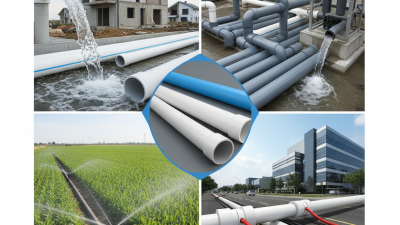
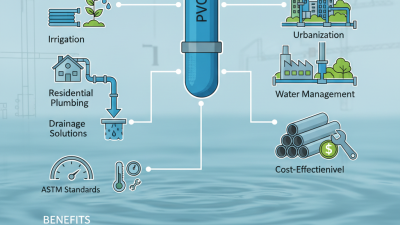
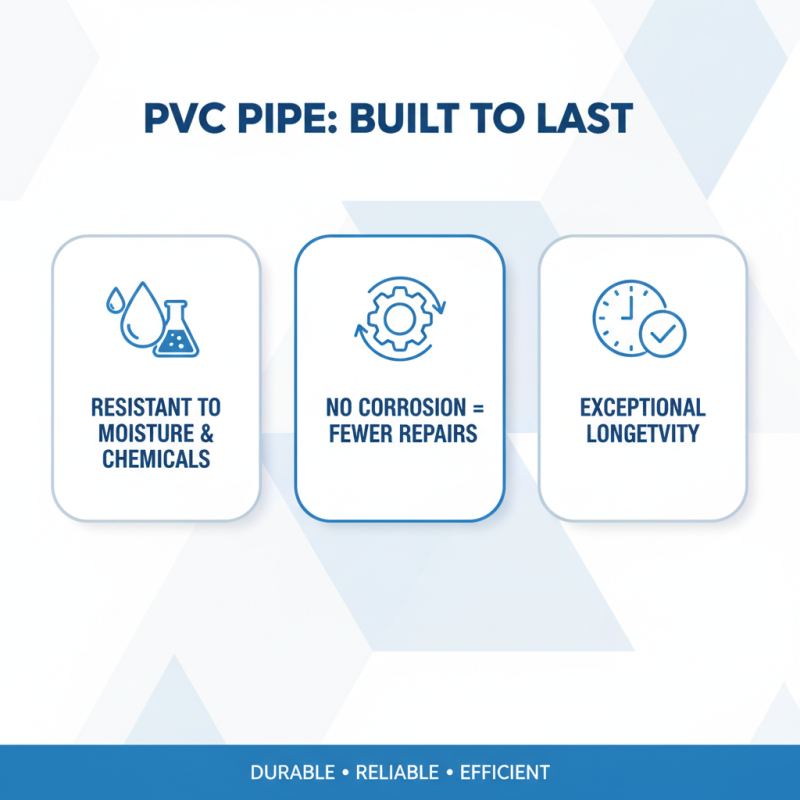
PVC pipe has gained popularity in plumbing due to its many benefits. This lightweight material is easy to handle, making installation a breeze. It doesn’t rust or corrode, which is a significant advantage over metal pipes. The longevity of PVC can reduce the need for frequent replacements. However, some might wonder about its durability under high temperatures.
In addition to its resistance to corrosion, PVC pipe is also quite affordable. This cost-effectiveness can help homeowners and builders stay within budget. Its smooth interior reduces friction, allowing for efficient water flow. Yet, it’s essential to consider how PVC holds up in extreme weather conditions. Some areas may experience cracking or fading due to intense sunlight.
Another important aspect is its environmental impact. While PVC is recyclable, not all facilities accept it. This raises questions about sustainability. Nonetheless, its energy-efficient manufacturing process can mitigate some environmental concerns. Choosing PVC for plumbing means balancing cost, durability, and environmental consciousness. It's important to weigh these factors before making a decision.
Advantages of PVC Pipe in Plumbing Applications
Cost-Effectiveness of PVC Pipes Compared to Other Materials
When considering plumbing and construction, cost-effectiveness is crucial. PVC pipes stand out against traditional materials. They generally cost less upfront and offer durability. This longevity leads to savings on repairs and maintenance over time. Homeowners can save significant money by using PVC.
Here are a few tips for choosing PVC pipes. First, ensure you understand fitting requirements. Incorrect fittings can lead to leakage, which nullifies any savings. Additionally, consider the application carefully. PVC pipes work well for low-pressure systems but may not be ideal for high-pressure applications.
While PVC has many advantages, it is also essential to reflect on its environmental impact. Though not biodegradable, advancements are being made to improve its recyclability. Opting for recycled PVC can lessen this footprint. So, weigh both the benefits and potential downsides when making your choices.
Why Choose PVC Pipe for Your Plumbing and Construction Needs - Cost-Effectiveness of PVC Pipes Compared to Other Materials
| Pipe Material |
Initial Cost ($/ft) |
Lifespan (Years) |
Maintenance Cost ($/year) |
Weight (lbs/ft) |
Corrosion Resistance |
| PVC |
0.50 |
50 |
25 |
2 |
Excellent |
| CPVC |
0.60 |
50 |
30 |
2.5 |
Good |
| Copper |
3.00 |
70 |
50 |
1.5 |
Poor |
| Steel |
2.50 |
30 |
70 |
5 |
Fair |
| PVC-U |
0.55 |
50 |
20 |
2.2 |
Excellent |
Ease of Installation and Maintenance for PVC Pipe Systems
PVC pipe systems offer significant ease of installation and maintenance. The lightweight nature of PVC makes handling simpler. Plumbers often report that using PVC cuts installation time by up to 25%. This is particularly beneficial in larger projects where time is money. According to industry studies, about 80% of plumbing professionals prefer PVC for new constructions due to these efficiencies.
Maintenance is also straightforward with PVC pipes. Unlike metal pipes, which can corrode over time, PVC remains relatively resistant to environmental factors. A survey indicated that maintenance costs for PVC systems can be 30% lower than for traditional materials over a project's lifespan. Routine inspections usually reveal minimal issues. However, it’s essential to monitor for cracks or joint leaks. Some professionals have noted that improper installation can lead to future complications, emphasizing the need for skilled labor.
Ultimately, the choice of PVC is not just about efficiency. It's about balancing long-term costs and the potential for issues down the line. Proper training and implementation play a role in maximizing its benefits. While many praise PVC for its advantages, oversight in installation can diminish its effectiveness. Regular checks and awareness of the material's limitations are key to ensuring a successful plumbing system.
Environmental Impact and Sustainability of PVC Piping Solutions
When considering plumbing and construction, the choice of materials often hinges on their environmental impact. PVC piping solutions have gained popularity due to their durability and lightweight design. They can withstand various environmental stresses, making them an excellent choice for diverse applications. However, it's essential to acknowledge the challenges surrounding PVC's production process and its long-term sustainability.
The manufacturing of PVC involves the use of chlorine and petrochemicals. This raises concerns about emissions and potential pollution. While PVC pipes can last for decades, their production contributes to environmental degradation. There are mixed opinions regarding the recyclability of PVC materials. Some argue that the recycling process for PVC is complex and not widely adopted. This leads us to question whether PVC truly lives up to its sustainable promise.
Nevertheless, the longevity of PVC pipes may offset some initial environmental concerns. They require less frequent replacement compared to other materials. Thus, fewer resources are used in production over time. As awareness of sustainability grows, the industry is exploring better practices. Innovative recycling methods and alternative materials are under development. This reflection is necessary as we navigate the balance between functionality and environmental responsibility.