Why Choose a Condensate Sump Pump for Your Home Needs?
When it comes to maintaining a comfortable home, a Condensate Sump Pump becomes an essential tool. Many homeowners overlook the significance of proper drainage for HVAC systems. This often leads to water damage and mold growth, creating health hazards. A Condensate Sump Pump efficiently removes excess water generated by air conditioning systems.
Choosing an appropriate pump requires careful consideration of your specific needs. Not all sump pumps are created equal. Factors such as pump capacity, drainage design, and energy efficiency should guide your decision. Seeking advice from professionals can make a difference. They can provide insights into reliable products that suit your home's requirements.
Investing in a quality Condensate Sump Pump protects your property and guarantees peace of mind. It is a practical solution against flooding. Understanding its function and importance in your space is vital. Balancing cost with reliability can be complex. Ultimately, the right sump pump not only safeguards your home but enhances your living environment, ensuring comfort for years to come.
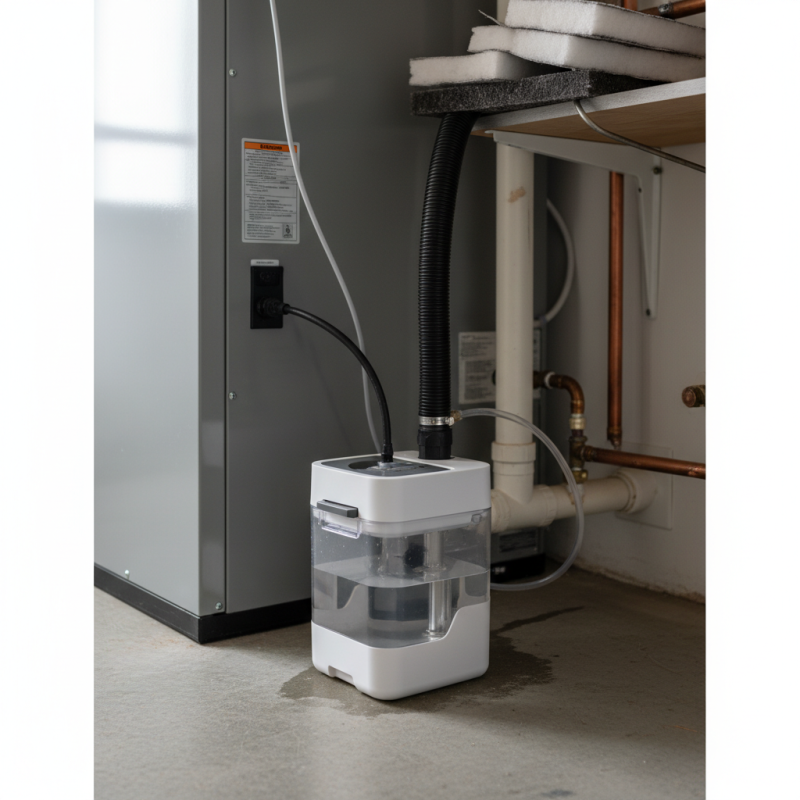
Importance of Managing Condensate in Home Systems
Managing condensate in home systems is crucial for maintaining a healthy environment. Condensate refers to the moisture that accumulates from air conditioning systems, water heaters, and humidifiers. If not managed properly, it can lead to mold growth, structural damage, and increased humidity.
A condensate sump pump is essential for timely removal of excess water. It collects condensate and directs it away from your home. Without it, you risk dampness that can affect air quality. Poor air quality can lead to respiratory issues, especially in children and the elderly. Lack of proper drainage can also attract pests.
However, choosing a sump pump requires careful consideration. It's vital to assess your home's specific needs. Not all homes produce the same amount of condensate. Overlooking the size and power of the pump can lead to future issues. A smaller pump may struggle, causing water backup. In contrast, a pump that's too powerful might be unnecessary and waste energy. Understanding these details is key to an efficient setup.
How a Condensate Sump Pump Works and Its Key Components
A condensate sump pump is vital for managing excess water in homes. Typically found in basements or near HVAC systems, it removes moisture generated by air conditioning or other sources. These pumps are equipped with a float switch that activates when water reaches a certain level, ensuring efficient drainage.
Key components of a condensate sump pump include the pump itself, a basin, and a discharge line. The basin collects water, while the discharge line carries it away from the house. Reports indicate that improper installation or maintenance can lead to 15-20% decrease in efficiency. Inspecting these components regularly is crucial to prevent failure.
Usage of these pumps is on the rise. A study by the American Society of Heating, Refrigerating and Air-Conditioning Engineers (ASHRAE) suggests that about 70% of homes with central air conditioning require condensate pumps. However, many homeowners overlook maintenance. Regularly checking for clogs and cleanouts can prevent costly repairs. Awareness of these factors is essential for efficient operation.
Why Choose a Condensate Sump Pump?
This chart illustrates the key benefits of using a condensate sump pump for home needs, based on various criteria such as cost-effectiveness, maintenance, efficiency, and capacity. The data represents a comparative analysis of these factors.
Benefits of Using a Condensate Sump Pump in Home Applications
When it comes to home maintenance, a condensate sump pump offers numerous advantages. It effectively manages excess moisture, especially in basements and crawl spaces. According to the American Society of Home Inspectors, over 60% of U.S. homes experience moisture-related issues. A functional sump pump can mitigate these problems, ensuring a healthier living environment.
One key benefit is prevention. Dampness can lead to mold growth, which affects air quality. Studies show that mold can trigger respiratory issues in over 10% of the population. Installing a condensate sump pump helps remove water quickly, reducing mold risk significantly. It's essential, however, to choose a reliable unit. Some cheaper options may not perform well in heavy rain or snowmelt.
Durability matters too. Not all pumps last equally; regular maintenance is crucial. Homeowners often overlook this aspect, leading to unexpected failures. Data from the National Association of Home Builders reveals that adequate home drainage systems can save homeowners up to 15% on repair costs over time. Investing in a quality pump pays off in the long run, helping to avoid larger issues later.
Factors to Consider When Selecting a Condensate Sump Pump
When selecting a condensate sump pump, it’s essential to assess your home’s specific needs. Consider the size of the area that requires drainage. A larger space might need a more powerful pump to effectively handle the excess water. Take time to measure the pit or basin depth. This will help determine which pump will fit and function best. Pay attention to vertical lift. This is the height water must be moved to reach the discharge point.
Another important factor is the pump's capacity. Look at the gallons per hour (GPH) rating. A higher GPH rating means the pump can move more water quickly. Noise level may also be a concern, especially in quiet environments. Some pumps operate more quietly than others. Review the installation requirements too. Certain models require professional installation while others are user-friendly for DIY enthusiasts.
Reflect on where and how often you'll need the pump to work. Occasional moisture might not necessitate a high-end model. Conversely, frequent condensation calls for reliability and efficiency. Be wary of options that seem too cheap; they often compromise quality. Investing in a well-reviewed pump can prevent future headaches. Consider these factors to choose wisely and to ensure lasting performance.
Routine Maintenance and Troubleshooting for Peak Performance
Routine maintenance for your condensate sump pump is crucial. Regular checks ensure its longevity and effectiveness. Start by inspecting the pump for any signs of rust or wear. Listen for unusual noises during operation. These signs can indicate potential issues.
Tips: Keep the pump clear of debris. A clean sump pit can improve efficiency. Additionally, test the pump periodically by pouring water into the pit. This simple action confirms its functionality.
Also, consider the float switch. This component controls the pump's operation. If it gets stuck, your system may fail. Adjusting the float can prevent this problem. Addressing these concerns promptly avoids costly repairs later. Regular upkeep leads to peace of mind. Neglect may lead to unexpected flooding, a situation best avoided. Make maintaining your sump pump a priority.

