What Is the Best Poly Pipe Type for 2026?
Choosing the best poly pipe for 2026 requires more than comparing prices or wall thickness. Project conditions matter. Water temperature, operating pressure, soil movement, sunlight, installation access, and expected service life can change the right specification. A pipe that performs well beneath a suburban lawn may be unsuitable for an exposed agricultural line. That difference is easy to overlook.
Tony Radoszewski, former president and chief executive officer of the Plastics Pipe Institute, describes polyethylene pipe as “a resilient, flexible, and corrosion-resistant material.” That practical view still matters in 2026. Modern HDPE and PE4710 systems can provide strong pressure performance, excellent leak resistance, and reliable fusion joints when trained crews follow approved procedures. They also tolerate ground movement better than many rigid alternatives. Not every job needs the highest-rated option.
The best choice may be PE4710 for demanding municipal water applications, MDPE for selected gas systems, or another polyethylene grade for irrigation and industrial service. Product certification, pressure class, dimensional ratio, temperature limits, and joining compatibility deserve careful review. A cheaper roll can become expensive if fittings fail, the wrong SDR is selected, or installation occurs on sharp, poorly prepared ground.
There is no universal winner.
This guide compares the leading poly pipe types expected to shape purchasing decisions in 2026. It considers performance, installation, maintenance, environmental exposure, and long-term value. Some recommendations may seem obvious. Others deserve another look, especially where recycled content, heat exposure, or uncertain site data affects reliability. The final answer should fit the application, not merely the sales brochure.
HDPE, MDPE, PEX, and PP-R: Definitions Under ASTM and ISO Standards
What Is the Best Poly Pipe Type for 2026?
HDPE, MDPE, PEX, and PP-R serve different temperature, pressure, and installation conditions. HDPE is widely selected for buried water mains because it tolerates ground movement and supports heat-fused joints. ASTM F714 and ISO 4427 define important requirements for polyethylene pressure pipes. MDPE offers useful flexibility, especially for service connections and low-temperature distribution. However, density alone does not determine suitability. Confirm the material classification, SDR, pressure rating, and approved fluid.
PEX is commonly used inside buildings for hot and cold water. ASTM F876, ASTM F877, and ISO 15875 address PEX dimensions, performance, and system requirements. It bends around corners, reducing fittings behind a bathroom wall. PEX still needs protection from prolonged ultraviolet exposure and unsuitable chemicals. PP-R, covered by ASTM F2389 and ISO 15874, performs well in hot-water plumbing and mechanical rooms. Its heat-fused joints can be reliable, but poor temperature control during fusion remains a practical weakness.
A 2024 Grand View Research report estimated the global plastic pipes market at about 41.9 billion dollars in 2023, with continued growth through 2030. That expansion does not make one polymer universally superior. A buried municipal line, rooftop irrigation pipe, and boiler-room riser demand different evidence. Check independent test reports, local code requirements, and the manufacturer’s installation data. The uncomfortable truth is simple: choosing by price or color is still common, and it can produce expensive failures.
PE4710 HDPE: 1,600-psi HDB and AWWA C906 Pressure Classes
What Is the Best Poly Pipe Type for 2026?
For many pressurized water projects, PE4710 HDPE remains a strong poly pipe choice. Its 1,600-psi hydrostatic design basis supports demanding applications. However, this value is not the pipe’s working pressure. It describes the material’s long-term hydrostatic strength at a defined temperature and testing condition.
AWWA C906 pressure classes help engineers select pipe thickness for water systems. The correct class depends on outside diameter, dimension ratio, operating pressure, surge, temperature, and installation conditions. A thicker wall usually provides greater pressure resistance. It also reduces internal flow capacity and may increase material costs. That tradeoff deserves careful review.
HDPE offers flexibility around gentle curves and strong resistance to many soil conditions. Heat-fusion joints can create a continuous pipeline with fewer mechanical connections. Still, fusion quality depends on clean surfaces, correct heating, alignment, and trained technicians. Small installation mistakes can become expensive underground.
Temperature matters more than many specifications suggest. Higher service temperatures can reduce allowable pressure. Soil movement, vacuum conditions, and repeated pressure surges also need attention. A project using the same C906 class everywhere may be convenient, but it may not be optimal. The best selection comes from matching PE4710 properties with actual field loads, verified calculations, and the applicable design standard.
PEX: 100–160 psi Ratings Under ASTM F876 and ASTM F877
When comparing poly pipe types for 2026, PEX deserves close attention for indoor water distribution. Its pressure ratings commonly range from 100 to 160 psi, depending on temperature, size, and design conditions. ASTM F876 defines key dimensions and performance requirements for PEX tubing. ASTM F877 covers PEX systems used for hot and cold water distribution.
The pressure number needs careful reading. A tube rated at 160 psi near room temperature may carry a lower rating at elevated temperatures. Many PEX products show ratings around 100 psi at 180°F and 160 psi at 73°F. These figures are not interchangeable. Always check the product marking, installation instructions, and local plumbing requirements. A field inspector may also request documentation for the exact tubing size.
PEX handles repeated expansion and contraction better than some rigid piping materials. It also bends around framing, reducing joints behind walls. That flexibility can simplify real installations, especially around bathrooms and utility rooms. However, sharp bends, excessive sunlight exposure, and unsupported runs can still create problems. A common mistake is treating the maximum pressure rating as a normal operating target. It is a limit, not a daily goal. I would also avoid choosing tubing by pressure alone. Temperature, connection methods, water chemistry, and freeze exposure deserve equal attention. The standards help establish reliability, but careful installation determines how that reliability performs onsite.
What Is the Best Poly Pipe Type for 2026? — PEX Pressure Ratings
PEX tubing manufactured to ASTM F876 and ASTM F877 is commonly rated at 160 psi at 73.4°F (23°C), 100 psi at 180°F (82°C), and 80 psi at 200°F (93°C). Pressure capacity decreases as operating temperature increases, so the correct rating must be selected for the intended application.
Reference: ASTM F876 and ASTM F877 temperature-based pressure-rating requirements for crosslinked polyethylene (PEX) tubing.
PP-R: 10-MPa Minimum Required Strength Under ISO 15874
For 2026, PP-R remains a practical choice for hot and cold water systems. Under ISO 15874, a 10-MPa minimum required strength is a key reference for material classification. This value describes long-term resistance, not the pipe’s direct working pressure. Temperature, wall thickness, service life, and safety factors still affect design.
In field inspections, I look beyond the printed pressure class. The pipe should have traceable test records, consistent dimensions, and clear installation guidance. Heat exposure matters. A pipe carrying hot water continuously may lose pressure capacity over time.
Poor fusion, sharp bends, or unsupported sections can create local stress. Small mistakes become expensive leaks.
It is also worth checking whether the selected system matches the project’s temperature profile and hydraulic demand. A 10-MPa value alone cannot prove suitability.
Tips: Confirm the ISO 15874 classification and manufacturer test data. Check pressure ratings at the actual operating temperature. Inspect fusion joints before covering them. Keep pipes away from prolonged ultraviolet exposure during storage. Use calibrated tools. Record batch numbers and installation conditions. A simple site log can prevent uncertain decisions later. Do not assume thicker pipe always solves every problem; flow resistance and joint quality still require attention.
Choose by Application: Water, Gas, Irrigation, UV, and Chemical Resistance
Choosing the best poly pipe in 2026 starts with the fluid, temperature, pressure, and installation environment. Experience matters here. A pipe that performs well underground may fail quickly above ground.
For drinking water, choose pipe approved for potable use and matched to the required pressure class. Smooth internal walls support steady flow and reduce buildup. Confirm the operating pressure, temperature range, and joint method before installation. Gas service requires specially certified pipe, fittings, and installation procedures. Never substitute water pipe for gas service. Local codes and qualified inspection remain essential.
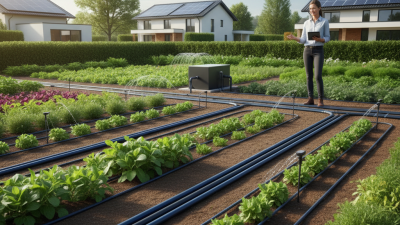
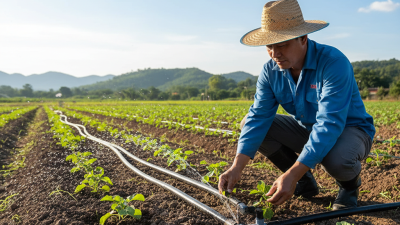
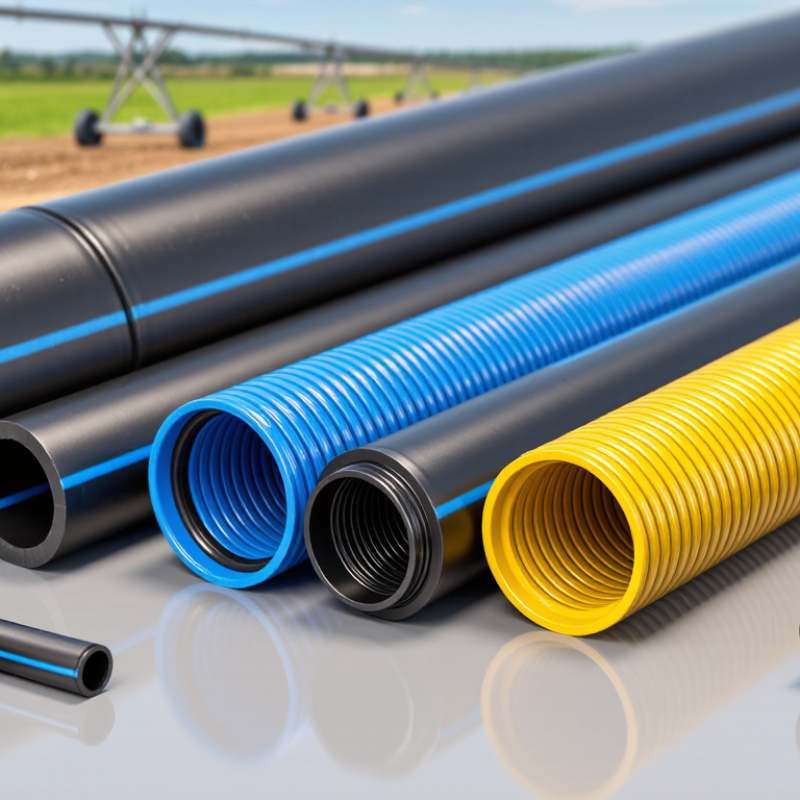
Irrigation systems often need flexible polyethylene pipe that tolerates soil movement and repeated pressure changes. Exposed sections need strong UV resistance, usually supported by carbon-black protection or an approved outer layer. Sunlight is harsh. Chemical applications require a compatibility review for concentration, temperature, and exposure time. Resistance to one chemical does not guarantee resistance to another. Check independent test data and technical tables, not only sales descriptions.
I once assumed thicker pipe always meant better performance. That was too simple. Wall thickness, flexibility, joining quality, and temperature can matter more. For unusual fluids, request written compatibility guidance and test a small section first. Keep installation records, pressure results, and soil conditions for future maintenance decisions.