10 Best Hydraulic Ram Components for Global Buyers?
For global buyers, selecting Hydraulic Ram Components is a practical decision with consequences for performance, maintenance, and operating costs. A ram may look simple from the outside. Inside, the cylinder, piston, seals, rod, and mounting hardware must work together under pressure. Small details matter. A seal that fits poorly can lead to leakage, while an undersized rod may not suit the load or duty cycle. The right choice depends on the equipment, working conditions, and verified specifications—not just price.
This guide introduces ten commonly considered components and explains what buyers should check when comparing suppliers. It covers materials, dimensions, pressure ratings, surface finish, compatibility, and documentation. A clear drawing and accurate measurements can prevent avoidable ordering mistakes. So can asking how a part was tested and what service conditions it is intended to handle. Supplier claims deserve a careful review. Product data and traceable quality records provide stronger grounds for comparison than broad promises.
There is no universal component set for every hydraulic ram. Operating temperature, contamination, side loading, and maintenance practices can all change what is suitable. Some purchasing decisions remain uncertain until the part is inspected or tested in its application. That is worth admitting. Use the following overview as a starting point, then confirm critical requirements with equipment documentation and a qualified technical professional. A careful comparison helps global buyers make informed choices and reduces the risk of mismatched parts.
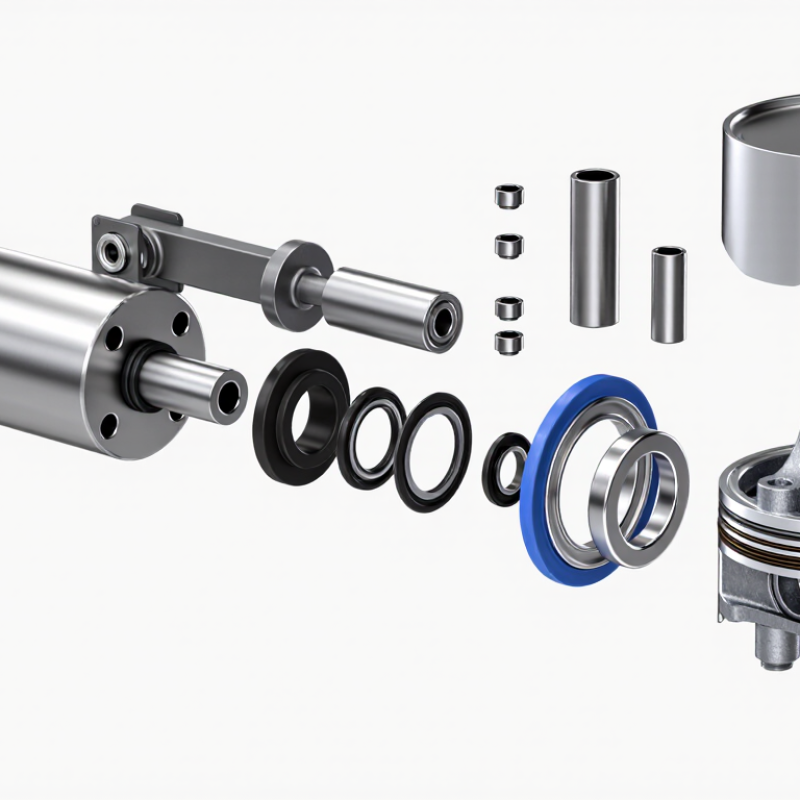
Understanding Hydraulic Ram Components and Their Roles
A hydraulic ram converts fluid pressure into straight-line force. Its cylinder barrel contains the pressurized oil, while the piston separates the two chambers. The piston rod transfers force to the machine. Seals help limit leakage, and guide rings keep the moving parts aligned. Small details matter: a scratched rod can damage a seal and lead to pressure loss.
The valve directs oil to either side of the piston, controlling extension and retraction. Ports connect the cylinder to hoses or rigid lines; fittings must match the system’s pressure and flow requirements. A 2006 U.S. Department of Energy industrial pumping systems sourcebook notes that pumping systems can account for a significant share of facility electricity use. That figure covers pumping broadly, not hydraulic rams alone, but it underscores why leaks and poor flow control deserve attention. A ram may look simple. Its supporting circuit is not.
Tips: Check the rod for scoring, inspect seals for seepage, and confirm that mounting pins move freely. Record operating pressure and cycle temperature during routine checks. Do not overlook the oil itself; contamination can shorten component life. One caveat: inspection intervals depend on duty cycle and environment, so a generic schedule may not fit every machine.
How to Evaluate Hydraulic Ram Components for Global Applications
Global buyers should evaluate hydraulic ram components as a working system, not as isolated parts. The cylinder barrel must tolerate rated pressure, side loads, and repeated cycling. The piston rod needs a hard, corrosion-resistant surface for humid ports or dusty construction sites. Seals, guide rings, wipers, glands, ports, mounts, cushions, and fasteners also deserve equal attention. One weak component can shorten the entire ram’s service life.
Start with real operating data. Record working pressure, peak pressure, stroke length, cycle frequency, load direction, and ambient temperature. Check whether the seal material matches the hydraulic fluid and temperature range. A ram used in cold storage may need different sealing performance from one used in tropical machinery. Ask for dimensional drawings, material certificates, pressure-test records, and traceability documents. Clear evidence matters more than a polished product photograph.
Global applications also require practical logistics. Confirm thread standards, port configurations, packaging strength, spare-seal availability, and replacement lead times. A technically sound ram can still fail commercially if a damaged rod cannot be replaced quickly. Independent inspection may be sensible for large orders. However, inspection plans can become excessive and delay production. I have seen teams measure every dimension while overlooking mounting misalignment. That mistake creates uneven wear, leakage, and early failure. Field feedback should therefore influence the final component choice, even when laboratory data looks convincing. Conditions are rarely perfect.
Ten Essential Hydraulic Ram Components for Buyers
A hydraulic ram works only as well as its weakest interface. Buyers should inspect ten core components: cylinder barrel, piston, piston rod, rod gland, piston seals, rod seals, wear rings, end caps, ports, and mounting hardware. The barrel’s inner surface should be smooth; scoring can damage seals and cause leakage. Check the rod for straightness and corrosion resistance, and confirm seal materials suit the fluid, temperature, and pressure. Wear rings guide the piston and reduce metal-to-metal contact. Small parts matter.
Selection and energy use Selection also affects energy use. The U.S. Department of Energy’s Improving Pumping System Performance guide reports that pumping systems account for nearly 20% of global electricity use. That figure covers pumping systems broadly, not hydraulic rams alone, but it underscores why leakage and poor maintenance deserve attention. Specify cushioning where a load must stop gently, and verify port size, thread type, stroke, and mounting dimensions against the machine. A mismatch can turn installation into expensive rework.
Tips: Ask for pressure ratings, seal specifications, material details, and inspection records. Compare the quoted duty cycle with actual operating conditions. Do not assume a larger rod is automatically better; it may add weight without solving side-load problems. One overlooked detail can be the costly one.
Matching Components to Operating Conditions and Equipment
A reliable hydraulic ram depends on how its components match the machine and its working conditions. A cylinder barrel must handle the system’s pressure and stroke without excessive deflection. The piston and rod should suit the required force, alignment, and movement speed. Rod material and surface finish matter, especially where dust, moisture, or abrasive debris can damage seals.
Seals, wear rings, and the cylinder head need to match the hydraulic fluid, temperature range, and operating cycle. For example, a ram working outdoors in cold weather may need different seal materials from one running continuously in a warm factory. Port fittings must also suit the hose layout and flow requirements. Mounting pins and brackets should allow the ram to move through its full arc without side loading. End cushioning can reduce impact at stroke limits, but it cannot correct poor alignment. On paper, a component may appear suitable; field conditions sometimes prove otherwise.
Tips: Check pressure, stroke length, load direction, fluid type, and ambient temperature before selecting parts. Inspect rod surfaces and seal wear during routine maintenance. Keep a record of leaks and operating cycles; small details can reveal a mismatch early. When dimensions are uncertain, verify them against the equipment drawing or measure the installed ram.
Global Sourcing, Compatibility, and Maintenance Considerations
Global sourcing hydraulic ram components is not just a price comparison. Buyers should match cylinder barrels, pistons, seals, rods, and ports to the machine’s pressure range and operating cycle. A component that fits physically may still fail under repeated shock loads. Check drawings, thread standards, material specifications, and allowable pressure before approving a substitute. Small details matter.
Suppliers may use different measurement conventions or describe similar parts with different terms. Request dimensional drawings and confirm critical measurements, including rod diameter, stroke length, port size, and seal-groove dimensions. Keep a sample component nearby when checking a replacement; a ruler alone can miss wear or small design differences. I have seen this step rushed, and it can lead to avoidable rework. That can fail.
Maintenance planning should influence sourcing decisions. Ask about seal materials, surface finish, corrosion protection, and storage requirements, especially when parts will travel long distances or sit in a warehouse. Keep spare seals and wear parts in clean, labeled packaging, away from heat and dust. Record installation dates, fluid condition, and leak observations. These notes help identify recurring problems, though records are sometimes incomplete. Buyers should also confirm inspection methods and documentation before shipment, rather than discovering missing details during installation.
10 Best Hydraulic Ram Components for Global Buyers
Indicative sourcing and maintenance priority (1 = lower, 5 = higher)
Scores are a practical, qualitative guide—not measured industry data. Priorities vary with pressure, duty cycle, fluid, environment, and system design. Confirm dimensions, pressure ratings, seal and fluid compatibility, and applicable standards before purchasing; follow the equipment maker’s inspection and service guidance.

