Find the Best Grating Stair Tread Options for Global Buyers
In the global construction industry, safety and functionality are paramount. Grating Stair Treads play a vital role in enhancing both. According to a report by the International Safety Foundation, slips and falls account for 30% of workplace injuries. This highlights the importance of durable and effective stair tread solutions. Industry expert John Mitchell states, "Choosing the right Grating Stair Tread can significantly reduce accidents and improve safety."
The global market for Grating Stair Treads has seen steady growth. Demand is driven by rising safety standards in commercial buildings. Materials like fiberglass and steel are preferred for their durability and slip-resistant properties. Many architects are also considering aesthetic factors. Integrating functionality with pleasing designs is crucial in modern stair safety solutions.
However, despite advancements, choosing the right Grating Stair Tread can be overwhelming. Buyers often face challenges in evaluating material options and compliance standards. Understanding local regulations and requirements is essential yet often overlooked. It's crucial to reflect on these details to ensure the safety and satisfaction of users. Thus, the quest for the best Grating Stair Tread options remains a significant consideration for global buyers.
Understanding Grating Stair Tread: Definition and Importance
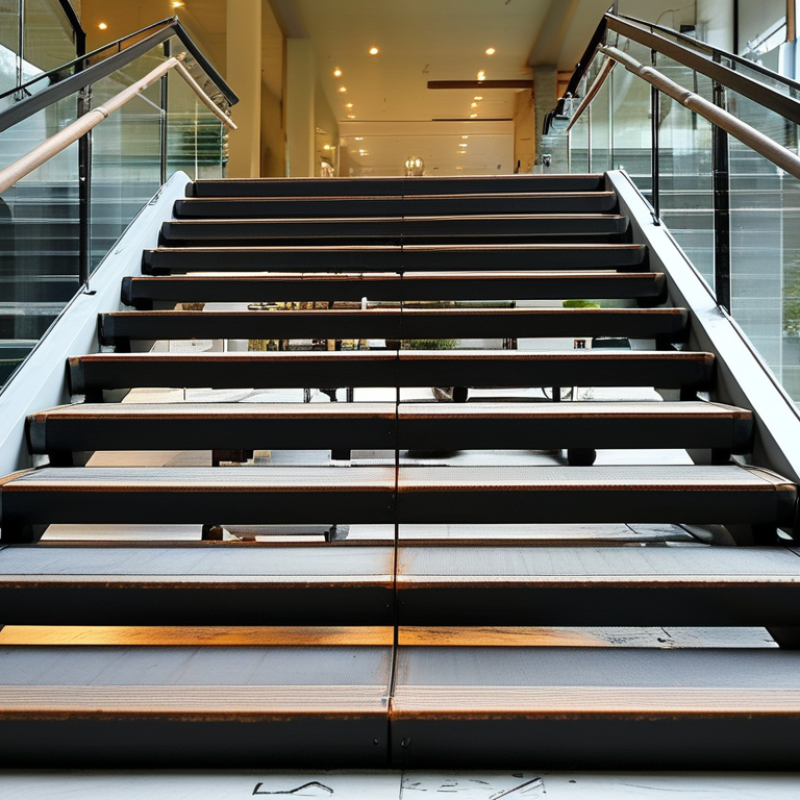
Grating stair treads serve a crucial role in safety and functionality. These treads are designed to prevent slips and falls on staircases. According to industry reports, installing grating stair treads can reduce slip accidents by up to 30%. This highlights their importance in various settings, from industrial facilities to public buildings.
Understanding the materials used in grating stair treads is vital. Common materials include fiberglass and metal, each offering unique advantages. Fiberglass is corrosion-resistant and lightweight, while metal provides exceptional durability. Averages show that metal treads can last ten years longer than their fiberglass counterparts, but both have specific installation requirements.
Users must consider environmental conditions when choosing treads. In some areas, excessive moisture can corrode metal treads faster than anticipated. Additionally, tread designs should ensure visibility, especially in low-light conditions. A balance between aesthetics and functionality is often missed, sometimes leading to poor choices that don't meet safety regulations. Reflecting on these factors ensures that the right selection is made for specific needs and environments.
Top Grating Stair Tread Options by Material Type
This chart illustrates the market demand for various grating stair tread materials based on units sold. Fiberglass leads the market, followed by aluminum and steel, reflecting the preferred choices among global buyers for safety and durability.
Types of Grating Stair Treads Available in the Market
When considering grating stair treads, it is essential to understand the variety available in the market. These treads come in several types, with each tailored for specific environments and safety requirements. Steel grating, for example, is highly durable and offers excellent slip resistance. According to the National Floor Safety Institute, approximately 55% of fall accidents occur on stairs, emphasizing the importance of reliable treads.
Aluminum treads are another popular option. They are lightweight and resistant to corrosion, making them suitable for both indoor and outdoor applications. Composite materials have recently gained traction for their versatility. These treads are designed to withstand harsh weather conditions and require minimal maintenance. The Global Grating Market Report indicates a compound annual growth rate of 6.1% for composite materials over the next five years, reflecting growing consumer demand.
It is crucial to consider installation and maintenance when selecting grating stair treads. Misaligned treads can create safety hazards. Additionally, some materials may require more frequent inspections. Regular maintenance ensures their effectiveness and longevity. Understanding your environment will help in making the best choice for safety and compliance.
Key Factors to Consider When Choosing Grating Stair Treads
When choosing grating stair treads, several key factors come into play. The material is vital. Common options include steel, aluminum, and fiberglass. Each has unique properties and price points. Steel provides strength but may corrode. Aluminum is lightweight and rust-resistant. Fiberglass offers durability but can be more expensive.
Another important factor is safety. Surface texture matters significantly. A tread designed with a non-slip surface increases grip, especially in wet environments. Consider your specific needs. Environments with high foot traffic require robust and reliable treads.
Tips: Always measure your stairs accurately. Poorly fitting treads can lead to safety hazards. Additionally, reflect on the aesthetics. Treads should not only be functional but also visually complement your space. Balancing safety, durability, and style might require some thought.
Top Manufacturers and Suppliers for Global Buyers
When selecting grating stair tread options, global buyers should focus on top manufacturers and suppliers. Industry reports highlight that the market for non-slip stair treads is projected to grow significantly. A recent study estimates a compound annual growth rate (CAGR) of 6.5% over the next five years. This growth is driven by increased safety regulations and rising awareness of workplace safety.
Choosing the right tread option can greatly enhance safety. It's essential to consider materials that provide durability and slip resistance. A vital factor is the coefficient of friction, which indicates how effectively a tread can prevent slips. For example, surfaces with a coefficient of friction greater than 0.6 offer good traction. However, not all treads have the same longevity. Many buyers report that some materials wear out faster than expected.
Tips: Look for treads that offer a warranty. This warranty can serve as a sign of the manufacturer's confidence in product durability. Factoring in the intended use is crucial, as heavy foot traffic can significantly affect wear. It's also wise to consult industry experts who can provide tailored advice for specific environments. Finding reliable suppliers ensures you’re selecting the options that meet safety standards.
Installation and Maintenance Tips for Grating Stair Treads
When selecting grating stair treads, proper installation and maintenance are crucial for safety and longevity. Ensure the surface is clean and dry before installation. Align the treads carefully with existing stairs to avoid misalignment. The use of non-slip adhesive is advisable to enhance grip. Ensure each tread is securely fixed to prevent accidents.
Maintenance is equally important. Regularly inspect the stair treads for wear and tear. Look for cracks or loose fittings that may compromise safety. A simple cleaning routine can help maintain their appearance and function. Use a soft brush or mop to remove debris. Occasionally, a deeper clean may be needed to remove stubborn stains.
Tips to consider: Always keep your staircase well-lit. This reduces the risk of trips and falls. If you notice any issues, address them immediately. Relying on a professional is sometimes wise. Unsuitable installation can lead to severe consequences. Prioritize safety when choosing and maintaining your grating stair treads.

