Best Fiberboard Medium Density Board for Global Buyers?
In the ever-evolving landscape of interior design and construction, the demand for quality materials is paramount. Fiberboard Medium Density Board stands out as a preferred choice among global buyers. Its versatility and durability make it suitable for various applications. From cabinetry to furniture, this material transforms spaces efficiently.
With a focus on quality and affordability, finding the best Fiberboard Medium Density Board can be daunting. Buyers often face challenges in sourcing reliable suppliers. Many options flood the market, but not all meet high standards. The nuances of quality can easily be overlooked, leading to dissatisfaction.
Understanding the characteristics of Fiberboard Medium Density Board is crucial. Density, thickness, and finish are essential factors. Selecting the right product involves assessing these attributes carefully. It requires expertise to identify the best options available. This guide aims to illuminate the path for global buyers seeking top-notch Fiberboard Medium Density Board.
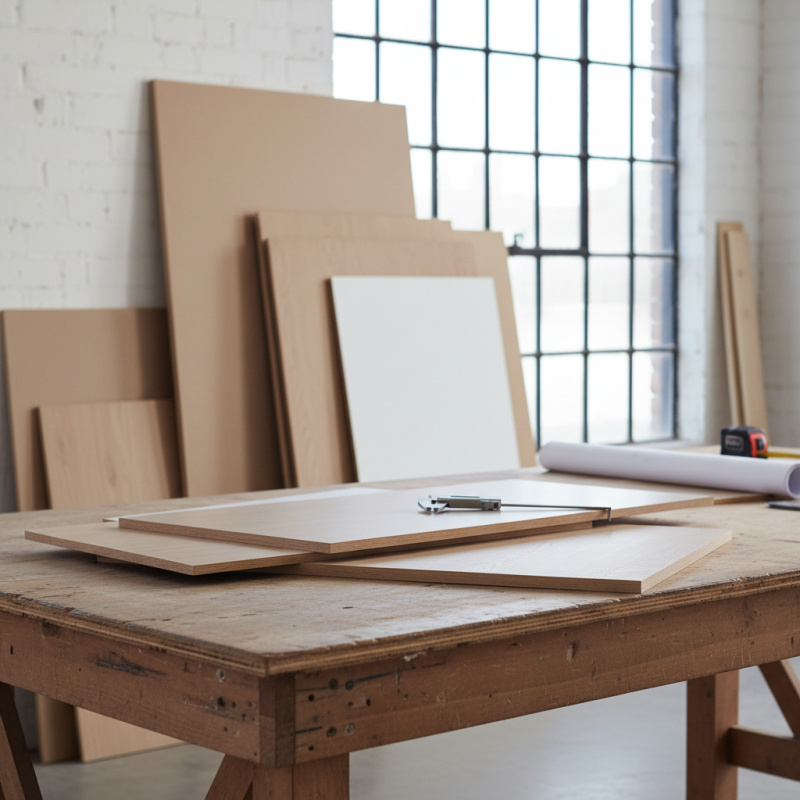
Overview of Medium Density Fiberboard (MDF)
Medium Density Fiberboard (MDF) is a versatile material widely used in furniture, cabinetry, and flooring. Its popularity stems from its smooth surface and ease of machining. According to a recent industry report, the global MDF market is expected to reach approximately $25 billion by 2025. This growth reflects the rising demand for eco-friendly construction materials.
MDF is made from wood fibers, wax, and resin compressed at high temperatures. This process ensures a uniform density and texture throughout the board. Because of its density, MDF offers excellent sound absorption properties. However, it is essential to consider that excessive moisture can weaken MDF, leading to warping or damage. Ensuring proper sealing and finishing can help mitigate these risks.
Tips: Always choose MDF sourced from reputable suppliers. Look for certifications that guarantee sustainability. Consider the thickness of the board for your specific application. Thicker boards are generally more durable.
When working with MDF, dust control is crucial. Cutting MDF releases fine particles that may harm health when inhaled. Always wear proper protective gear. As the market evolves, staying informed about advancements and eco-friendly practices is beneficial.
Key Properties and Benefits of MDF for Global Buyers
Medium Density Fiberboard (MDF) has gained popularity among global manufacturers and builders. Its key properties make it a preferred material in various applications. According to the Wood-based Panels Industry report, the global MDF market is projected to reach $20 billion by 2026. This reflects significant demand for versatile and sustainable materials.
MDF boasts excellent machining capabilities. Its smooth surface allows for easy painting and veneering, making it ideal for furniture and cabinetry. Furthermore, it is an environmentally friendly option. MDF is made from recycled wood fibers, reducing waste and promoting sustainability. However, some concerns arise with the potential formaldehyde emissions during its production. Buyers should ensure compliance with emission standards to guarantee safety.
The density of MDF typically ranges from 600 to 800 kg/m³. This density provides a good balance between strength and cost-effectiveness. However, while MDF is stronger than particleboard, it is less water-resistant. This can pose challenges in humid environments. Global buyers must consider these factors when selecting MDF for their projects. Balancing performance and environmental impact is essential in today’s market.
Best Fiberboard Medium Density Board for Global Buyers
This chart illustrates the key properties and benefits of Medium Density Fiberboard (MDF) for global buyers, highlighting its density, cost-effectiveness, and environmental impact compared to other materials.
Top Manufacturers of MDF Worldwide
Medium Density Fiberboard (MDF) has emerged as a staple in furniture manufacturing and interior design. Its popularity stems from its versatility, affordability, and smooth surface. Global manufacturers are constantly innovating in this field, enhancing production techniques. Reports show that the global MDF market was valued at approximately $15 billion in 2021 and is projected to reach over $22 billion by 2027.
The top manufacturers in the MDF industry span various regions, including Asia-Pacific, North America, and Europe. These producers have invested heavily in sustainable practices, aiming to address environmental concerns. For example, many employ eco-friendly adhesives and processes to reduce emissions. However, challenges such as fluctuating raw material prices and stringent regulations can hinder growth. This highlights the complexity of the industry and the need for continuous adaptation.
As we explore the best fiberboard options, consumers often prioritize quality and availability. Regional variations in production capabilities can impact supply chains. This creates a landscape where buyers must remain vigilant and discerning. While there are numerous choices available, understanding each manufacturer's strengths and weaknesses is crucial for informed decision-making. Balancing cost-effectiveness with quality remains a constant challenge in this evolving market.
Sourcing Considerations for Quality MDF Products
Sourcing quality Medium Density Fiberboard (MDF) requires a keen understanding of several factors. With the global MDF market projected to reach $20 billion by 2027, efficient sourcing is crucial. Price fluctuation in raw materials, like wood fibers, impacts MDF costs. Reports indicate that manufacturing costs can vary by 15% depending on location and resources.
Buyers should examine certifications and compliance with global standards. The Environmental Protection Agency (EPA) sets guidelines that ensure lower emissions and safe product use. Products certified by organizations like CARB exhibit quality and eco-friendliness. Trustworthy suppliers will transparently share this information.
Quality control during production is another vital aspect. Manufacturers often conduct tests to ensure durability and consistency. However, not all factories adhere to strict quality measures. A study found that up to 30% of MDF samples from some regions failed to meet industry standards. Therefore, verifying the source and quality assurance protocols is paramount. Quality varies, and reflection on supplier partnerships can reveal areas for improvement.
Sustainability and Environmental Impact of MDF Production
Medium Density Fiberboard (MDF) is widely used in furniture and construction. Its production process can have significant environmental impacts. Many buyers are looking for more sustainable options. Understanding these impacts is crucial.
MDF is made from wood fibers and adhesives. This involves using resources that can deplete forests. Some producers use recycled materials, which is a positive step. However, not all manufacturers prioritize sustainability. The adhesives often contain harmful chemicals, which can be released into the environment.
Exploring better practices is important. Production methods can be improved. Using less harmful glues can reduce the toxic emissions. Local sourcing of materials can decrease transportation emissions. Buyers should seek out producers who are committed to environmentally friendly practices. This choice benefits not only the planet but also the future of the industry. There is always room for improvement, and staying informed is essential for making responsible purchasing decisions.
Best Fiberboard Medium Density Board for Global Buyers? - Sustainability and Environmental Impact of MDF Production
| Attribute | Description | Sustainability Rating | Environmental Impact (kg CO2e/m3) |
| Raw Material Source | Recycled wood fibers and sustainable wood sources | A+ | 30 |
| Manufacturing Process | Energy-efficient processing with reduced emissions | A | 25 |
| End-of-Life | Biodegradable or recyclable | A++ | 15 |
| Certifications | FSC certified, E0 standard for low formaldehyde | A++ | 5 |
| Overall Lifecycle Assessment | Comprehensive analysis shows minimal environmental footprint | A+ | 20 |

