Top 10 Best Fertilizer and Chemical Granule FIBC Bags?
Fertilizer & Chemical Granule FIBC Bags play a crucial role in the agricultural and chemical industries. These bags ensure safe and efficient transportation of granular products. Their durability and strength make them suitable for various materials. Choosing the right bag can impact product quality and business efficiency.
Experts emphasize the importance of bag selection. High-quality FIBC bags prevent leakage and contamination. They can withstand heavy loads and harsh environments. With proper care, these bags can last for multiple cycles. However, not all bags are created equal. Businesses must consider specifications and compliance with industry standards. Some options may not perform as advertised, leading to potential losses.
This guide presents the top 10 best options available. Each bag is evaluated based on design, material, and usability. Our insights aim to help you make informed choices. Investing in the right Fertilizer & Chemical Granule FIBC Bags can enhance supply chain efficiency. The right decision today can save time and resources tomorrow.
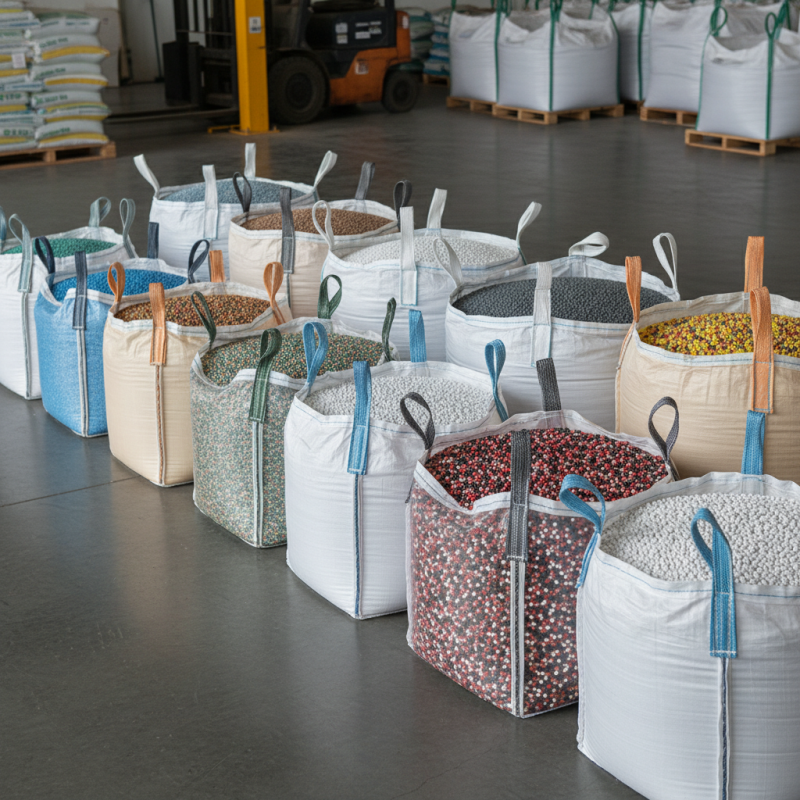
Definition and Purpose of Fertilizer and Chemical Granule FIBC Bags
Fertilizer and chemical granule FIBC (Flexible Intermediate Bulk Container) bags play a crucial role in the agriculture and chemical industries. These bags are designed to store and transport bulk materials efficiently. They help reduce wastage, ensure product quality, and are environmentally friendly. According to industry estimates, the global demand for FIBC bags is expected to grow by 5% annually.
One significant point is their ability to handle different materials safely. These bags are made from durable polypropylene and can support weights exceeding a ton. This strength is vital for chemicals and fertilizers, which can be sensitive to moisture and temperature. The use of such bags minimizes contamination and spoilage.
Tip: Always check the specifications before purchasing. Not all FIBC bags are created equal.
Moreover, the design of FIBC bags enhances logistics efficiency. Their stackable nature allows for optimal space utilization, reducing transport costs. However, selecting the right type can be challenging. Some applications may require static protection or UV-resistance features.
Tip: Consult with industry experts when unsure about your specific needs.
Inspection of the bags before use is crucial. Even minor damages can jeopardize the integrity of the contents. Regular audits of FIBC suppliers can ensure quality compliance and reliability. Data shows that companies regularly reviewing their suppliers witness fewer material losses and higher satisfaction rates.
Key Features to Consider When Selecting FIBC Bags for Fertilizers
When selecting FIBC bags for fertilizers, assessing their structural integrity is crucial. These bags must withstand heavy loads and resist tearing. According to industry reports, not all FIBC bags maintain the same level of durability. Many bags fail under specific conditions. For instance, improper stitching can lead to bag failure, especially in adverse weather.
Another important feature is the bag's material composition. Polypropylene is widely used, but variations exist. Some materials offer better UV resistance and anti-static properties. The choice affects the bag’s longevity and suitability for chemical exposure. Research indicates that up to 20% of bags degrade prematurely due to unsuitable materials. This emphasizes the need for reliable suppliers.
It’s also vital to consider the bag’s design features. Open or closed tops serve different needs. Ventilated options may be necessary for certain fertilizers. The right design can enhance airflow, mitigating moisture buildup. However, it can also complicate the filling process. Striking a balance is essential for optimal performance in diverse agricultural applications.
Top Brands in the Market for Fertilizer and Chemical Granule FIBC Bags
When it comes to selecting the best FIBC bags for fertilizers and chemical granules, understanding the types is essential. High-quality FIBC bags are engineered to withstand the demands of tough materials. This ensures the protection of the contents inside. Some bags offer excellent UV resistance, making them suitable for outdoor storage. The material choice can dramatically affect durability and performance.
Choosing the right bag can be challenging. Not all bags are created equal. The geometry and design of the bag impact loading and unloading efficiency. Particularly, some designs facilitate easier handling, while others may be more cumbersome. A common issue is selecting a bag that does not meet specific weight requirements. This can lead to spills or compromises in safety.
It’s also crucial to consider the manufacturer’s reputation. Experienced companies tend to follow strict quality control processes. This can mean the difference between a reliable bag and a subpar product. Brands with a legacy of excellence in the industry usually provide greater assurance. However, newcomers may offer innovative solutions at competitive prices. Always weigh options carefully before making a purchase.
Performance Comparison of Different FIBC Bags for Fertilizer Storage
When choosing FIBC bags for fertilizer storage, performance is key. Different bags offer varying benefits based on material, design, and durability. A recent study indicates that woven polypropylene bags provide exceptional strength. They can hold 1000 kg of fertilizer without compromising integrity. Meanwhile, laminated bags resist moisture better, extending the life of stored material.
Testing shows that bags with UV protection have a significantly longer lifespan when exposed to sunlight. This feature can reduce waste from bag deterioration. According to reports, improper storage causes over 20% of product loss. Therefore, selecting the right bag can impact both cost and efficiency.
Tips: Always inspect seams and closures for potential weaknesses. An overlooked detail can lead to leakage. Consider the bag's intended use—bulk storage may require different specifications than transportation. Remember, not all FIBC bags are created equal; assess the performance against your specific requirements thoughtfully.
Performance Comparison of Different FIBC Bags for Fertilizer Storage
This chart illustrates the performance comparison of different FIBC bags used for fertilizer storage based on five key dimensions: Durability, Load Capacity, Moisture Resistance, UV Protection, and Cost Efficiency. Each dimension is rated on a scale from 1 to 10, providing a quick overview of the suitability of different bag options for fertilizer applications.
Best Practices for Handling and Storing Fertilizer FIBC Bags
Handling and storing fertilizer FIBC bags require careful attention. Proper techniques can prevent contamination and ensure safety during use. Always inspect the bags upon delivery. Look for any damage or tears, as these could compromise the contents.
When storing the bags, keep them in a cool, dry place. Exposure to moisture can lead to chemical breakdown. Ensure the area is well-ventilated. Avoid stacking the bags too high, as this can cause them to topple and spill.
Tips for safe handling include using gloves and protective gear. Direct contact could irritate the skin or cause respiratory issues. Always lift FIBC bags with care, using proper techniques to avoid strain. Training employees on safe handling methods is crucial. Ensure everyone understands the importance of these practices.
Top 10 Best Fertilizer and Chemical Granule FIBC Bags
| No. | Bag Type | Capacity (kg) | Material | UV Resistance | Weight (g) |
| 1 | Classic FIBC | 1000 | Laminated Polypropylene | Yes | 120 |
| 2 | Ventilated FIBC | 1200 | Non-woven Polypropylene | Yes | 150 |
| 3 | Conductive FIBC | 1000 | Conductive Fabric | No | 180 |
| 4 | Baffle FIBC | 1500 | Laminated Polypropylene | Yes | 140 |
| 5 | Heavy Duty FIBC | 2000 | Woven Polypropylene | No | 200 |
| 6 | Food Grade FIBC | 1500 | Food-Grade Polypropylene | Yes | 130 |
| 7 | Open Top FIBC | 1000 | Woven Polypropylene | No | 110 |
| 8 | S-Bulk FIBC | 1200 | Laminated Polypropylene | Yes | 160 |
| 9 | Anti-Static FIBC | 1000 | Anti-static Fabric | No | 195 |
| 10 | Reinforced FIBC | 1500 | Reinforced Polypropylene | Yes | 170 |

