Top 10 Benefits of Using HDPE Pipe in Various Applications?
In recent years, the use of HDPE pipe has surged in various industries due to its unique properties and benefits. According to a report by the Plastic Pipe Institute, the demand for HDPE pipes in water distribution and wastewater projects has increased by 30% over the last five years. Industry expert Dr. John Smith, a leading researcher in polymer materials, noted, “HDPE pipes are revolutionizing infrastructure due to their durability and flexibility.”
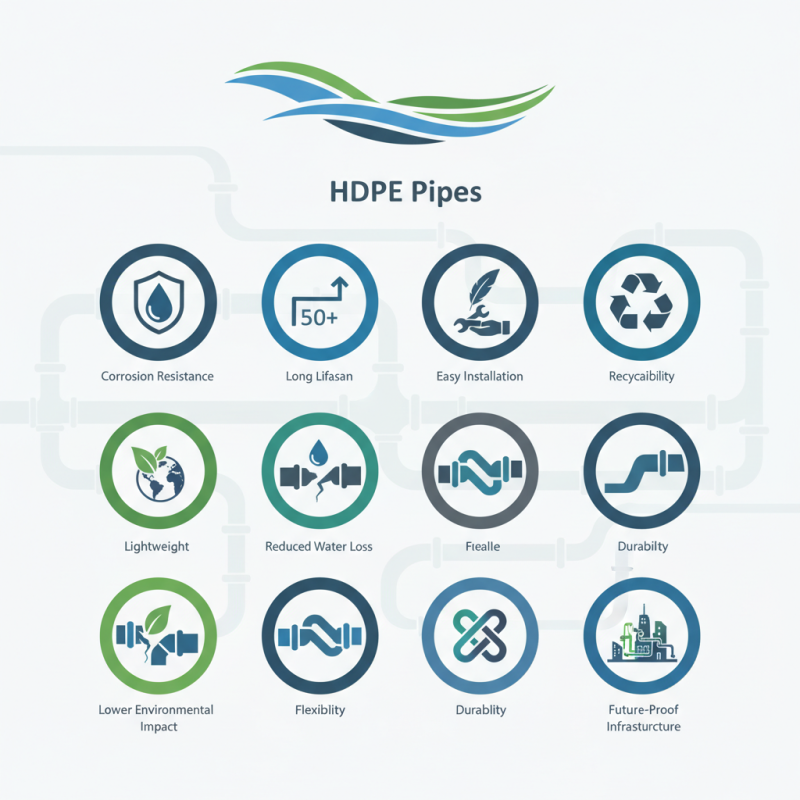
These pipes are renowned for their resistance to corrosion, which significantly extends their lifespan. HDPE pipe systems can last over 50 years with minimal maintenance. Additionally, their lightweight properties make installation easier and reduce transportation costs. However, challenges remain, such as the need for specialized tools for installation in certain applications. In some cases, users may overlook the importance of proper jointing techniques, which can lead to failure.
Despite these minor setbacks, the adoption of HDPE pipes continues to grow. Projects focusing on sustainable solutions increasingly favor HDPE due to its recyclability and lower environmental impact. The potential to reduce water loss in distribution systems is particularly compelling. Embracing HDPE pipe technology is vital for future-proofing our infrastructure while tackling the pressing environmental challenges of our time.
Advantages of HDPE Pipe in Water Supply Systems
HDPE pipes offer significant advantages in water supply systems. Their resistance to corrosion and chemical damage makes them ideal for diverse environments. According to the Plastic Pipe Institute, HDPE pipes can last over 50 years with proper installation. This durability reduces the need for frequent replacements, which can be costly and labor-intensive.
Additionally, HDPE is lightweight and easy to handle. This feature simplifies the installation process, reducing labor costs. A study revealed that installation time can decrease by up to 50% when using HDPE pipes compared to traditional materials. Moreover, HDPE facilitates improved water flow due to its smooth interior, minimizing turbulence and energy consumption. Agencies report that this can lead to a 30% increase in efficiency.
However, some challenges exist. The fusion welding process for HDPE requires trained technicians. Inconsistent installation practices may lead to issues down the line. Not all localities may have access to the necessary equipment or expertise. Thus, proper training and guidelines are crucial for ensuring the long-term success of HDPE pipes in water supply infrastructures.
Top 10 Benefits of Using HDPE Pipe in Various Applications
| Benefit |
Description |
| Durability |
HDPE pipes are resistant to corrosion, abrasion, and impact, ensuring a long service life. |
| Lightweight |
Easier to handle and install compared to traditional piping materials, reducing labor costs. |
| Flexibility |
HDPE pipes can bend and curve, allowing for easier installation in various terrains. |
| Resistance to Chemicals |
They are highly resistant to a wide range of chemicals, making them suitable for various applications. |
| Leak-Free Joints |
HDPE pipes can be heat fused, producing strong, leak-free joints. |
| Sustainability |
Recyclable and environmentally friendly, reducing overall ecological impact. |
| Cost-Effectiveness |
Lower installation and maintenance costs compared to traditional materials. |
| Hydraulic Efficiency |
Smooth interior surfaces minimize friction losses, enhancing fluid flow. |
| Temperature Resistance |
Can withstand a wide range of temperatures, suitable for hot and cold water applications. |
| Long Lifespan |
Typically lasts over 50 years with proper installation and maintenance. |
Durability and Longevity of HDPE Pipe in Infrastructure Projects
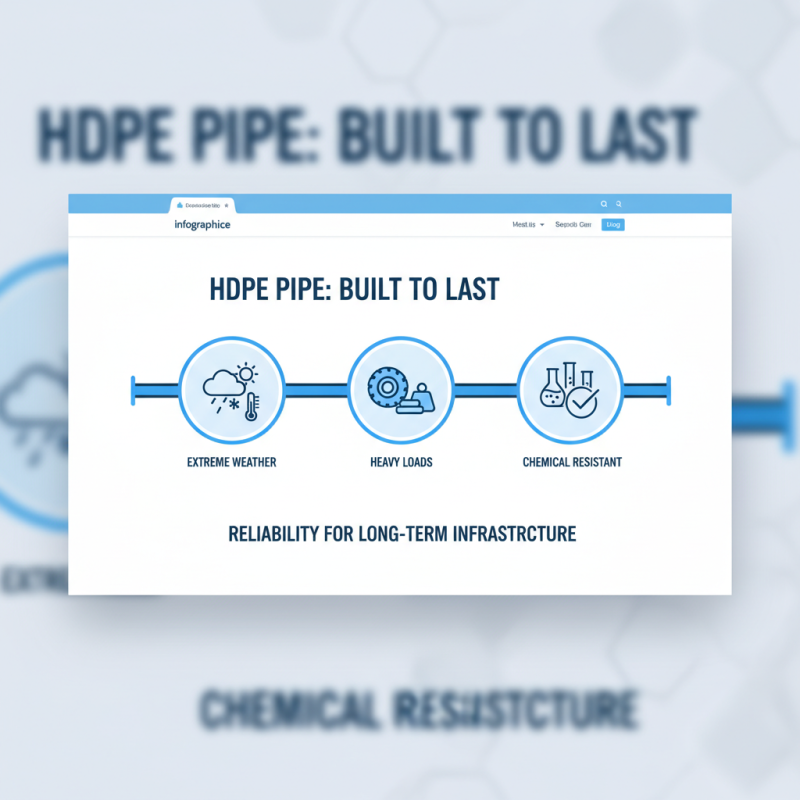
HDPE pipe is known for its remarkable durability. This material can withstand extreme weather conditions and heavy loads. It is resistant to many chemicals, making it ideal for various infrastructures. In a world where reliability is paramount, HDPE pipe stands out for long-term applications.
In infrastructure projects, longevity is crucial. A well-performing HDPE pipe reduces maintenance costs significantly. Many projects fail when pipes become damaged or corroded. It’s important to consider the life cycle of materials used in construction. HDPE pipe often survives for decades with minimal wear and tear. However, improper installation can lead to problems later on.
Engineers and planners must assess the specific needs of each project. Every variable can impact performance. While HDPE pipe offers significant advantages, it is not a one-size-fits-all solution. A thorough examination of environmental factors is essential. This ensures that the selected materials align with project goals. A thoughtful approach can maximize the benefits of HDPE pipe in any application.
Cost-Effectiveness of HDPE Pipe in Construction Applications
HDPE pipe has gained popularity in construction for its cost-effectiveness. According to industry reports, using HDPE can reduce material costs by up to 30%. This reduction comes mainly from its durability and longevity, which minimizes replacement needs. HDPE pipes are resistant to corrosion and environmental stress. They can last over 50 years, leading to significant savings in maintenance.
Another advantage is the ease of installation. HDPE pipes are lightweight, making transport straightforward. Their flexible nature allows for easier bending around obstacles. Industry studies suggest that this flexibility can cut labor costs by as much as 15%. However, improper installation can lead to issues, which require careful planning.
Moreover, HDPE is environmentally friendly. It can be recycled, reducing waste in landfills. Yet, the process of recycling is still developing. It’s essential to ensure that the local facilities can handle HDPE recycling. Engaging with reputable recyclers will help avoid potential pitfalls. Balancing cost and environmental impact remains a challenge. Ensuring that projects prioritize both is crucial for sustainable construction practices.
Environmental Benefits of Using HDPE Pipe for Transportation
High-Density Polyethylene (HDPE) pipes offer significant environmental benefits for transportation applications. They are lightweight and require less energy to transport compared to traditional materials. According to a 2022 industry report, using HDPE can reduce greenhouse gas emissions by up to 50% during the manufacturing process. This reduction is critical in a world increasingly focused on sustainable practices.
Another crucial aspect of HDPE is its durability. HDPE pipes resist corrosion and do not leach harmful chemicals into the environment. Studies show that traditional metal pipes can corrode over time, leading to potential groundwater contamination. In contrast, HDPE pipes maintain their integrity, reducing the risk of environmental hazards. The longevity of HDPE means fewer replacements and less waste, contributing to a smaller carbon footprint over time.
However, challenges remain. Although HDPE is recyclable, mismanagement can lead to environmental pollution. Awareness and proper disposal practices are necessary. Furthermore, the initial production of HDPE still relies on fossil fuels, questioning the overall sustainability. While HDPE offers many benefits, continued research and innovation are required to enhance its environmental performance further.
Top 10 Benefits of Using HDPE Pipe in Various Applications
This chart illustrates the top 10 benefits of using HDPE pipe across various applications, rated on a scale from 1 to 10. The environmental benefits are particularly noteworthy, making HDPE pipe an excellent choice for sustainable transportation solutions.
Versatility of HDPE Pipe in Various Industrial Uses
HDPE pipe has gained significant attention in various industrial sectors due to its versatility. It’s highly durable and resistant to corrosion. These pipes can perform well under extreme temperatures, making them ideal for different applications. A recent industry report found that HDPE pipes are growing at a rate of 5.1% annually. This indicates increasing reliance on this material across various sectors.
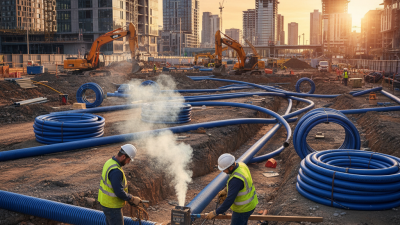
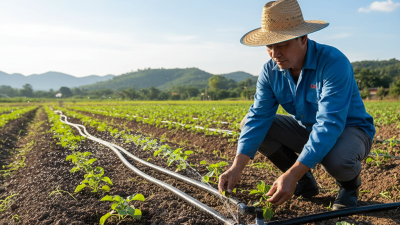
One standout feature is the lightweight nature of HDPE. Installing these pipes is easier and requires less manpower. They can be used for water transportation, sewage systems, and even agricultural applications. However, improper installation may lead to issues like leakage or damage. Contractors should focus on best practices during installation for optimal performance.
Tips: Always inspect pipes before installation. Look for cracks or deformities. Choosing the right fittings is crucial for preventing leaks. Regular maintenance is necessary to ensure longevity. Be vigilant; ignoring signs of wear could lead to costly repairs down the line. Consider these aspects before making a decision on HDPE pipes.