Top Benefits of Using Poly Pipe in 2025 Gardening and Irrigation Systems
In the ever-evolving field of gardening and irrigation, the utilization of poly pipe has emerged as a game-changer, particularly as we head into 2025. Poly pipe's lightweight nature and resistance to corrosion make it an ideal choice for both amateur gardeners and professional landscapers. According to a recent report by the International Irrigation Association, the adoption of innovative materials like poly pipe has increased by over 40% in the last five years, a trend that is expected to continue as sustainability becomes a priority in agricultural practices.
Expert in irrigation technology, Dr. Emily Carter, asserts, "The future of irrigation lies in the efficiency of materials we choose, and poly pipe is leading the way due to its durability and flexibility." This sentiment is echoed by many in the industry who recognize how poly pipe contributes to water conservation efforts, enabling more precise irrigation methods that reduce waste. As we embrace these advancements, understanding the myriad benefits of poly pipe will be crucial for anyone looking to optimize their gardening and irrigation systems in the coming years.

Benefits of Poly Pipe over Traditional Materials in 2025 Gardening
The use of poly pipe in gardening and irrigation systems has gained popularity in 2025, primarily due to its superior advantages over traditional materials. Unlike metal or PVC pipes, poly pipes are lightweight, making them easier to handle and install. This ease of use not only reduces labor costs but also minimizes the risk of injury during installation. Additionally, poly pipes are resistant to corrosion and chemical damage, ensuring a longer lifespan with less maintenance required. This durability translates into savings for gardeners and landscapers alike, as they spend less time and money on repairs and replacements.
Another significant benefit of poly pipe is its flexibility, allowing it to easily adapt to various garden layouts and contours. This characteristic makes it ideal for curved spaces and intricate irrigation setups, providing consistent water distribution even in challenging environments. Moreover, poly pipe's ability to expand and contract with temperature changes reduces the risk of cracking, a common issue with rigid materials. As water conservation becomes increasingly important, the efficient flow characteristics of poly pipes enhance water delivery to plants, leading to healthier gardens and reduced overall usage.
Top Benefits of Using Poly Pipe in 2025 Gardening and Irrigation Systems
| Benefit |
Description |
Comparison with Traditional Materials |
| Lightweight |
Poly pipes are significantly lighter, making transportation and installation easier. |
Traditional materials like PVC are much heavier, requiring more labor during handling. |
| Flexibility |
They can easily conform to different shapes and layouts. |
Rigid piping systems can crack or break under certain conditions. |
| Corrosion Resistance |
Poly pipes do not rust or corrode over time. |
Metal pipes are prone to corrosion, leading to potential leaks. |
| Durability |
Can withstand extreme weather conditions and UV exposure. |
Traditional materials may degrade quicker under similar conditions. |
| Cost-Effective |
Lower overall costs due to reduced installation time and fewer repairs. |
Higher maintenance and repair costs with traditional systems. |
Water Efficiency Improvements with Poly Pipe in Irrigation Systems
In the realm of gardening and irrigation, the use of poly pipe has emerged as a pivotal development in enhancing water efficiency. As we look toward 2025, poly pipe systems offer a range of benefits that significantly reduce water wastage. With their smooth internal structure, poly pipes minimize friction, ensuring that water flows more freely and with less resistance. This efficiency is crucial for irrigation systems, allowing gardeners to deliver water directly to the root zones of plants, where it is most needed. This targeted approach not only conserves water but also enhances plant health and growth, making poly pipe an invaluable tool for modern irrigation.
Moreover, the durability of poly pipe contributes to its water efficiency advantages. Resistant to corrosion and degradation, these pipes can withstand the tests of time and environmental stressors, reducing the need for frequent replacements and repairs. This reliability allows for consistent water delivery, which is vital for maintaining optimal soil moisture levels. Additionally, the flexibility of poly pipe enables easy installation and customization of irrigation layouts, adapting to the specific needs of each garden. As water conservation becomes increasingly important in the face of climate change, adopting poly pipe technology will be essential for sustainable gardening practices and efficient irrigation in the years to come.
Cost-Effectiveness of Poly Pipe in Long-Term Agricultural Practices
The long-term cost-effectiveness of poly pipe in agricultural practices is becoming increasingly evident in the context of modern gardening and irrigation systems.
Polyethylene pipes, known for their durability and flexibility, significantly reduce water wastage due to their ability to withstand various environmental conditions without degrading. Unlike traditional materials, poly pipes remain intact over many years, minimizing the need for costly replacements. This longevity translates into lower overall maintenance costs, making them a sound investment for farmers and gardeners alike.
Moreover, poly pipe systems can be tailored for efficiency, allowing for precise water delivery directly to the root zones of plants. This targeted irrigation method not only conserves water but also enhances crop yields, leading to higher productivity and profitability in agricultural practices. With the rising costs of water and increasing awareness of sustainable farming practices, poly pipes offer a solution that helps in managing expenses while promoting healthier plants. Their lightweight nature also facilitates easy installation, reducing labor costs and enabling more widespread adoption in diverse agricultural settings.
Durability and Longevity of Poly Pipe for Outdoor Use in 2025
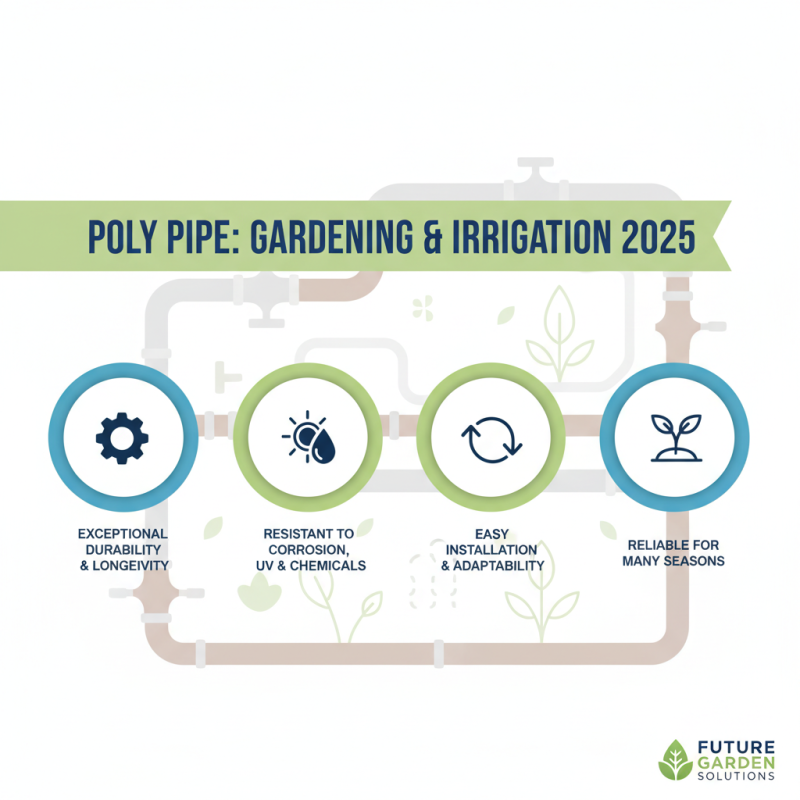
When it comes to gardening and irrigation systems in 2025, poly pipe stands out for its exceptional durability and longevity. Designed to withstand harsh outdoor conditions, poly pipe is resistant to corrosion, UV light, and chemical exposure. This makes it an ideal choice for gardeners who want a reliable solution that will last for many seasons. Its flexibility also allows for easy installation and adaptation to various garden layouts, ensuring that your watering systems can meet the evolving needs of your plants.
Tips for maximizing the lifespan of your poly pipe include regular inspections for signs of wear, avoiding sharp bends that can stress the material, and using appropriate fittings to prevent leaks. Additionally, ensure that the pipe is buried at a proper depth to shield it from potential damage caused by surface activity. By taking these preventive measures, gardeners can enjoy the benefits of poly pipe well into the future.
Another advantage of poly pipe is its lightweight nature, making transportation and handling straightforward. This can save time and labor when setting up new irrigation systems. Moreover, poly pipe can be easily cut and joined, allowing for modifications as your gardening needs change over time. By integrating these practices, you can enhance the efficiency and effectiveness of your irrigation while ensuring the sustainability of your garden's water supply.
Environmental Impact Reduction through Poly Pipe Usage in Gardening
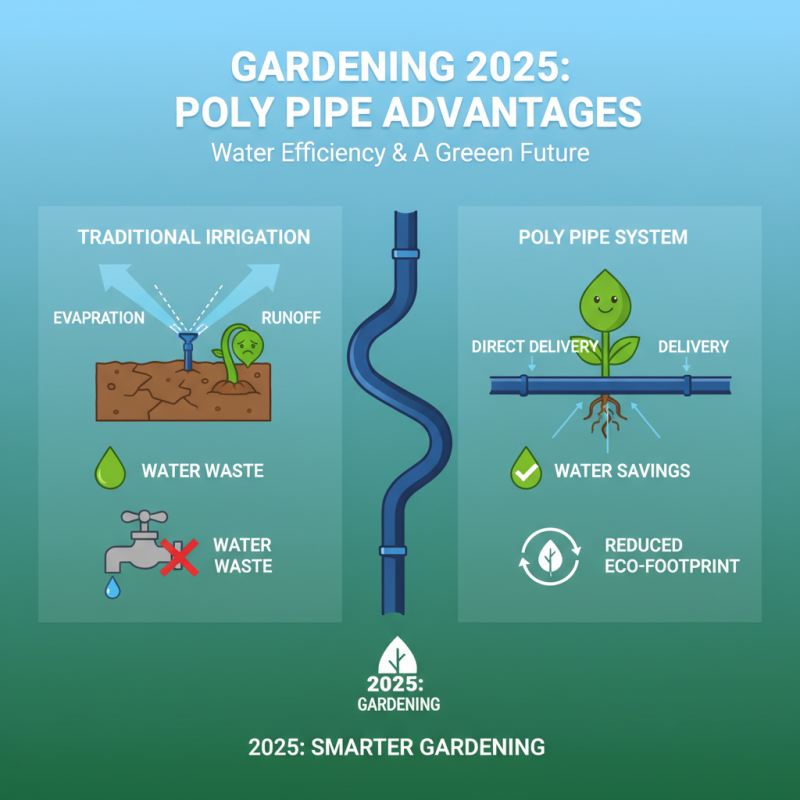
The integration of poly pipe in gardening and irrigation systems offers significant environmental benefits, particularly as we look to the year 2025. One of the primary advantages of using poly pipes is their enhanced efficiency in water delivery. Unlike traditional irrigation methods that often waste water through evaporation or runoff, poly pipes facilitate a direct delivery system to the roots of plants. This not only conserves water but also minimizes the environmental footprint associated with overwatering and the unnecessary use of freshwater resources.
Furthermore, poly pipes are typically made from recyclable materials, contributing to a reduction in plastic waste. As more gardeners and farmers adopt sustainable practices, utilizing poly pipe encourages a circular economy where materials can be reused rather than discarded. This approach not only supports reducing landfill contributions but also promotes responsible consumption. By opting for poly pipes, the gardening community can play a pivotal role in fostering environmentally friendly practices that align with global sustainability goals.